Frequently Asked Questions
Is there child labor on fair trade certified cocoa farms?
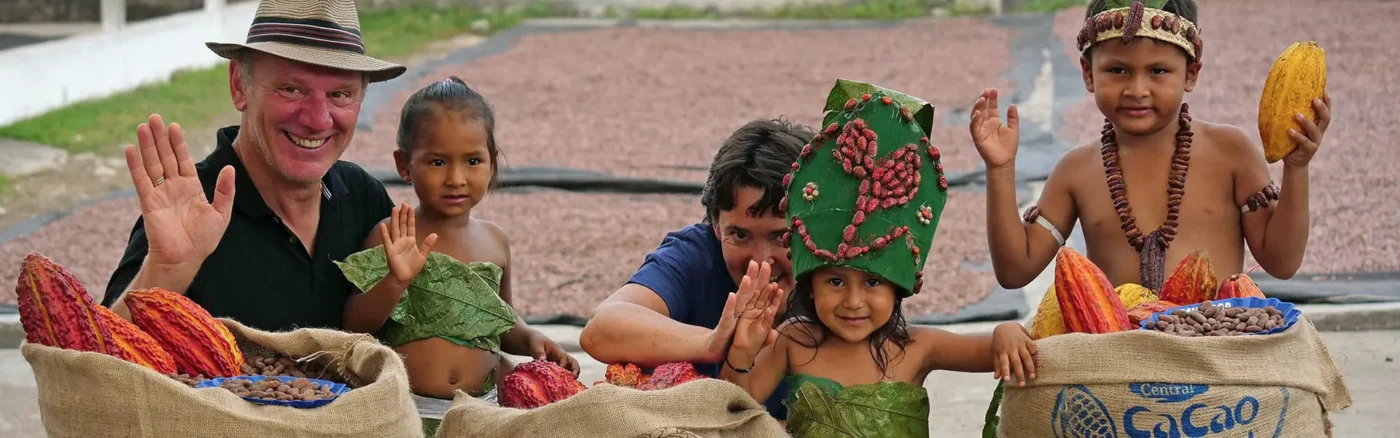
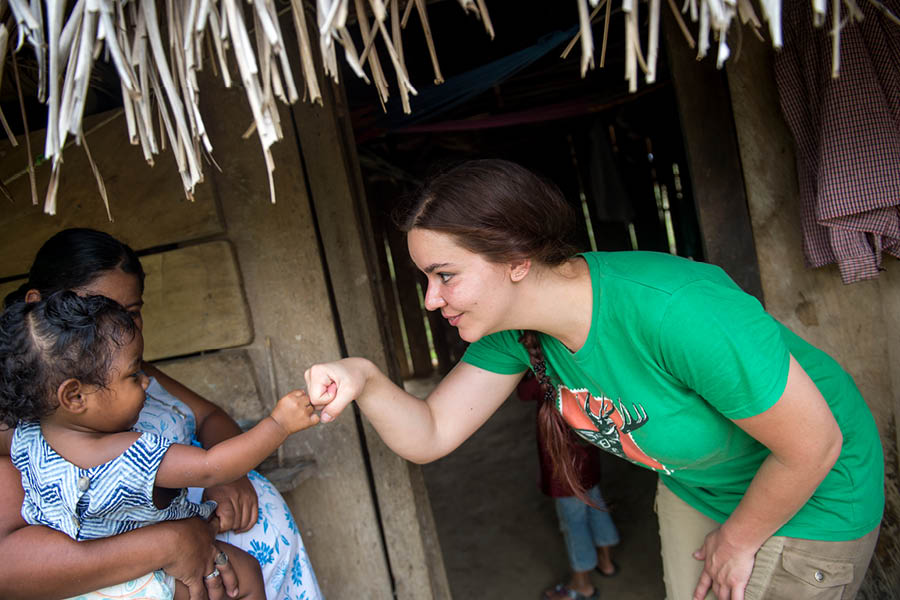
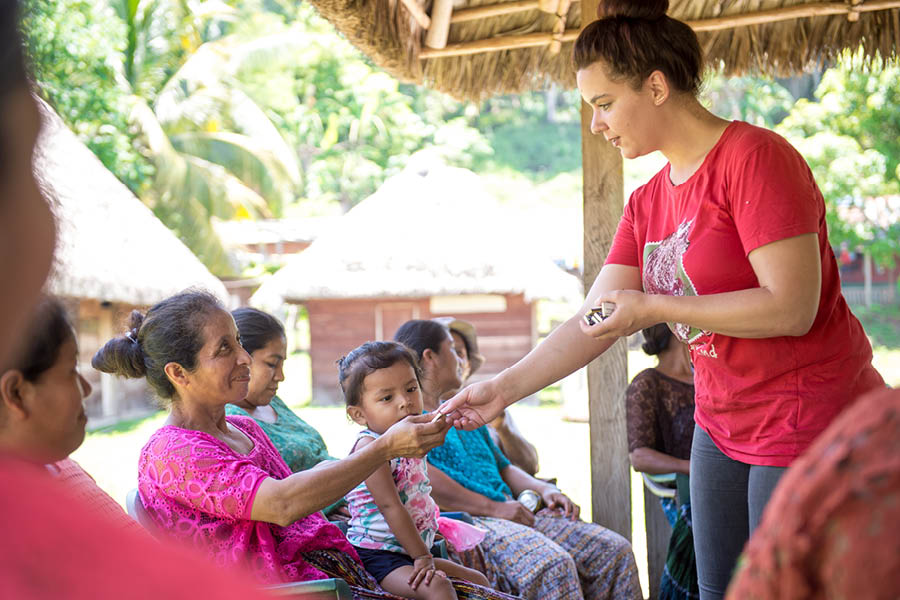
No. Child labor is strictly prohibited under fair trade guidelines and is continuously monitored. What you may occasionally see is children present on family farms in rural areas where there is no childcare available, or older children accompanying parents to learn about farming. Children may be present, but they are not permitted to work. The fair trade premium is also frequently invested in building schools and childcare facilities to ensure education and childcare are available to farming communities.
How does Zotter verify fair trade compliance?
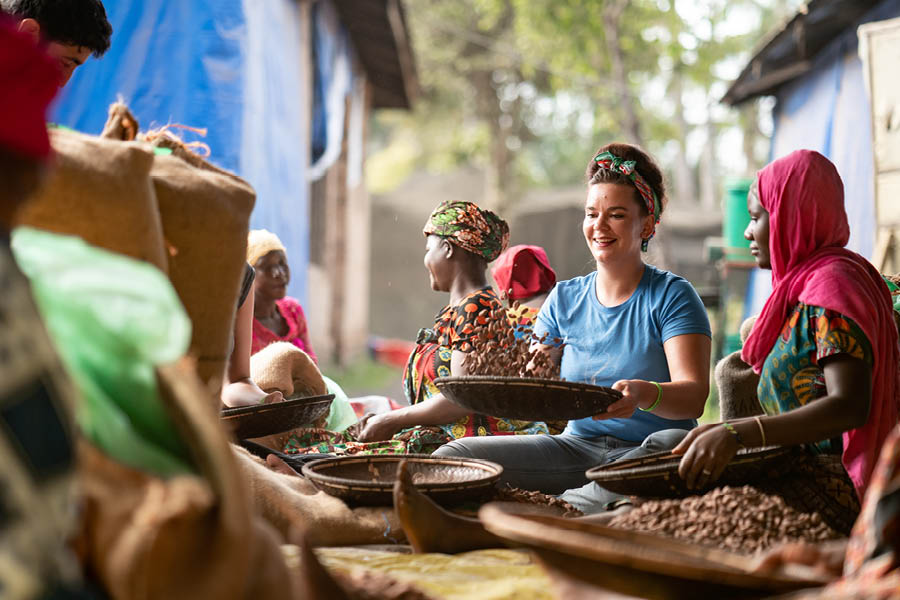
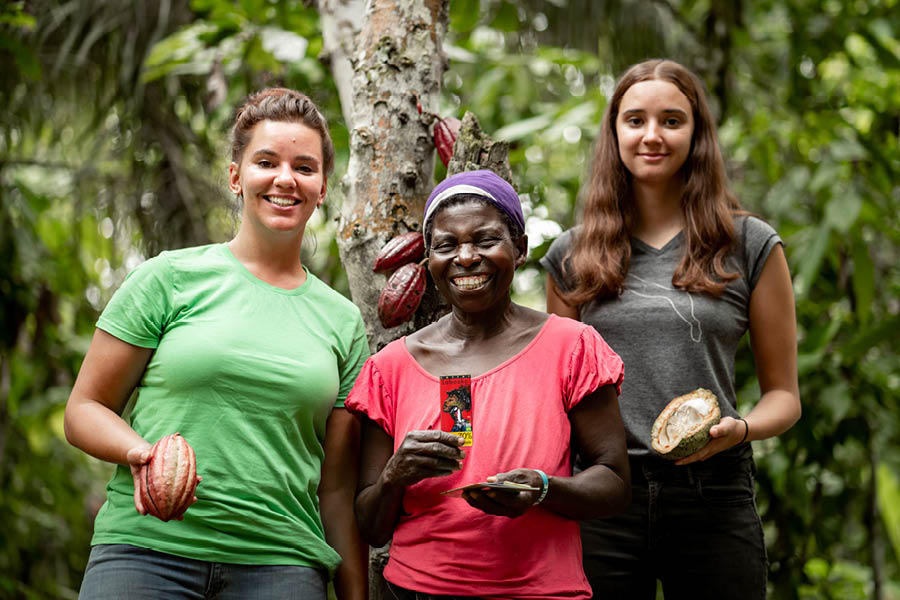
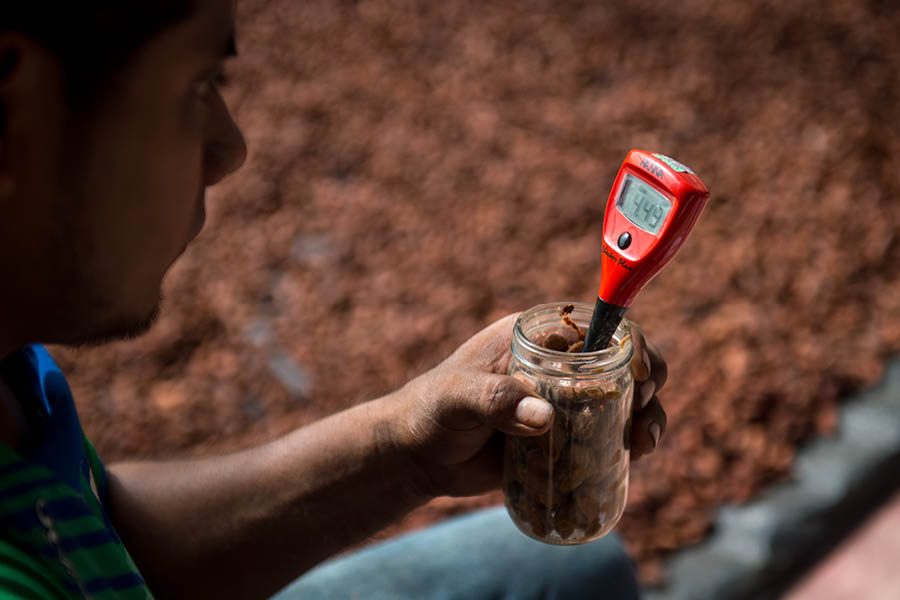
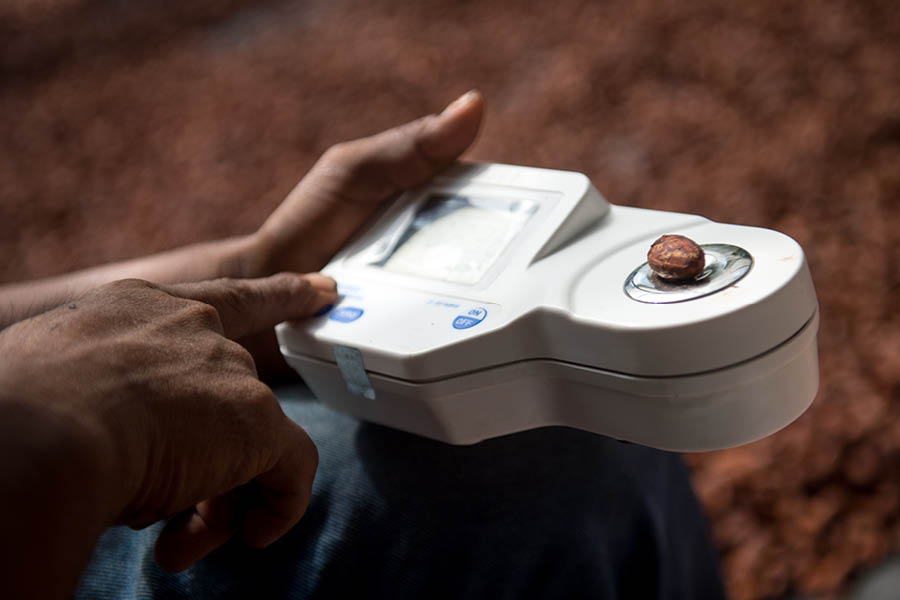
By reviewing certifications. Fair trade cocoa cannot be verified visually or sensorically, so Zotter relies on the certification systems in place, specifically FLO/FLOCERT, which it considers the strictest in the industry because it is based on verified facts rather than declarations of intent. Zotter also conducts regular visits to cocoa-growing regions, because personal relationships and direct observation matter.
What does Zotter pay for cocoa?
Zotter pays the current world market price plus a quality premium, plus an organic premium, plus a fair trade premium. Cocoa prices have been highly volatile in recent years. The world market price for conventional cocoa sat above USD 2,000 per tonne for many years, climbed to nearly USD 12,000 per tonne at its peak, and currently moves around USD 6,000 per tonne. Zotter pays between USD 4,000 and USD 7,000 per tonne for premium organic quality, which is a multiple of the world market price and well above the standard for organic and fair trade cocoa.
Do the higher cocoa prices reach the farmers?
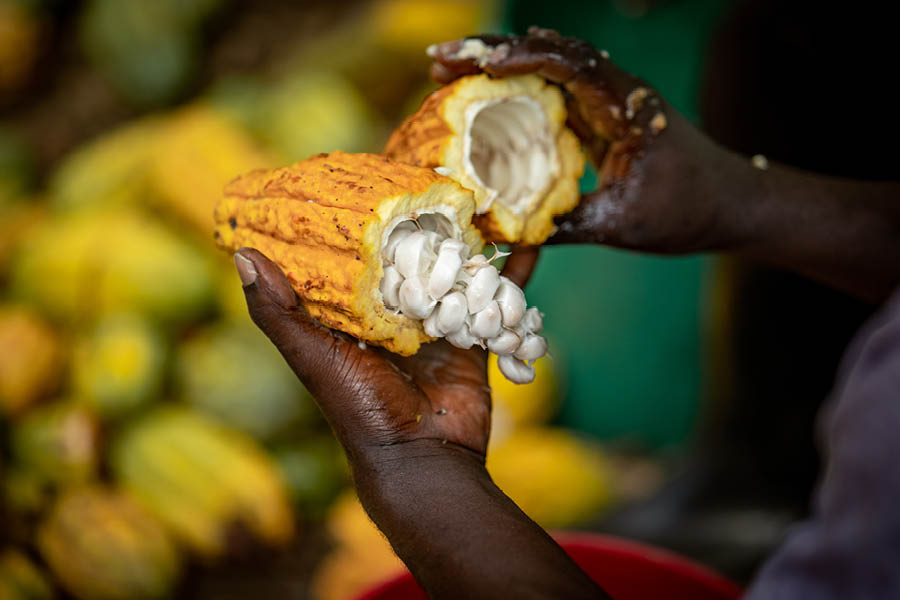
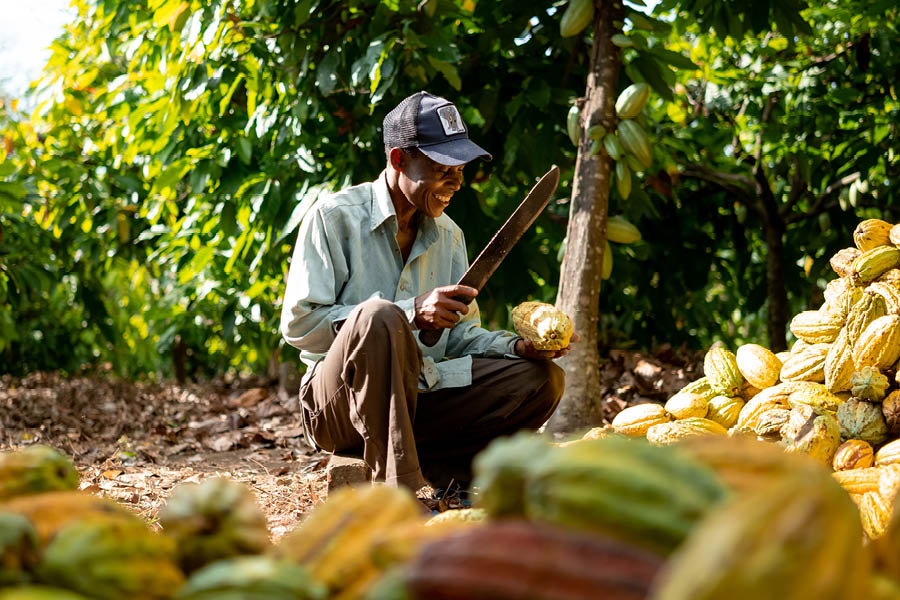
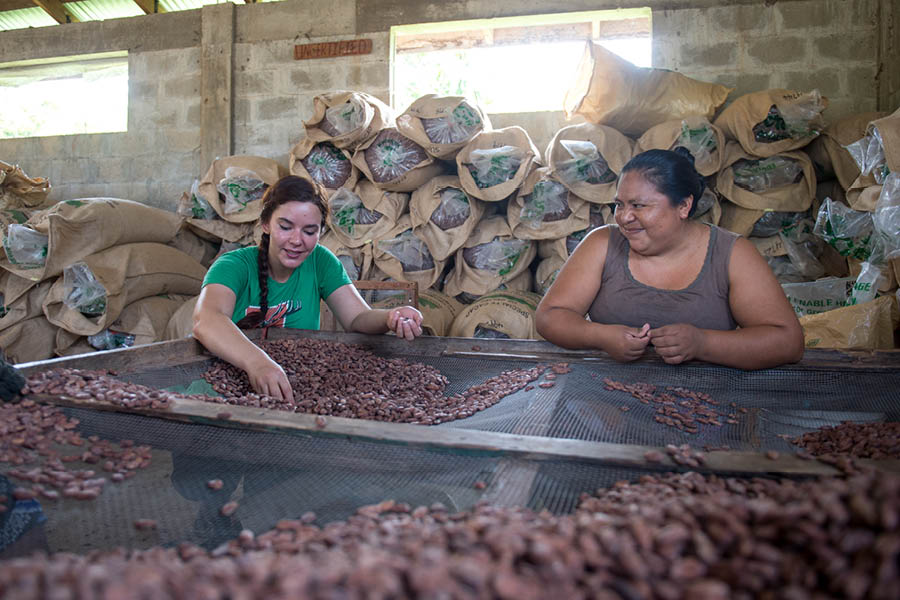
In Zotter’s case, yes. Cocoa farmers in the fair trade system own their land and their trees, which gives them independence. They are organized in cooperatives that have been trained to understand current world market prices so they are not disadvantaged in negotiations. The individual farmer sells unfermented wet cocoa to the cooperative, which processes, certifies, and sells the dried cocoa on the world market. The farmer receives a price based on quality and timing of harvest. The current high prices do benefit farmers, and allow them to reinvest in their farms.
Does Zotter operate its own plantations?
No. Zotter does not own or manage any plantations. This is a deliberate choice: remaining free from plantation ownership allows Zotter to maintain independence in quality assurance and sourcing decisions.
Does Zotter buy cocoa directly from cooperatives?
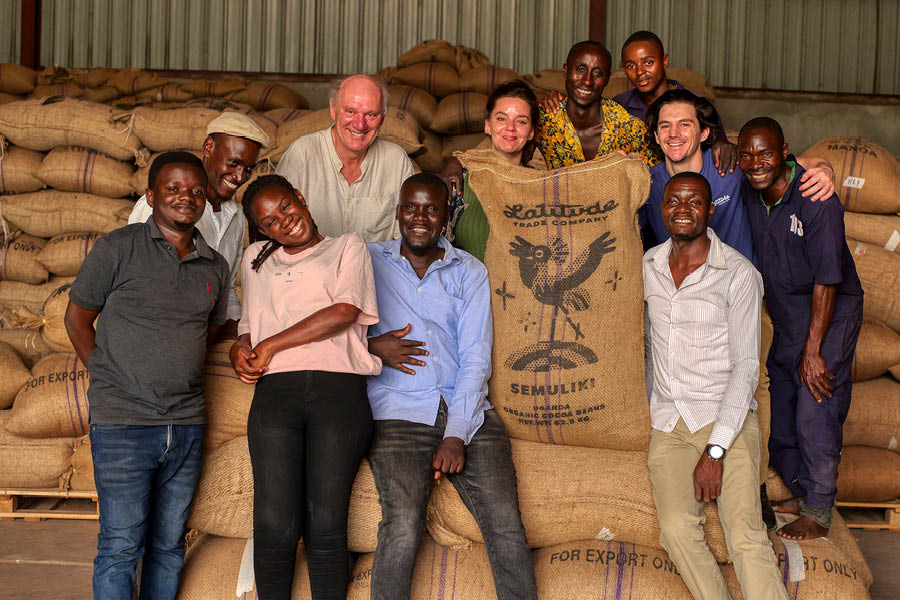
Yes, when the order fills a full container (approximately 20 tonnes). For smaller quantities, Zotter works through an import company that handles logistics, conducts quality control on site, and manages documentation.
What happens if there are irregularities in a cooperative?
The issue is raised immediately. Orders are suspended, the cooperative is placed on a waiting list, and a special audit is conducted by the certification body. The cooperation only resumes once the cooperative can demonstrate that internal controls are functioning again. Persistent problems result in the end of the partnership.
Why is Zotter chocolate more expensive than most other chocolate?
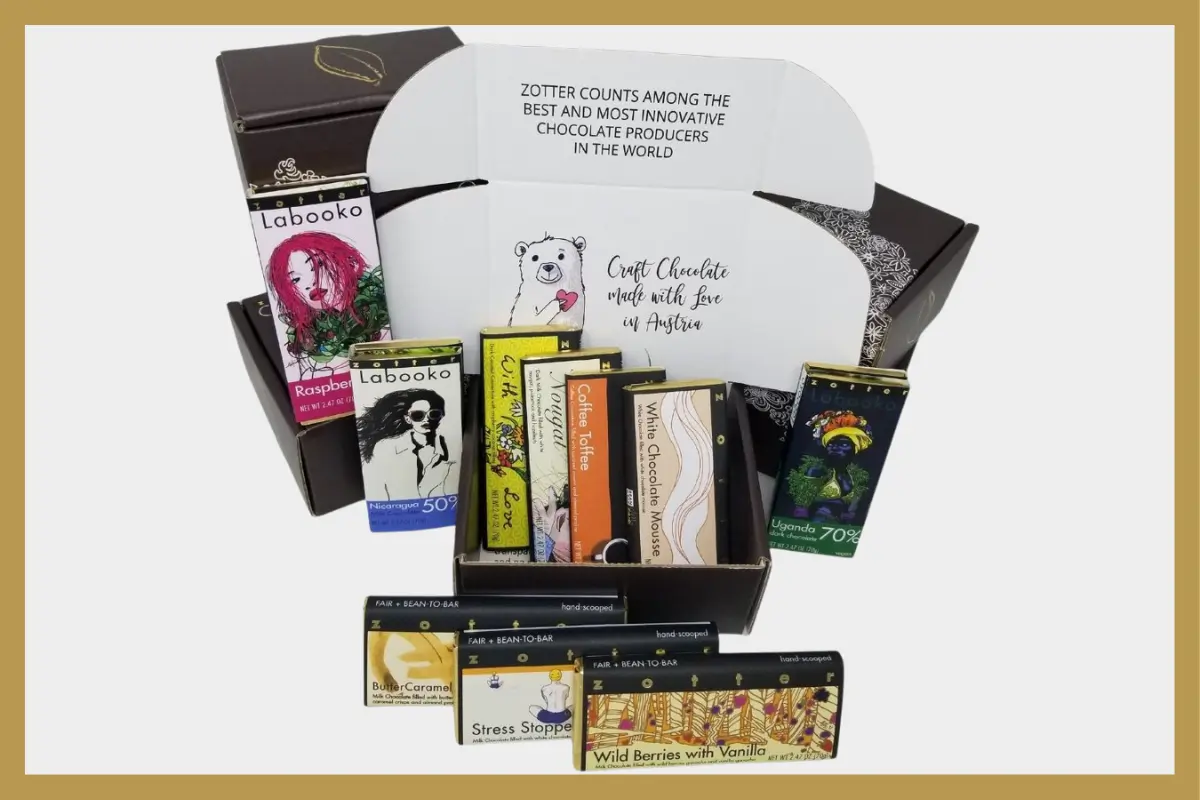
Because quality, fair sourcing, and transparency all have a cost. Zotter processes only organic raw materials, and all ingredients from the Global South are fair trade verified. Chocolate is made in Austria under Austrian labor conditions, with employees who receive well above collective wage rates, organic meals provided by the company, and free childcare during school holidays. Zotter pays quality premiums, organic premiums, and fair trade premiums to its suppliers, often amounting to twice the world market price. Zotter pays taxes in Austria. And Zotter’s hand-crafted chocolates require a level of skilled labor that no machine can replicate. All of this is reflected in the price, and we believe it is worth it.
Is a fair trade certification 100% secure?
No. No certification system is perfect, and Zotter is honest about that. In less developed countries, corruption and inconsistency exist. That is precisely why Zotter invests in long-term relationships, direct visits to growing regions, and the strictest available certification framework, rather than relying on paperwork alone. The alternative, doing nothing and having no oversight at all, is far worse.
Why do large corporations keep announcing fair trade commitments that never seem to materialize?
Because it is easy to say you intend to change without actually changing. As Zotter puts it: similar to the climate debate. Declarations of intent are not enough. The entire cocoa industry needs to pay fair prices and invest in education and infrastructure so that real change can happen. Zotter will continue to push for this.
For more on the World Fair Trade Organization, visit www.wfto.com.
All our products containing dairy do not carry the USDA Organic Seal, as there is an exemption in the organic equivalency agreement between the U.S. and the EU regarding the use of antibiotics in dairy production. Our products are 100% organic certified under EU standards. All vegan, dairy-free products are also 100% USDA organic certified. Each product page includes detailed ingredient information.