
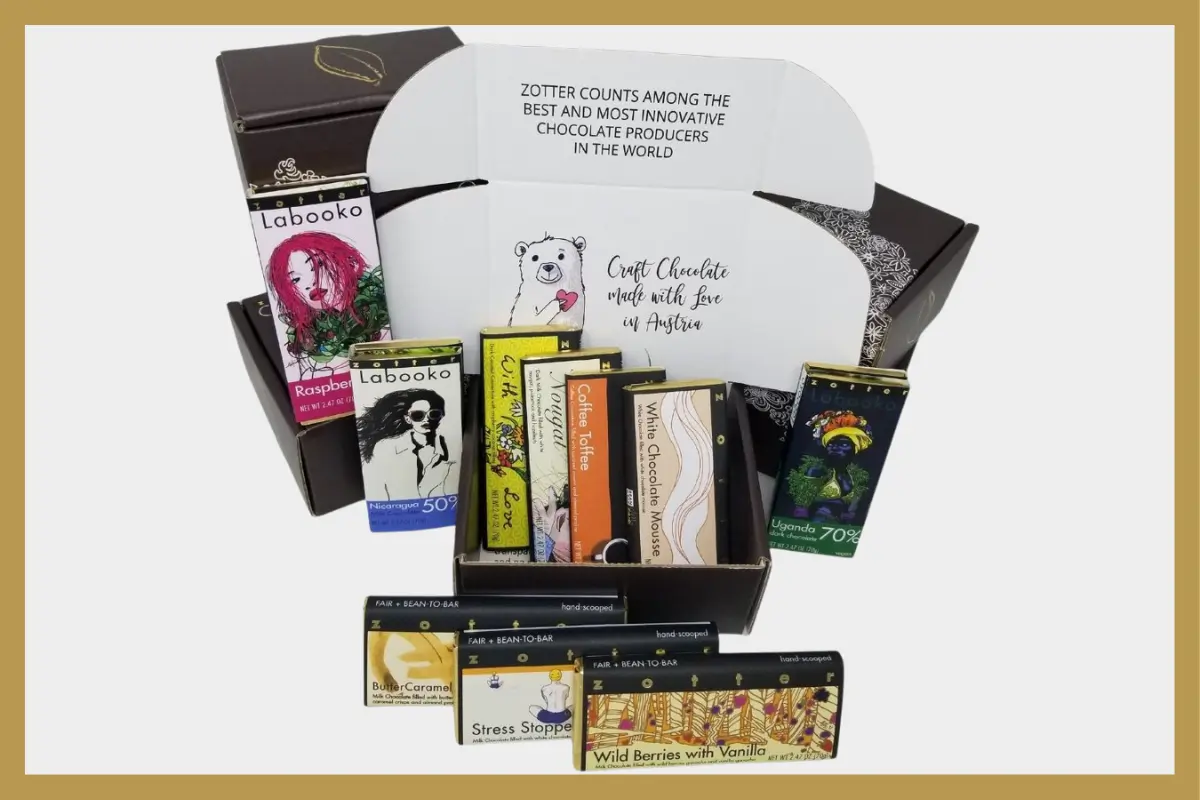
The difference often starts before the wrapper comes off. Organic fair trade chocolate tends to attract buyers for ethical reasons first, then keeps them coming back because the flavor is simply more interesting. Not automatically better in every case, and not by certification alone, but often more layered, more expressive, and more worth savoring than the anonymous sweetness of mass-market bars.
That comes down to a chain of decisions. How cacao is grown. How farmers are paid. How beans are fermented and dried. How carefully a chocolate maker roasts, grinds, conches, and balances every ingredient. If even one of those steps is treated as an afterthought, the result can taste flat no matter how elegant the packaging looks.
What organic fair trade chocolate really means
The phrase gets used often, but the two standards point to different things. Organic speaks to how ingredients are grown and handled. It usually means cacao is cultivated without synthetic pesticides and fertilizers, and that the supply chain follows tightly controlled processing standards. Fair trade addresses the human side – pricing, trading practices, and greater accountability in how cocoa is sourced.
Neither term is a shortcut to greatness. You can still find organic chocolate that tastes dull, and fair trade bars that lean too heavily on sugar. But when both principles are taken seriously, they create better conditions for better chocolate. Healthier soils can support stronger cacao cultivation over time. Fairer compensation can give farmers more stability, which can improve harvesting and post-harvest quality. Premium chocolate begins with raw material, and raw material begins at origin.
For shoppers, this matters because chocolate is unusually sensitive to small differences. A cocoa bean from one region may carry notes of red fruit and citrus, while another leans nutty, earthy, or deeply fudgy. Those flavor distinctions do not survive careless sourcing. They show up when makers respect the ingredient enough to preserve what is already there.
Why sourcing changes flavor
The easiest way to think about it is this: chocolate can only be as distinctive as the cacao behind it. Commodity cocoa is often blended for consistency. That makes sense for large-scale production, where the goal is to deliver the same familiar taste every time. But consistency and complexity are not the same thing.
Organic fair trade chocolate is often associated with smaller-batch production, more traceable origins, and a stronger focus on bean quality. That does not guarantee brilliance, but it creates room for it. Better beans give makers more to work with. You start to taste character instead of just sweetness, bitterness, or vanilla.
This is where premium bean-to-bar craftsmanship becomes more than a marketing phrase. A skilled chocolate maker knows when to highlight a cacao’s natural acidity and when to soften it. They know that a high cacao percentage is not impressive if the bar feels harsh or one-dimensional. They know texture matters just as much as flavor. The snap, the melt, the aromatic finish – these details separate a high-end bar from a merely expensive one.
Organic ingredients matter beyond the cacao
When people talk about chocolate quality, they often focus only on cocoa beans. Fair enough, but the supporting ingredients shape the final experience too. Sugar, milk powder, nuts, fruit, spices, coffee, and fillings all contribute to whether a bar tastes polished or muddled.
Organic standards can be especially meaningful in flavored and filled chocolate, where ingredient lists become more complex. If a bar includes raspberry, coconut, pumpkin seeds, coffee, or caramel, each component has its own impact on flavor purity. Cleaner sourcing does not mean a bar will taste austere. In fact, quite the opposite. It can make bold flavors feel more vivid and less artificially loud.
This is one reason adventurous premium chocolate works so well in the organic category. Unusual combinations only succeed when the ingredients feel intentional. A playful flavor idea is easy. Executing it with elegance is harder.
Fair trade is about quality as much as ethics
There is a tendency to treat ethics and indulgence as separate categories, as if choosing responsibly means accepting less pleasure. In fine chocolate, that logic falls apart quickly.
Fair trade supports a more stable relationship between growers and buyers. That matters morally, of course, but it also matters sensorially. Farmers who are under relentless price pressure are less able to invest in quality-focused practices. Fermentation boxes, drying beds, labor, sorting, and storage all affect flavor. So does the ability to reject damaged beans rather than move everything through the system out of necessity.
A premium bar asks you to taste what happened long before production. If the sourcing model values only volume, the chocolate usually reflects that. If the sourcing model rewards care, nuance has a better chance to survive.
That said, fair trade is not the only ethical framework in chocolate. Some makers go beyond certification through direct sourcing relationships or origin-specific programs. For shoppers, the useful question is not which label sounds nicest. It is whether the brand can explain how it buys, why it buys that way, and how those choices show up in the final bar.
How to shop for organic fair trade chocolate with confidence
A beautiful wrapper can signal premium quality, but it cannot prove it. The better clues are usually more specific.
Start with the ingredient list. Fewer ingredients are not always better, especially in filled bars, but every ingredient should feel purposeful. If the bar is dark chocolate, cacao should lead the list. If it includes flavor additions, they should sound like real foods rather than vague flavor systems.
Next, look for information about origin and production style. Single-origin and bean-to-bar terms can be meaningful when a maker actually explains them. Transparency is a good sign. So is clarity about certifications rather than loose ethical language.
Then consider the maker’s range. Brands that work seriously with organic fair trade chocolate often show that commitment across categories, not just in one token product. You may see pure origin bars, filled chocolates, vegan options, drinking chocolate, and seasonal releases built around the same sourcing philosophy. That breadth suggests the ethics are part of the house style, not an afterthought.
If you are new to the category, start wide instead of narrow. A discovery set is often a smarter entry point than betting everything on one high-cacao bar. It lets you compare percentages, origins, textures, and flavor profiles without turning the experience into guesswork. For shoppers who want a premium introduction with real personality, Zotter USA offers exactly that kind of curated path at zotterusa.com.
The trade-offs are real
Organic fair trade chocolate usually costs more. That is the most obvious trade-off, and it is not trivial. Premium sourcing, careful production, and specialty ingredients all affect price. If you are used to supermarket chocolate, the difference can feel dramatic.
Flavor can also be more challenging, which is not a flaw but a preference issue. Some bars have brighter acidity, stronger cacao notes, less sugar, or more unusual inclusions than mainstream chocolate buyers expect. Not everyone wants every chocolate experience to feel like a tasting session.
And certifications, while helpful, are not magic shields. Some exceptional makers work within formal systems. Others build equally serious sourcing models outside them. A thoughtful shopper stays curious rather than assuming one seal settles the question.
Why this category keeps growing
People are not just buying chocolate for a sugar fix anymore. They are buying it the way they buy wine, coffee, olive oil, or cheese – as a product with origin, craft, and story. Organic fair trade chocolate fits that shift naturally because it gives buyers more than one reason to care.
It offers pleasure with context. You can appreciate the snap of a dark bar, the creaminess of a filled praline, or the surprise of an unexpected flavor combination while also knowing the sourcing standards are part of the product’s value, not decoration around it.
That combination is especially compelling in gifting. Premium chocolate already feels celebratory. When it also reflects craftsmanship and conscience, it becomes more memorable. It feels chosen, not grabbed at the last minute.
The best bars do not ask you to compromise between ethics and indulgence. They make the case that great chocolate should be both exquisite and responsibly made. Once you taste that difference, it becomes much harder to settle for chocolate that says very little at all.