
A vegan chocolate bar can be forgettable, flat, and overly sweet – or it can be layered, polished, and genuinely luxurious. The difference is rarely the word vegan. It comes down to how the bar is made. The best vegan artisan chocolate bars are not trying to imitate ordinary milk chocolate. They are built from the ground up to showcase cacao, texture, and flavor with intention.
That distinction matters more than ever. Premium chocolate buyers are no longer choosing between ethics and indulgence, or between dietary preferences and craftsmanship. They want bars with character. They want ingredient lists that read cleanly, sourcing that holds up to scrutiny, and flavor combinations that feel imaginative rather than gimmicky. In the artisan category, vegan chocolate has matured into something far more exciting than a substitute.
What defines vegan artisan chocolate bars
At a basic level, vegan artisan chocolate bars are made without dairy or other animal-derived ingredients. But that only explains what is missing. The artisan part is what gives the category its appeal.
An artisan bar is shaped by decisions that mass-market chocolate usually avoids. Cacao origin is selected for flavor, not just for cost. Roasting is calibrated to preserve nuance. Texture is considered part of the tasting experience, whether the finish is silky and clean or intentionally rustic. Fillings, inclusions, and sweeteners are chosen because they contribute something distinct.
Bean-to-bar production often plays a role here, though not every artisan maker works the same way. Some control the process from sourcing and roasting through conching and molding. Others focus on highly specialized filled bars, hand-finished layers, or unusual recipe development. What they share is a commitment to taste as a crafted experience.
That is why a great vegan bar should never feel like a compromise. It should feel specific.
Why vegan chocolate can taste more expressive
When dairy leaves the recipe, cacao has more room to speak. That can reveal brightness, fruit notes, roasted depth, floral character, or a pleasantly bitter finish that would otherwise be softened.
This is where some bars become especially compelling for adventurous chocolate lovers. A dark chocolate made with high-quality cacao can carry notes of red berries, coffee, nuts, citrus, or warm spice without needing a long ingredient list. In filled bars, plant-based ingredients can create equally rich possibilities – think almond praline, coconut, nougat, fruit ganache, sesame, pistachio, or oat-based cream elements that support the chocolate rather than mute it.
There is a trade-off, of course. Dairy can add roundness and immediate familiarity, which many people associate with comfort. Vegan bars need balance in other ways. If the cacao is harsh, the sugar is clumsy, or the filling is too dense, the result can feel sharp or one-note. Skilled makers understand that plant-based formulas require precision, not shortcuts.
That precision is often what separates premium bars from the many products that simply wear vegan as a label.
The role of craftsmanship in vegan artisan chocolate bars
Luxury chocolate is a tactile product. You notice the snap before the first bite. You notice how a filling yields, whether the shell melts cleanly, and whether the finish lingers with purpose or disappears into sweetness. Artisan chocolate makers build those moments deliberately.
With vegan bars, craftsmanship becomes even more visible. Without dairy to smooth over weak structure, every choice matters. The cacao percentage must fit the style of the bar. Sweetness has to be measured carefully. Fillings need enough richness to feel indulgent, but not so much that they overwhelm the chocolate.
This is especially true in hand-crafted bars with layered interiors or bold flavor profiles. A bar with fruit, nuts, herbs, coffee, caramelized notes, or spice can be thrilling when each element has a job to do. It becomes less convincing when the flavors compete for attention.
The best makers know when to be restrained and when to be theatrical. That balance is part of the pleasure.
Ethical sourcing is not a side note
For many shoppers, vegan chocolate begins with ingredient preferences. For premium buyers, that is usually only part of the decision. They also want to know how the chocolate was sourced and whether the standards behind it align with the quality promised on the wrapper.
Organic ingredients, fair trade certification, transparent cocoa sourcing, and bean-to-bar production all signal something important: that flavor and ethics are being treated as connected, not separate. Better ingredients generally lead to better chocolate, but there is also a values question here. If a brand is positioning a bar as thoughtful, elevated, and carefully made, responsible sourcing should not be an afterthought.
That does not mean every consumer shops by certification alone. Some prioritize direct trade relationships. Others care most about organic farming or supply-chain transparency. It depends on what matters most to you. But in this category, the bars worth seeking out tend to be the ones where craftsmanship and conscience reinforce each other.
How to shop for vegan artisan chocolate bars
If you are buying for yourself, start with flavor style before cacao percentage. Many shoppers assume a higher percentage always means a better bar. Not necessarily. A beautifully made 70% bar can be more elegant and expressive than an aggressive 85% that tastes all power and no detail.
Think about what kind of chocolate experience you want. If you prefer clean, origin-driven flavor, look for plain dark bars that highlight the cacao itself. If you want something more decadent, filled vegan bars can offer extraordinary variety, from nut-based centers to fruit-forward layers and dessert-inspired combinations.
If you are buying as a gift, presentation matters almost as much as flavor. Artisan bars tend to excel here because the packaging, naming, and overall curation feel elevated. A discovery set or mixed assortment is often the strongest option when you want to give someone a premium experience rather than gamble on one flavor. New to the category and not sure where to start? Curated collections make that first purchase far more enjoyable.
Storage matters, too. Fine chocolate is sensitive to heat, humidity, and strong odors. A premium bar deserves better than the back seat of a warm car or the top shelf next to coffee beans.
Flavor creativity is where the category gets exciting
One reason vegan artisan chocolate bars have become so compelling is that they are no longer confined to a narrow set of expected flavors. The category has moved well beyond plain dark chocolate.
Today, the most interesting bars combine classic technique with a more adventurous palate. You will find elegant pairings like hazelnut, almond, espresso, and fruit, but also bars that play with botanicals, seeds, tea, citrus, tropical notes, layered pralines, and savory accents. When executed well, these combinations feel curated and high-end rather than novelty-driven.
That spirit of experimentation works particularly well in artisan chocolate because the format is intimate. One bar can deliver a full tasting experience. A single square can shift from bright and fruity to nutty and roasted, or from crisp shell to soft center to lingering spice. It turns snacking into something closer to tasting.
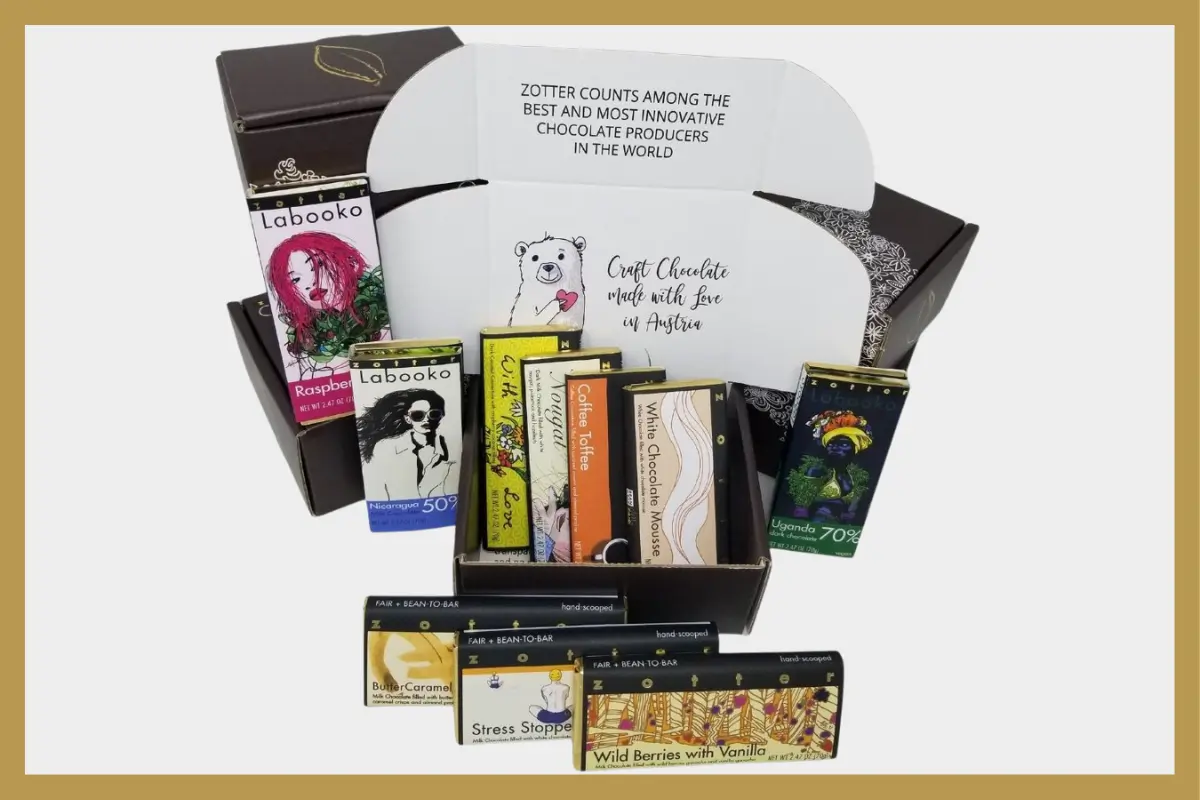
For a brand with a truly expansive range, such as Zotter USA, that sense of discovery is part of the appeal. A vegan chocolate collection can feel less like a dietary corner of the catalog and more like a destination in its own right – rich with choice, craft, and a few delicious surprises.
Are vegan artisan chocolate bars worth the premium?
Often, yes – if what you value is more than sweetness.
Artisan chocolate costs more because more is happening behind the scenes. Better cacao is not cheap. Organic and fair trade sourcing carry real costs. Small-batch production, hand-crafted fillings, and imaginative recipe development require time and skill. You are paying for ingredients, but also for editing, restraint, and originality.
That said, not every expensive bar is excellent. Premium packaging can hide mediocre flavor. Ethical claims can be vague. Trendy ingredients can distract from poor chocolate. The smartest approach is to buy from makers whose standards are clear and whose bars taste considered, not inflated.
When a vegan artisan bar is done right, the value becomes obvious in the eating. The flavor unfolds. The texture feels intentional. The finish leaves you with something memorable rather than merely sweet.
Chocolate this carefully made does not need a special occasion. It creates one. Whether you are shopping for a gift, building a tasting ritual at home, or looking for a plant-based bar that feels genuinely luxurious, choose the one that treats vegan not as a limitation, but as a creative brief.