
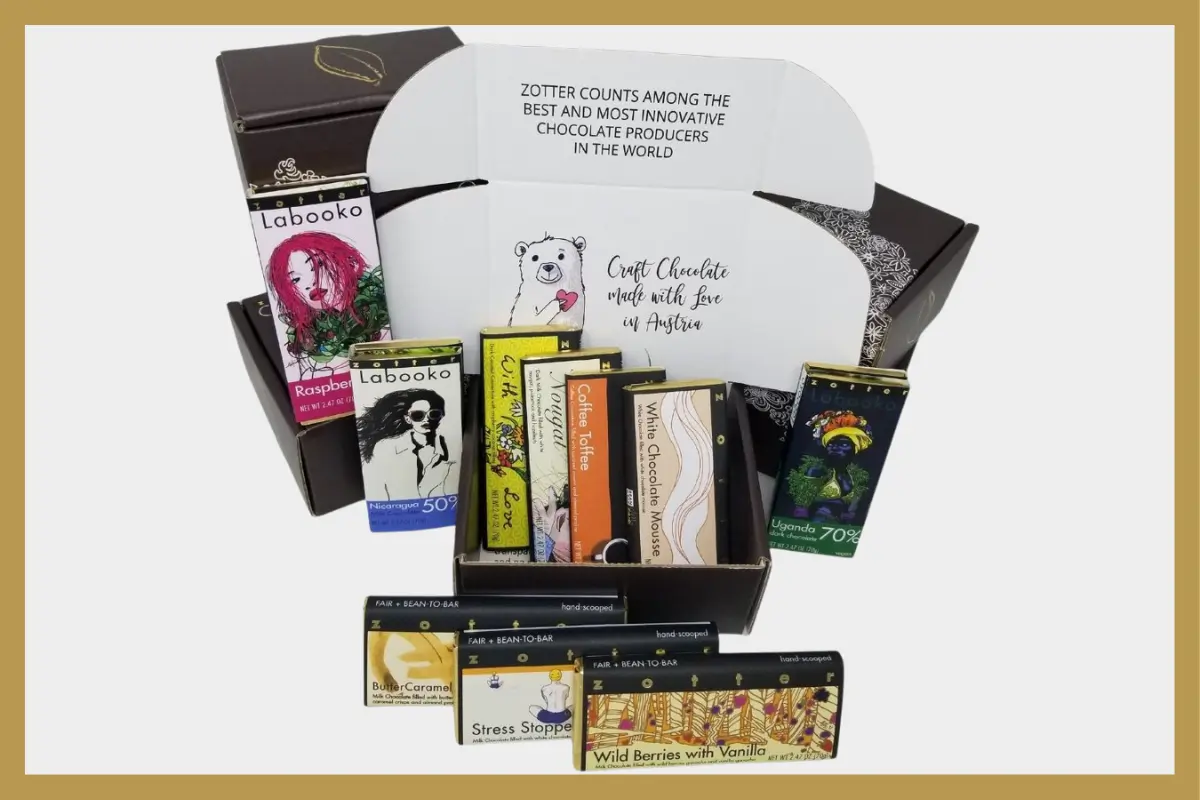
A square snaps cleanly, then melts into flavors you were not expecting from chocolate at all – red berries, roasted nuts, citrus peel, even a whisper of jasmine or tobacco. That is the appeal of single origin chocolate bars. They do not aim for a generic idea of chocolate. They let one place speak clearly, with all the nuance, surprise, and character that comes from a specific cacao-growing region.
For anyone who has only known supermarket bars built for consistency above all else, the first taste can feel almost startling. A single origin bar is less about sameness and more about identity. It invites you to notice where the cacao was grown, how it was fermented and dried, and what the maker chose to preserve rather than smooth away.
What single origin chocolate bars actually mean
At its simplest, single origin chocolate bars are made from cacao sourced from one country, region, estate, or even one harvest area, depending on the maker’s standards. The exact definition can vary, which is where things get interesting. One brand may use the term for cacao from a single country, while another may reserve it for beans from one cooperative or one farm.
That variation matters. “Single origin” is not a magic phrase on its own. The more specific the sourcing, the more meaningful the claim tends to be. A bar labeled Peru can still be excellent, but a bar identifying a distinct valley, community, or estate often gives you a sharper sense of place.
The goal is not exclusivity for its own sake. It is flavor transparency. Instead of blending beans from multiple origins to create a familiar, repeatable profile, the chocolate maker highlights the natural characteristics of one source. In fine chocolate, that can be as revealing as tasting wine from one vineyard or coffee from one farm.
Why origin changes flavor
Cacao is deeply responsive to its environment. Soil composition, rainfall, altitude, local cacao genetics, fermentation methods, and drying conditions all shape the final flavor. This is why single origin chocolate bars can taste wildly different even at the same cacao percentage.
A bar from Madagascar may show bright acidity and vivid berry notes. A bar from Ecuador may lean floral and gently nutty. A bar from the Dominican Republic might offer deeper caramel, earth, or dried fruit tones. None of these profiles is automatically better than another. They are simply different expressions of cacao.
Then there is the maker’s role. Bean-to-bar producers influence the final result through roasting, conching, and sugar balance. A thoughtful maker is not trying to erase the bean’s personality. The craft lies in drawing it out. Too much roasting can flatten delicate notes. Too little can leave a bar tasting underdeveloped or overly sharp. Great origin chocolate is a conversation between place and craftsmanship.
Single origin is not the same as better
This is where a little honesty helps. Single origin does not automatically mean superior quality. It often signals a more intentional chocolate experience, but quality still depends on the raw beans, the ethics of sourcing, and the maker’s skill.
Blended chocolate has its place. In fact, blending can be incredibly sophisticated. A skilled chocolate maker may combine origins to create balance, depth, or a signature house style. That does not make the result less artisanal. It simply serves a different purpose.
Single origin bars are best understood as more transparent, not inherently more luxurious. They tend to appeal to people who want to taste distinction rather than uniformity. If you love comparing flavor notes and noticing subtle differences, they are especially rewarding. If you want a rich, dependable chocolate profile every time, a blend may suit you better.
What to look for when buying a single origin bar
The best bars do more than print a country name in elegant type. They tell you something useful about the cacao and how the chocolate was made.
Look first for clarity around sourcing. Country-level labeling is a start, but region, estate, or cooperative details suggest a stronger connection to origin. Ingredient lists should be short and purposeful, often cacao mass, cocoa butter, and sugar, with perhaps vanilla depending on the style. If there are many additives, you are less likely to get a clean view of the cacao itself.
Cacao percentage matters, but not in the way many shoppers assume. A higher percentage does not always mean more refined or more flavorful. It usually means less sugar and a more intense expression of the bean. Some origins sing at 70%. Others may feel more balanced at 60% or more dramatic at 80%. Taste preference matters.
Certifications and sourcing practices matter too. For many premium chocolate buyers, flavor and ethics are inseparable. Organic and fair trade standards can signal a more considered supply chain, though they are still only part of the story. The best makers pair those commitments with real transparency about origin and production.
How to taste single origin chocolate bars like a pro
You do not need a trained palate or a formal tasting mat. You just need a little patience.
Start by looking at the bar. Fine chocolate should have a clean sheen and a well-made finish. Break off a piece and listen for the snap. Darker bars tend to snap more sharply, though texture can vary with formulation.
Let the chocolate melt slowly instead of chewing right away. Notice the first flavor, then the middle, then the finish. Some bars open sweet and then turn fruity or earthy. Others begin with roasted depth and finish floral. Texture matters too. A silky melt often suggests careful refining and conching.
If you are comparing origins, try them side by side with a glass of water in between. Keep percentages relatively close so you are tasting origin differences, not just sugar levels. This is where single origin chocolate becomes especially compelling. The contrast between bars can be surprisingly vivid.
Who single origin chocolate bars are for
These bars are ideal for curious eaters, thoughtful gifters, and anyone who wants chocolate with a stronger sense of provenance. They work beautifully as a personal indulgence, but they also shine in gifting because they feel considered and elevated.
They are especially appealing if you already enjoy specialty coffee, natural wine, craft spirits, or artisan cheese. The same instinct applies – you are not just buying a product, you are tasting the decisions, geography, and craft behind it.
That said, not everyone wants a bar that challenges expectations. Some single origin chocolates are bright, tannic, or unusually acidic compared with conventional chocolate. For a first-time buyer, the smartest entry point is often a curated tasting set or a few bars from different regions rather than one intense bar at a very high cacao percentage. New here and a little overwhelmed? Start with variety. Your palate will tell you where to go next.
Why ethics matter more in origin chocolate
Single origin often raises the standard for traceability. When a maker can identify where cacao comes from with precision, it becomes easier to talk meaningfully about farming communities, pricing, and long-term relationships.
That does not guarantee perfect sourcing, but it does create room for accountability. In premium chocolate, provenance should not be a decorative story. It should connect to how cacao is purchased and whether growers benefit from the value created downstream.
For shoppers who care about what they support, this is part of the pleasure. A remarkable bar should taste exquisite, but it should also reflect respect for the ingredient at its source. That combination of flavor and ethics is what turns chocolate from a sweet snack into something more memorable.
The pleasure of choosing one place over sameness
There is something quietly thrilling about tasting chocolate that refuses to flatten itself into a universal profile. Single origin bars celebrate difference. They ask you to notice the bright edge of one cacao, the mellow depth of another, the way one region leans floral while another hums with spice and dried fruit.
That is what makes them so giftable and so collectible. They offer a sensory experience, but also a point of view. For brands committed to bean-to-bar craft, ethical sourcing, and expressive flavor, this category is where chocolate becomes genuinely transportive. If you want to explore that world, a thoughtfully made selection from a specialist such as Zotter USA is a very good place to begin.
The best single origin bar does not try to taste like every other bar. It tastes unmistakably like itself, and once you know that difference, ordinary chocolate has a harder time getting your attention.