
Standing in front of a serious chocolate selection can feel less like shopping and more like editing. Do you go classic and elegant, or choose the bar with chili, fruit, or a whisper of salt? If you are looking for the best chocolate flavors to try, the right answer is not one flavor. It is the flavor that fits your mood, your palate, and how adventurous you want this bite to be.
That is what makes premium chocolate so compelling. At its best, chocolate is not a single note of sweetness. It can be bright, earthy, creamy, floral, roasted, tangy, spicy, or deeply dark. And once you move beyond mass-market candy into artisan, bean-to-bar, and hand-crafted chocolate, flavor becomes far more expressive. Ingredients matter. Cocoa origin matters. Balance matters. So does the confidence to try something unexpected.
The best chocolate flavors to try start with your palate
Some people want comfort first. Others want surprise. Most of us want both, depending on the day.
If you usually reach for familiar desserts, start with flavors that build on what you already love – hazelnut, caramel, almond, nougat, or vanilla. These flavors tend to highlight chocolate’s rounder, softer side. They are easy to enjoy and easy to gift because they feel luxurious without being polarizing.
If you prefer sharper contrast, fruit and spice are where chocolate gets interesting fast. Raspberry adds brightness. Orange brings a fragrant bitterness that pairs beautifully with dark chocolate. Chili can create warmth rather than heat when done well. Ginger adds sparkle and depth. These combinations are often the ones people remember because they shift chocolate from sweet treat to tasting experience.
Then there is the purist path. A high-quality milk chocolate with excellent cocoa can be revelatory, but dark chocolate and single-origin bars are often where subtlety shows itself most clearly. You may notice red fruit, coffee, nuts, honey, or citrus without any added flavor at all. For shoppers who care about craftsmanship and sourcing, this is where chocolate becomes as nuanced as wine or specialty coffee.
12 best chocolate flavors to try if you want more than ordinary
1. Dark chocolate
Dark chocolate earns its place at the top because it shows what the cocoa can actually do. The best versions are not simply bitter. They can be velvety, fruity, woody, floral, or gently smoky, depending on the beans and roast. If you think dark chocolate is too intense, the problem may have been the quality, not the style.
2. Milk chocolate with high cocoa content
This is the flavor for people who want creaminess without giving up character. A premium milk chocolate with a higher cocoa percentage has depth and a more refined finish than standard sweet milk chocolate. It feels familiar, but more polished.
3. Hazelnut
Hazelnut and chocolate is one of the great classic pairings because the roasted, buttery notes naturally echo cocoa’s own warmth. The key difference at the premium level is texture and balance. You get real nut character rather than generic sweetness.
4. Salted caramel
Salted caramel works because it sharpens everything around it. The salt lifts the cocoa, the caramel brings richness, and the contrast keeps the bar from becoming heavy. It is a smart choice when you want something indulgent that still feels precise.
5. Orange
Orange with chocolate has range. In milk chocolate it reads softer and more confectionary. In dark chocolate it becomes elegant and slightly bitter in the best possible way. If you enjoy citrus desserts or after-dinner chocolate, this one rarely disappoints.
6. Raspberry
Raspberry brings brightness, acidity, and a vivid fruit note that cuts through richness. It can make dark chocolate feel fresher and milk chocolate feel more alive. For many people, it is the ideal entry point into fruit-filled or fruit-inflected bars.
7. Almond or praline
Almond gives chocolate structure. Praline adds toasted sweetness and a more dessert-like finish. These flavors are comforting, but not simplistic, especially when the nuts taste fresh and the chocolate itself is strong enough to hold the pairing.
8. Coffee or espresso
Chocolate and coffee share roasted depth, which is why this combination can feel so natural. Espresso flavors tend to intensify dark chocolate’s richness and add a grown-up edge. It is an especially good pick for people who want less sweetness and more intensity.
9. Chili
Chili in chocolate is often misunderstood. It should not bulldoze the palate. The best versions add a gradual warmth that expands the cocoa flavor rather than fighting it. If you enjoy dark chocolate and want to try something more adventurous, this is a strong next step.
10. Sea salt
Sea salt may sound simple, but simplicity is the point. A well-placed touch of salt can make a chocolate bar taste more complete, bringing out sweetness, bitterness, and aroma at once. It is proof that restraint can be every bit as luxurious as complexity.
11. Coconut
Coconut can go in two directions. It can be creamy and tropical in milk chocolate, or leaner and more aromatic in dark or vegan bars. Either way, it offers texture and fragrance that make chocolate feel instantly more transportive.
12. Ginger
Ginger is bright, warm, and a little daring. In chocolate, it can add snap and freshness, especially in darker bars. This is a flavor for people who want something distinctive but still balanced enough to enjoy more than once.
How to choose the best chocolate flavors to try
The smartest way to explore chocolate is not to chase the boldest bar first. It is to move in layers.
Start with what you already know you enjoy in desserts, drinks, or pastries. If you love coffee, espresso chocolate is an easy win. If citrus desserts are your weakness, start with orange. If you tend to order salted caramel anything, chocolate is no exception. Familiar flavor families make experimentation feel rewarding instead of risky.
Next, think about intensity. Milk chocolate, gianduja, nut praline, and caramel flavors usually feel softer and more crowd-pleasing. Dark chocolate, fruit pairings, spice, and single-origin profiles can be more expressive and sometimes more challenging. Neither camp is better. It depends on whether you want comfort or contrast.
Texture matters too, and it is often overlooked. A silky ganache filling creates a very different experience from a bar with crunchy nuts, fruit pieces, or layered praline. If you are shopping for a gift, texture can be the detail that makes a bar feel especially memorable.
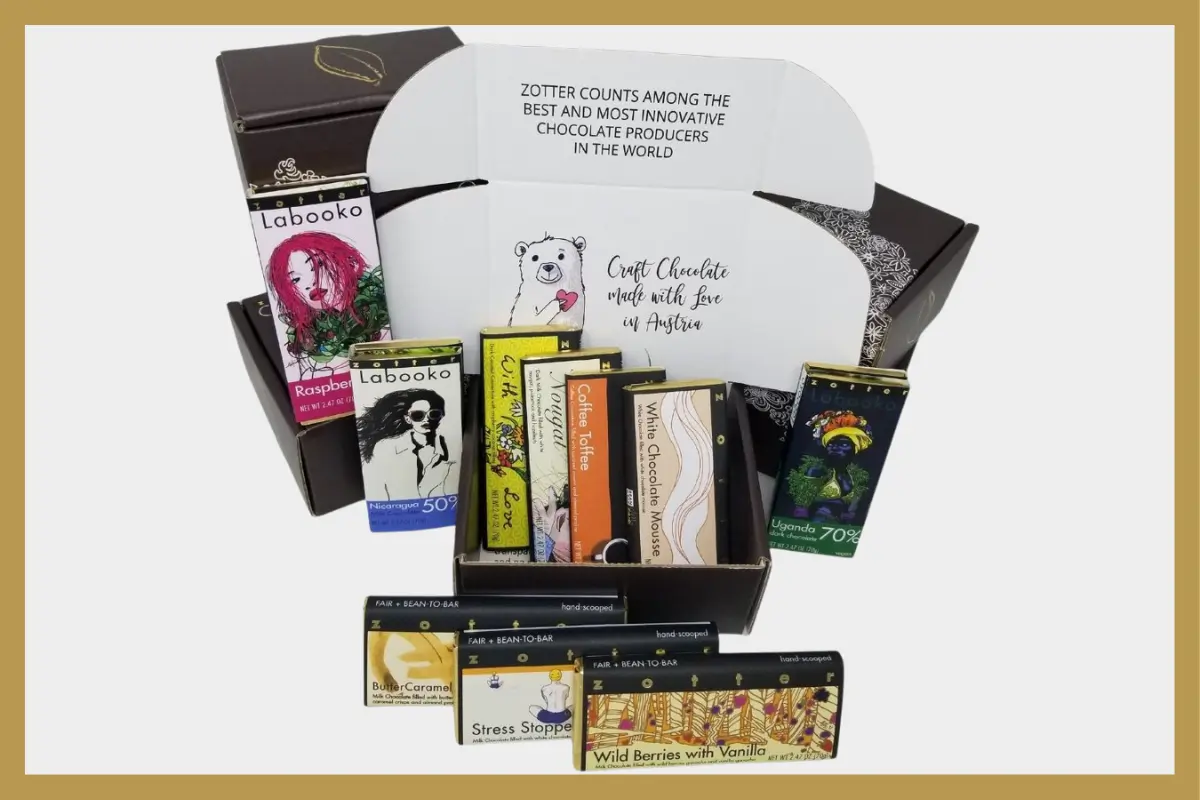
And if you are overwhelmed by a large assortment, curated selections are the elegant solution. Discovery packs, mixed assortments, or tasting-focused collections let you compare flavor styles without committing to one direction too soon. For a brand with a broad, adventurous portfolio like Zotter USA, that kind of guided exploration makes the experience feel exciting rather than excessive.
Classic versus adventurous flavors
There is no medal for choosing the strangest bar on the shelf. Sometimes the best chocolate flavor to try is the one executed with perfect balance.
Classic flavors such as hazelnut, caramel, almond, and dark chocolate are enduring for a reason. They showcase chocolate’s natural strengths and tend to have wide appeal. They are excellent for gifting, hosting, or building a personal favorites list.
Adventurous flavors do something different. They create contrast, surprise, and conversation. Chili, ginger, vivid fruit, floral notes, herbs, and unusual inclusions can turn a chocolate break into a genuine tasting moment. The trade-off is that these bars are more personal. One person’s unforgettable favorite can be another person’s maybe-not-again.
That is why premium chocolate should invite curiosity without losing its sense of craftsmanship. Bold flavor only works when the cocoa remains the star.
What separates premium chocolate flavors from novelty
A flavor can sound dramatic on the wrapper and still fall flat in the tasting. Premium chocolate earns attention differently.
First, the cocoa itself has to be good enough to carry the experience. If the base chocolate is dull, no amount of fruit, spice, or filling will fix it. Second, the added flavors should feel intentional. You want contrast, not clutter. A raspberry note should brighten the cocoa. A chili note should unfold gradually. A caramel filling should deepen the chocolate, not smother it.
Ethical sourcing matters here too, not just as a values statement but as part of quality. Better ingredients and more careful production tend to create cleaner, more expressive flavor. For shoppers who care about organic, fair trade, and bean-to-bar craftsmanship, that connection is part of the pleasure.
The best chocolate does not ask you to choose between principle and indulgence. It gives you both, beautifully.
Chocolate should be fun, but it should also feel worth your attention. Try one classic flavor, one fruit-forward bar, and one bolder choice with spice or origin character, then notice what you reach for again. Your favorite may be less predictable than you think.