

You bite into a 70% bar expecting instant intensity, then taste something surprisingly smooth, fruity, even gentle. Meanwhile, a 60% bar can come across darker, sharper, and less sweet than you imagined. That is exactly why a guide to cacao percentages matters. The number on the wrapper tells you something useful, but not nearly as much as most people assume.
Cacao percentage is often treated like a shortcut for quality, seriousness, or bitterness. In reality, it is better understood as a starting point. It tells you how much of the bar comes from cacao ingredients, usually cocoa mass and cocoa butter, rather than sugar and other additions. It does not tell you the bean origin, the roast, the style of conching, the texture, or whether the flavor leans toward berries, nuts, spice, caramel, or deep earthy notes.
For anyone shopping premium chocolate, that distinction is worth knowing. A well-made bar is not impressive because the number is high. It is impressive when the percentage, sourcing, and craftsmanship work together to create balance.
What cacao percentage actually means
In the simplest terms, cacao percentage refers to the total proportion of cacao-derived ingredients in a chocolate bar. If a bar is labeled 70%, that usually means 70% of the recipe comes from cocoa solids and cocoa butter combined. The remaining portion is typically sugar, and sometimes vanilla or other minor ingredients.
This matters because cocoa solids contribute much of the chocolate flavor, including bitterness, fruitiness, and depth, while cocoa butter affects texture and melt. Two bars with the same percentage can taste very different depending on how those elements are balanced. One 70% bar may feel silky and rounded because it contains more cocoa butter. Another may feel more intense and dry if the formula leans more heavily on cocoa solids.
That is one reason percentages can be misleading when used alone. The number measures composition, not character.
A practical guide to cacao percentages by range
Most shoppers do not need lab-level detail. They want to know what the bar will taste like and whether they will enjoy it. The easiest way to use a guide to cacao percentages is to think in ranges rather than obsess over one exact number.
30% to 45% – softer, sweeter, more approachable
This is often where milk chocolate lives, though styles vary. These bars usually taste creamier, sweeter, and more familiar, with less bitterness and a softer chocolate presence. They can carry caramel, malt, honey, and vanilla notes beautifully.
That does not make them less refined. In premium chocolate, lower percentages can still show remarkable nuance. A beautifully crafted milk chocolate can be every bit as intentional as a dark bar, especially when the dairy, cocoa origin, and sweetness are in balance.
50% to 65% – the bridge between milk and dark
This range often appeals to people who want more cocoa flavor without moving into a stern or highly bitter profile. It can be plush, rounded, and versatile. You may still get sweetness, but with more roasted depth, more lingering cocoa, and sometimes a hint of red fruit or spice.
For gifting or sharing, this middle zone is often a smart choice because it has broad appeal. It feels elevated without being polarizing.
70% to 75% – classic dark chocolate territory
For many chocolate lovers, this is the sweet spot. There is enough cacao to deliver structure and complexity, but often still enough sugar and cocoa butter to keep the bar elegant and balanced. A great 70% can taste vivid rather than severe.
This is also the range where origin becomes easier to notice. Depending on the beans and the maker, you may find notes of cherry, citrus, coffee, walnut, tobacco, or floral brightness. This is where dark chocolate starts to feel less like a category and more like a tasting experience.
80% and above – intense, layered, and often an acquired taste
Higher percentages usually bring more concentration and less sweetness. That can reveal beautiful depth, but it also leaves less room to hide flaws. If the beans are harsh or the process is unrefined, a high-percentage bar can taste flat, dusty, or aggressively bitter.
When done well, though, these bars can be exquisite. They may offer a purer expression of the cacao itself, with remarkable clarity and a long finish. The trade-off is accessibility. Not everyone wants that level of intensity for casual snacking, and that is perfectly fine.
Why 70% does not always taste darker than 60%
This is the point that surprises people most. A higher percentage does not automatically mean a more bitter experience.
Bean origin plays a major role. Some cacao naturally tastes bright and fruity. Some tastes nutty, mellow, or earthy. Roasting changes the picture again. A lighter roast may preserve acidity and fruit, while a darker roast can bring more bitterness and deeper toasted notes. Then there is texture. A smoother bar often reads as more luxurious and approachable, even at a higher percentage.
Sugar also affects perception in more subtle ways than people expect. A 60% bar with a certain roast profile may taste darker because its flavor compounds hit more sharply. A 70% bar with fine beans and careful processing may feel calmer, more polished, and more harmonious.
That is why premium chocolate invites tasting rather than assumptions.
What cacao percentage does not tell you
A percentage cannot tell you whether the cacao was ethically sourced, whether the ingredients are organic, or whether the chocolate was made with care. It cannot tell you if the maker used exceptional beans or commodity cacao. It also cannot tell you whether the flavor will be adventurous, classic, playful, or restrained.
For shoppers who care about craftsmanship, the more revealing clues are often origin, ingredient transparency, production style, and the maker’s philosophy. Bean-to-bar production, fair trade practices, and organic sourcing matter because they speak to both flavor integrity and values. In artisan chocolate, the percentage is one note in a much richer composition.
How to choose the right percentage for different moments
If you are buying for everyday pleasure, start with what you genuinely enjoy rather than what sounds impressive. A beautifully made 50% to 70% bar is often where richness and ease meet.
If you are tasting chocolate the way you might taste wine or coffee, move into the 70% to 80% range and compare bars from different origins. That is where distinctions become vivid. You begin to notice how one bar suggests plum and spice while another leans toward hazelnut and espresso.
If you are shopping for a gift, think about the recipient’s comfort zone. For someone new to premium chocolate, a balanced dark bar or a refined milk chocolate is usually more welcoming than an ultra-high percentage. For an experienced chocolate lover, a higher cacao bar or a tasting set with varied percentages can feel especially thoughtful.
If you are baking, the right percentage depends on the recipe. Lower percentages can bring sweetness and creaminess to ganache or mousse. Higher percentages add intensity and structure. There is no single best number. It depends on whether you want the chocolate to dominate, support, or simply deepen the final flavor.
The luxury detail most labels leave out
In artisan chocolate, percentage is only part of the story because the best bars are built around intention. A maker may choose 68% not because it sounds impressive, but because that exact balance lets a specific cacao sing. Another may craft an 82% bar with unusual softness and aromatic lift. Those choices reflect confidence, not compromise.
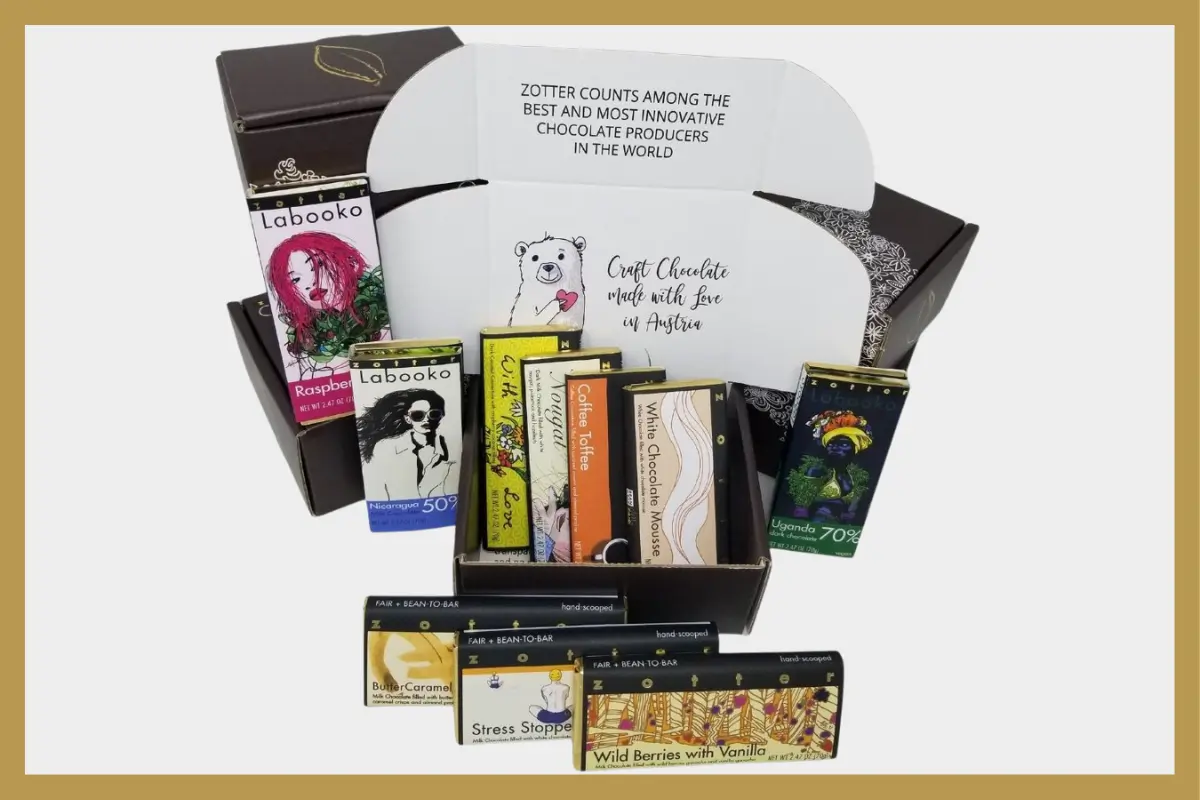
That is especially true in a collection that values discovery. At Zotter, for example, the pleasure often comes from tasting how craftsmanship, creativity, and ethically sourced cacao shape the experience beyond the number alone. Percentage matters, but personality matters more.
How to taste beyond the number
When you try a new bar, let it melt slowly instead of chewing immediately. Notice the first impression, then the middle, then the finish. Does it open sweet and end earthy? Is there fruit, spice, creaminess, or a clean snap followed by warmth? The percentage may frame the experience, but the flavor story unfolds in layers.
That is where premium chocolate becomes more than a craving. It becomes a small act of attention.
The best guide to cacao percentages is not a chart that tells you what you should like. It is the moment you realize the number on the wrapper is only an invitation, and the real pleasure begins when you taste with curiosity.