

A great cup of drinking chocolate should feel like an occasion, not an afterthought. It can be dark and dramatic, silky and comforting, bright with fruit notes, or warmly spiced. This drinking chocolate buying guide will help you choose the style that suits your palate, your pantry, and the kind of pause you want to make for yourself.
Unlike the thin, sugary cocoa many Americans grew up with, premium drinking chocolate begins with real chocolate and lets cacao take center stage. The result can be profoundly rich, so the right choice is less about finding the most intense option and more about finding the one you will genuinely look forward to drinking.
Start With the Style of Drinking Chocolate
The first decision is texture. Some drinking chocolates are designed for a generous, sippable mug. Others are inspired by European hot chocolate traditions, where the cup is smaller, thicker, and almost dessert-like. Neither is more luxurious by default. It depends on whether you want an everyday ritual or a slow, spoon-worthy indulgence.
Chocolate flakes, shavings, and finely chopped bars generally offer the most authentic chocolate character. Because they are made from actual chocolate, they melt into milk or a plant-based alternative with cocoa butter, depth, and a lingering finish. They also give you control: use a little less for an elegant, lighter cup or more for a dense, velvety one.
Powdered drinking chocolate can be excellent, especially when it contains a high proportion of cacao and minimal fillers. It is often convenient for busy mornings or office drawers. Read the ingredient list closely, though. Some powders lean heavily on sugar and cocoa powder, which can make a drink taste flatter and less rounded than one made with real chocolate.
Tablets, coins, or portioned pieces sit somewhere in between. They are beautifully simple for gifting and make it easier to prepare a consistent serving. If you like ritual without measuring, this format is worth considering.
Cacao Percentage Is a Clue, Not a Verdict
A higher cacao percentage usually means a less sweet and more intense cup, but it does not tell the whole story. A 70% drinking chocolate can taste surprisingly gentle when its cacao has naturally caramelized, nutty notes. Another at 60% may taste bolder if the beans are earthy, tangy, or roasted more deeply.
For a first purchase, consider how you eat chocolate. If you reach for milk chocolate bars, a drinking chocolate in the 40% to 55% range may feel generous and approachable. If you prefer dark chocolate with a clean finish, look toward 60% to 75%. Beyond that, expect a more serious, less sweet experience that rewards slow sipping.
Cacao percentage also affects how you prepare the drink. Darker chocolate often benefits from whole milk or a creamy oat milk, which softens bitterness and builds body. A sweeter drinking chocolate may be especially lovely with dairy or almond milk, where its vanilla, caramel, or nutty accents can come forward.
Do not assume that darker always means better. The most memorable cup is balanced: enough cacao to create depth, enough sweetness to carry the flavor, and enough cocoa butter to give it a luxurious texture.
Look for Flavor, Not Just Sweetness
Premium drinking chocolate has a flavor story. The cacao itself may suggest red berries, dried fruit, roasted nuts, coffee, honey, or gentle spice. Added ingredients can take that story in entirely different directions, from cinnamon and chili to hazelnut, orange, coconut, or a touch of salt.
If you want a classic cup, choose a pure milk or dark chocolate with a short, recognizable ingredient list. This lets you understand the maker’s chocolate before moving into more adventurous combinations. A pure expression is also versatile: add your own pinch of sea salt, orange zest, espresso, or cardamom when the mood strikes.
Flavored drinking chocolate is where an artisan assortment becomes particularly exciting. Spice should warm the chocolate rather than overwhelm it. Fruit should bring brightness, not candy-like sweetness. Nuts should taste freshly toasted, not artificial. The best pairings feel composed, with chocolate still unmistakably at the center.
For gifting, variety is often wiser than guessing a single favorite. A tasting selection with one classic dark option, one creamy milk chocolate, and one distinctive flavor gives the recipient a small chocolate journey rather than a one-note treat.
A Drinking Chocolate Buying Guide to Ingredients
Ingredient lists reveal more than marketing claims. Look first for cacao mass, cocoa butter, cocoa powder, milk powder when applicable, and sugar. Those ingredients are not interchangeable. Cacao mass provides deep chocolate flavor, while cocoa butter brings the plush, glossy mouthfeel that separates a rich drinking chocolate from an ordinary cocoa drink.
A short ingredient list is usually a good sign, but simplicity is not the only measure of quality. A thoughtful inclusion such as real vanilla, finely ground spices, or a carefully chosen fruit component can add genuine complexity. What matters is that each ingredient earns its place.
Be alert to products built around inexpensive fillers, artificial flavors, or excessive sweeteners. They may dissolve quickly, but they can leave a chalky texture or a finish that disappears before the chocolate has had a chance to speak.
Dietary preferences deserve the same attention. Vegan drinking chocolate can be exceptionally full-bodied when it is made with quality dark chocolate and enough cocoa butter. For dairy-free preparation, oat milk is often the closest match for a creamy, café-style texture, while soy milk can add body and protein. Nut milks tend to be lighter and may complement delicate, fruity cacao particularly well.
Choose Cacao With a Point of View
Chocolate tastes better when its quality extends beyond the cup. Organic and fair trade sourcing are meaningful signals for shoppers who care about how cacao is grown and traded, though certifications are only part of the picture. Seek makers that are transparent about their ingredient standards, cacao origins, and chocolate-making process.
Bean-to-bar production is another valuable indicator. It means the maker has greater involvement in transforming cacao beans into chocolate, allowing more control over roasting, grinding, and flavor development. That care can be tasted in a drinking chocolate with clarity, character, and a finish that does not rely on excessive sugar.
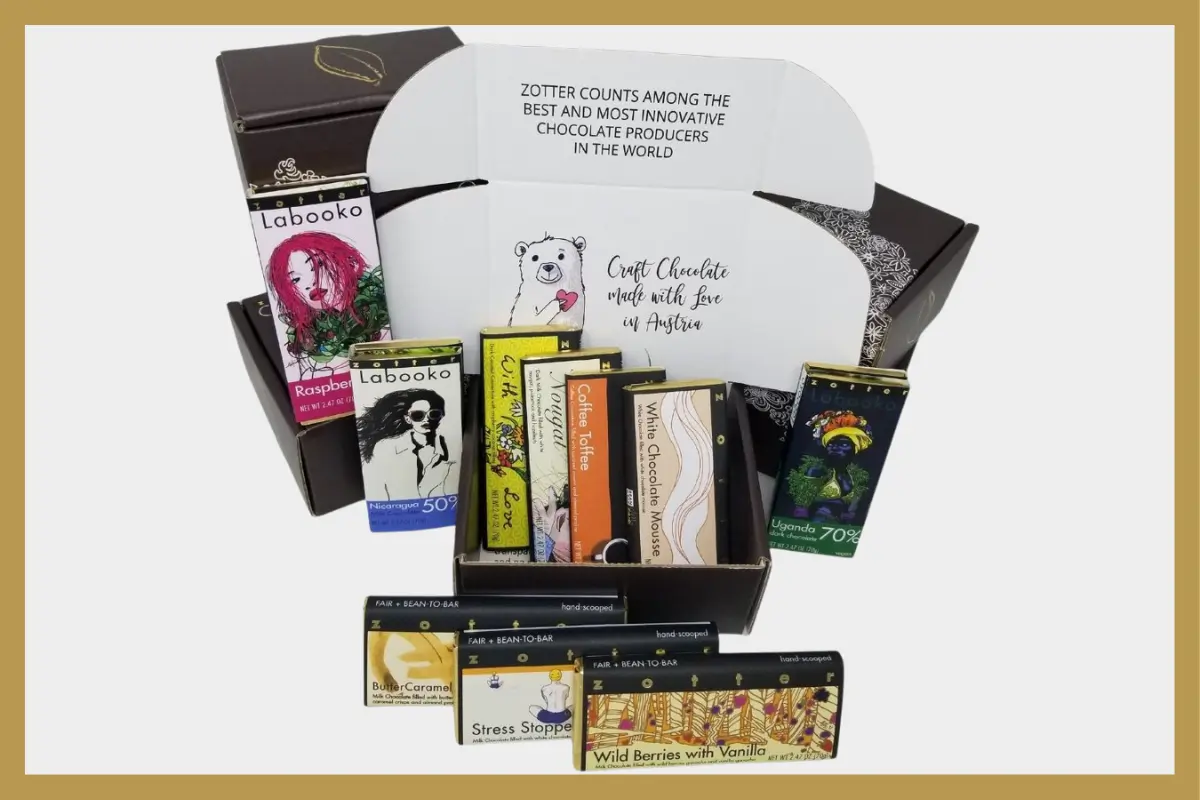
At Zotter, organic and fair trade cacao meet Austrian chocolate craftsmanship, including drinking chocolates made for people who expect as much personality from a cup as they do from a fine bar. That combination of ethics and artistry is worth seeking wherever you shop.
Match the Chocolate to How You Will Make It
Before buying, think about your actual routine. If you want a quick evening cup, choose a format that melts easily and prepare it with hot milk, not boiling milk. Boiling temperatures can dull nuanced flavors and, with some chocolates, encourage a slightly grainy texture.
For a more luxurious result, warm your milk gently, add the chocolate gradually, and whisk until glossy. A small saucepan gives you the most control. A handheld frother creates a lighter top and makes plant-based milks feel more generous. If you love a thick European-style drink, use less liquid and let the chocolate simmer very gently for a minute or two while stirring.
Water is not off-limits. A small splash can help chocolate melt before milk is added, and certain dark drinking chocolates are striking when prepared with water alone. The cup will be lighter and more focused, much like tasting a dark chocolate bar, so this method is best for cacao lovers who enjoy brightness and complexity.
Buy for the Moment, Then Leave Room to Explore
A single-origin dark drinking chocolate can be a beautiful choice for quiet winter evenings. A creamy milk chocolate may be better for sharing after dinner. A chili, coffee, or spice-forward variety brings drama to a dinner party, while a discovery set is ideal when you are new to premium drinking chocolate or buying for someone with adventurous taste.
Storage matters, especially if you are buying several varieties. Keep drinking chocolate cool, dry, and away from strong odors. Refrigeration is usually unnecessary and can introduce condensation when the package comes back to room temperature. Buy enough to enjoy over the coming months, rather than treating it like an indefinitely shelf-stable pantry item.
The best cup is not necessarily the darkest, rarest, or most elaborate one. It is the chocolate that makes you slow down for a few minutes, notice its aroma, and take one more sip before the cup has gone cool. Start with a flavor that feels unmistakably yours, then let curiosity choose the next one.