
A glossy chocolate shell that snaps cleanly under your teeth is not an accident. It comes down to fat, formulation, and technique. In the conversation around couverture versus compound chocolate, the real question is not simply which one is better. It is which one serves the experience you want to create – whether that is an exquisite bonbon, a polished dipped strawberry, a quick batch of cake pops, or a bar worth lingering over.
For chocolate lovers, ingredient readers, and ambitious home bakers, knowing the difference makes shopping and tasting far more rewarding. One is built around cocoa butter and traditional chocolate craft; the other is designed for convenience, stability, and speed. Both have a place. They simply make very different promises.
What Is Couverture Chocolate?
Couverture is a high-quality chocolate made with cocoa solids, sugar, and a generous proportion of cocoa butter. Depending on the style, it may also include milk solids, vanilla, or carefully selected inclusions. What distinguishes it is not a single magic percentage printed on the package, but its higher cocoa butter content relative to standard eating chocolate.
Cocoa butter is the naturally occurring fat in cacao beans. It is responsible for chocolate’s distinctive melt: firm at room temperature, then luxuriously fluid at body temperature. In couverture, that extra cocoa butter gives melted chocolate a thinner flow, making it especially suited to coating, molding, enrobing, and creating fine decorative work.
It also asks something of the maker. Couverture needs tempering – a controlled process of heating, cooling, and reheating chocolate to encourage stable cocoa butter crystals. Done well, tempering creates the qualities people associate with beautifully made chocolate: sheen, a crisp snap, clean release from molds, and a finish that does not turn soft or streaky on the counter.
That level of care is part of the pleasure. Fine couverture can carry the character of its cacao with remarkable clarity: fruit, roasted nuts, caramel, floral notes, spice, or a deep bittersweet finish. When the cacao is thoughtfully sourced and the recipe is handled with restraint, chocolate becomes more than sweet. It becomes expressive.
What Is Compound Chocolate?
Compound chocolate, sometimes called compound coating, replaces some or all of the cocoa butter with another vegetable fat. The exact fat varies by manufacturer and may include palm kernel oil, coconut oil, or other fats formulated to behave predictably. It can still contain cocoa powder, sugar, milk powder, and flavoring, so it may look and taste chocolate-like. But its structure is fundamentally different.
Its major advantage is simple: compound coating generally does not need to be tempered. Melt it, coat or mold with it, and allow it to set. That ease makes it useful in high-volume production, casual decorating, and projects where speed matters more than the nuanced behavior of cocoa butter.
Compound chocolate can also be more forgiving in warm kitchens and may offer a practical, lower-cost option for large batches. A bakery producing hundreds of uniform treats for an event may reasonably choose it for a decorative drizzle or coating. Convenience is not a moral failure. It is a functional choice.
Still, the convenience comes with sensory trade-offs. Vegetable fats tend to melt differently than cocoa butter, which can mean a waxier texture, a softer break, or a coating that lingers on the palate rather than disappearing gracefully. Quality varies widely, but compound coatings rarely deliver the depth, aroma, and elegant melt that define exceptional chocolate.
Couverture Versus Compound Chocolate: The Essential Differences
The clearest difference between couverture and compound chocolate is the fat. Couverture relies on cocoa butter; compound chocolate relies on alternative vegetable fats. From that one distinction, nearly every practical and sensory difference follows.
Couverture requires tempering because cocoa butter can crystallize in several forms. Proper tempering encourages the stable form that gives chocolate its signature gloss and snap. Compound coatings are formulated to set without that process, which makes them easier for beginners but less responsive to classic chocolate technique.
Then there is flavor. Cocoa butter itself has a gentle, creamy character, but its greatest contribution is the way it carries and releases cacao flavor. A well-made couverture allows origin, roast, and recipe to unfold on the palate. Compound chocolate often delivers straightforward sweetness and cocoa flavor, but its vegetable-fat base can mute the finer details.
Appearance matters, too. Properly tempered couverture creates a refined, reflective finish that feels at home in a luxury gift box. Compound coating can look attractive, particularly in colorful decorations or novelty confections, but it does not usually achieve the same natural luster or delicate shell.
Why Tempering Is Worth the Effort
Tempering can sound intimidating until you understand the reward. It is not culinary theater. It is the technique that gives real chocolate its polish and poise.
When couverture is tempered correctly, a molded piece releases cleanly, holds its shape, and breaks with a satisfying crack. When it is not, the same chocolate may set slowly, look dull, feel soft, or develop pale streaks known as bloom. Bloom is safe to eat, but it interrupts the visual experience and signals that the cocoa butter crystals are no longer organized as they should be.
For a casual drizzle over brownies, the extra step may not be worthwhile. For truffles, molded chocolates, dipped fruit, or gift-worthy confections, it can transform the final result. Think of it as the difference between a finishing touch and a finished piece.
A few practical habits help: keep all tools dry, avoid overheating, work with an accurate thermometer, and use chocolate formulated for the task at hand. Even professionals treat temperature with respect. Cocoa butter is precise, but it rewards precision generously.
Choosing the Right Chocolate for Your Project
Choose couverture when flavor, texture, and presentation are central to the occasion. It is the natural choice for handmade bonbons, elegant bark, chocolate-dipped cookies, molded figures, and desserts where the chocolate is meant to be noticed. It is also ideal when you want to taste the personality of a particular cacao or a carefully composed recipe.
Choose compound coating when the project is informal, time-sensitive, or designed around convenience. It can be useful for children’s decorating projects, large-scale party treats, colorful coating work, or recipes where a quick-setting finish is more valuable than a cocoa-butter snap.
For eating chocolate, the decision becomes even clearer. If you care about a graceful melt and layered flavor, look for bars made with real cocoa butter and transparent, thoughtful ingredients. A premium bar does not need to be technically labeled couverture to offer an extraordinary chocolate experience. What matters is the cacao, the recipe, the craftsmanship, and the integrity behind every component.
Ingredient Quality Is a Separate Question
It is tempting to treat cocoa butter as the only measure of quality, but chocolate asks us to look further. A couverture made with cocoa butter can still be overly sweet, poorly roasted, or made without meaningful attention to cacao sourcing. Likewise, a compound product may be appropriate for its intended use while never pretending to be a bean-to-bar tasting experience.
For conscious shoppers, ask where the cacao comes from, how it was grown, and whether the maker supports fairer relationships throughout the supply chain. Organic and fair trade certifications can offer useful guidance, though they are part of a larger picture that includes long-term producer partnerships, ingredient transparency, and responsible manufacturing.
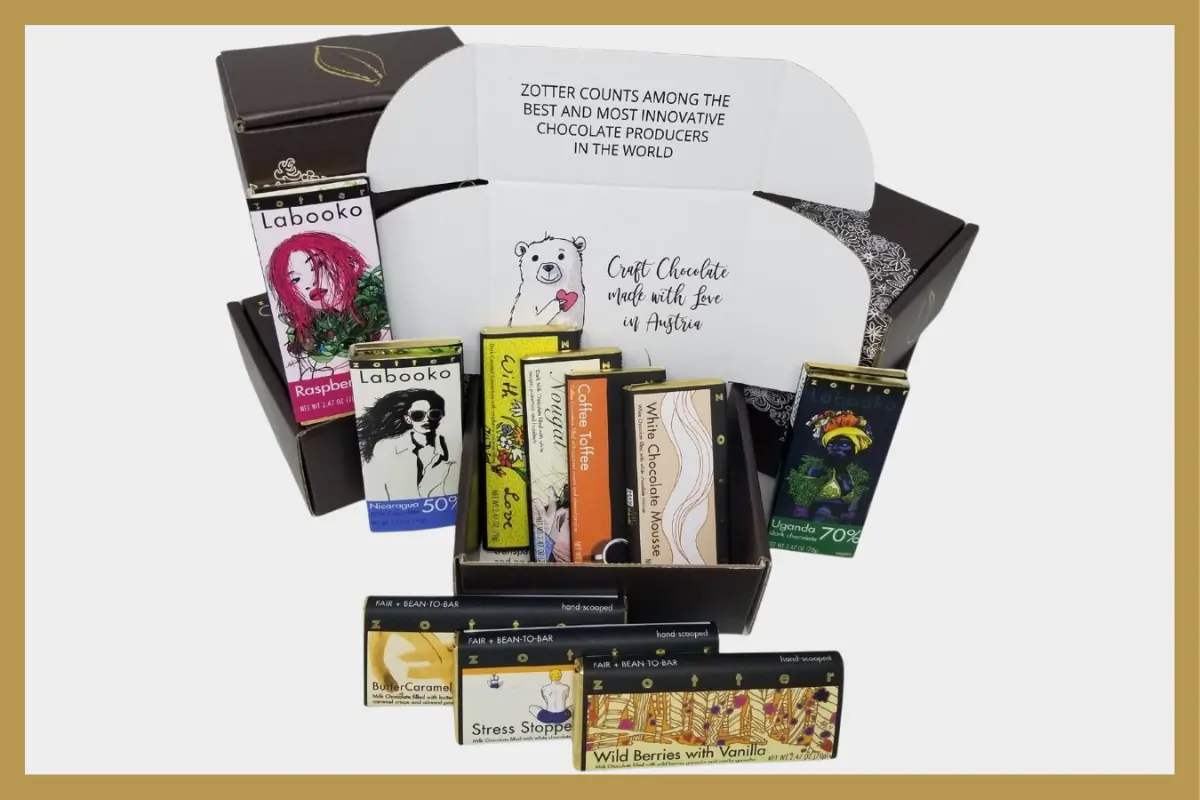
This is where artisan chocolate earns its place. Makers such as Zotter pair organic, fair trade cacao with imaginative recipes, proving that ethical standards and playful flavor can belong in the same exceptionally crafted bar. A pistachio, fruit, coffee, or spice inclusion should add dimension, not hide indifferent chocolate underneath.
A Better Way to Read a Chocolate Label
Start with the ingredient list. Cocoa mass, cocoa butter, sugar, and milk powder in a milk chocolate are familiar signals of traditional chocolate. If you see vegetable oils or fats in a product presented as a chocolate coating, you are likely looking at a compound formulation.
Next, consider the context. Is this a baking chip designed to keep its shape in the oven? A candy melt intended for effortless coating? A single-origin dark bar for slow tasting? The best choice is the one aligned with the moment. There is no need to demand artisan-level complexity from every dessert garnish, just as there is no reason to settle for a waxy finish when you are creating a special gift.
Finally, trust your senses. Exceptional chocolate should smell inviting before it is tasted. It should break with purpose, melt without heaviness, and leave you with a flavor worth remembering. The most useful lesson in couverture versus compound chocolate is not a rule to memorize. It is an invitation to choose with more intention – and to make room for the kind of chocolate that turns an ordinary pause into a small, delicious occasion.