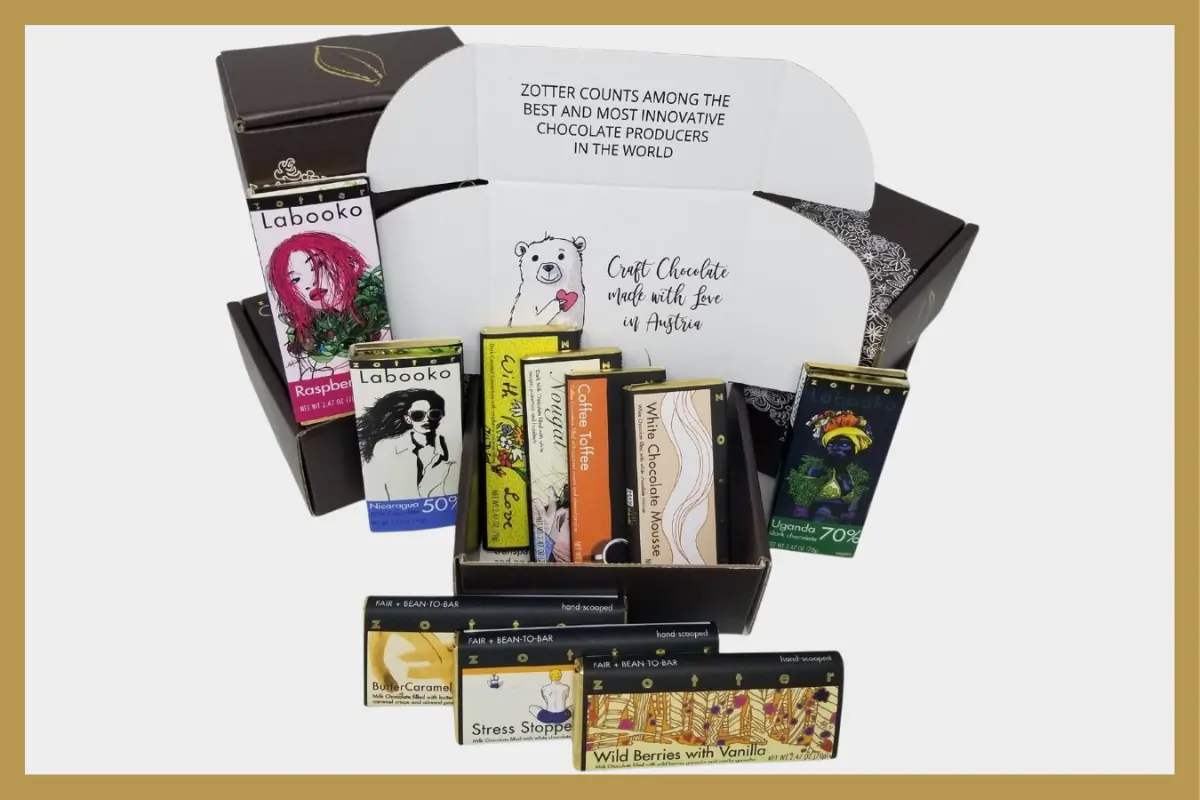

A memorable box of chocolate should create a little anticipation before the first square is even unwrapped. This artisan chocolate sampler review looks at what separates a genuinely special tasting assortment from a handsome box that delivers the same flavor in different wrappers. For curious palates, the best sampler is not simply a quantity of sweets. It is an invitation to taste cacao, craftsmanship, texture, and imagination side by side.
What an Artisan Chocolate Sampler Should Deliver
An artisan sampler has a difficult job. It needs enough familiarity to feel generous and immediately enjoyable, while offering enough surprise to justify the word “artisan.” A plain milk chocolate bar may be flawless, but a collection becomes more compelling when it moves between silky praline, bright fruit, toasted nuts, a measured touch of spice, and deep dark chocolate with a clear cocoa character.
Variety matters, but random variety does not. The strongest assortments have a point of view. They balance creamy and intense, playful and polished, classic and unexpected. A cherry-forward piece can refresh the palate after something rich and nutty; a crunchy layer can make a soft ganache feel even more luxurious. When flavors have contrast, each tasting becomes more distinct.
That is especially valuable for gifting. A sampler gives the recipient permission to have an opinion. One person may fall for a dark chocolate with a clean, lingering finish, while another reaches first for an expressive filling with coffee, fruit, caramel, or spice. The pleasure is in comparing notes, trading favorites, and finding the piece that feels made for you.
Artisan Chocolate Sampler Review: The Details That Count
The wrapper may make the first impression, but the chocolate should do the persuasive work. Start with the snap. In a well-made dark chocolate, it should be clean rather than dull or bendy. Milk chocolate tends to break more softly, yet it should still feel fresh and composed. A chalky surface, crumbly center, or waxy melt is a warning that the experience may be more about packaging than craft.
Texture is often where an artisan collection shows its range. Fine chocolate should begin to melt smoothly, releasing flavor gradually instead of disappearing in a rush of sugar. Filled pieces add another layer of judgment. A ganache should be plush, not oily; a nut filling should taste freshly roasted, not flat; a crisp inclusion should stay crisp enough to provide contrast.
Then there is balance. Creative flavors are exciting only when the chocolate remains present. Chili should warm rather than overwhelm. Coffee should deepen cacao rather than turn a bar bitter. Fruit should bring lift and acidity, not a candy-like sweetness. The most satisfying pieces often have a small moment of surprise followed by a long, coherent finish.
Ingredient choices matter here, too. Premium chocolate buyers are right to look beyond the tasting notes. Organic and fair trade sourcing, thoughtful cocoa selection, and bean-to-bar production are not decorative claims. They connect a beautiful finished bar to the people, agricultural knowledge, and raw materials behind it. Ethical sourcing does not automatically guarantee a favorite flavor, but it gives the indulgence more substance.
Why a Curated Collection Is Better Than a Bigger Box
A large assortment can be delightful, but more is not always better. Some oversized boxes repeat similar sweet, creamy profiles until the experience blurs together. A thoughtfully edited sampler makes every opening feel intentional. It may include fewer pieces than a mass-market variety pack, yet offer a much wider spectrum of flavor and technique.
This is where discovery packs earn their place. They remove the pressure of choosing one bar from an expansive catalog and make room for experimentation. Zotter, for example, brings together more than 170 varieties across filled bars, origin chocolates, vegan creations, and drinking chocolate, so a curated introduction is a practical way to explore without guessing where to begin.
The trade-off is personal preference. If you already know that you only want high-percentage dark chocolate or only creamy milk chocolate, a focused set may serve you better than a mixed collection. But for a host gift, a shared tasting, or someone who enjoys trying new things, contrast is the advantage. A sampler should feel like a small chocolate counter chosen by someone with very good taste.
How to Taste a Sampler Without Rushing It
There is no need for ceremony, but a few small choices can make a premium sampler taste noticeably better. Chocolate that comes straight from a cold pantry can seem muted, while chocolate exposed to heat may lose its structure. Let pieces rest briefly at cool room temperature before tasting, and keep water nearby.
For a tasting that lets each piece speak clearly, move through the collection with a little restraint:
- Begin with lighter, creamier, or fruit-forward pieces before intense dark chocolate.
- Taste simple chocolate profiles before heavily filled or spiced selections.
- Take a small bite first, then let the second bite melt slowly on the tongue.
- Pause between pieces so sweetness, spice, and roasted notes do not pile up.
Pay attention to the finish, not just the first flavor. A high-quality chocolate often changes as it melts. You may notice caramel, dried fruit, nuts, warm spice, or a gentle bitterness emerging after the initial sweetness fades. That evolution is one reason handcrafted chocolate feels more like a tasting experience than an ordinary snack.
Coffee can be a fine companion, especially with darker chocolate, but it can also overpower delicate notes. Still water is the most reliable palate reset. If you are sharing the box after dinner, tea can be a graceful match, particularly with fruit, floral, or spice-led pieces. The goal is not to build a complicated pairing menu. It is to leave enough room for the chocolate to be interesting.
The Gift Test: Does It Feel Personal?
A great artisan sampler is one of the rare gifts that feels both polished and easygoing. It has visual appeal, a sense of occasion, and an immediate pleasure that does not require the recipient to schedule a special event. At the same time, it avoids the impersonality of a generic luxury gift because every piece offers a choice.
Presentation matters. A giftable assortment should arrive looking cared for, with clear labeling that helps the recipient identify flavors and dietary considerations. This is particularly helpful when vegan, alcohol-containing, nut-based, or high-cacao selections appear in the mix. Good information does not diminish the mystery. It lets people choose confidently.
The most successful samplers also suit different occasions. For a birthday, bold flavors can make the gift feel celebratory. For a client or host, a refined selection of classic and adventurous pieces strikes the right note. For a chocolate enthusiast, the ideal box may lean into origins, unusual fillings, and flavors they would not pick up on a routine grocery run.
A Better Standard for Chocolate Discovery
The value of an artisan sampler is not measured only by the number of chocolates inside. It is measured by whether the collection gives you a new way to taste. Look for real flavor contrast, a smooth and expressive chocolate base, transparent sourcing values, and a presentation worthy of the occasion.
Choose the box that makes you curious about the next piece, then save one unexpected favorite for last. That final square is often where a good gift becomes a story worth sharing.