
A truly memorable cup begins with a small but meaningful decision: skip the powder. When you know how to make drinking chocolate with actual chocolate, you get the aroma, texture, and lingering finish that cocoa mixes cannot quite imitate. This is not a rushed mug of sweetness before a meeting. It is a slow, fragrant ritual built around excellent chocolate and a little care.
Drinking chocolate can be as direct as chocolate melted into warm milk, but its character changes with every choice you make. A bold dark bar creates an intense, almost espresso-like cup. Milk chocolate leans softer and more caramelized. A single-origin chocolate may bring red fruit, toasted nuts, or bright citrus notes to the surface. The pleasure is in tasting those details rather than covering them up.
How to Make Drinking Chocolate With Real Chocolate
For two generous servings, gather 4 ounces of finely chopped chocolate, 2 cups of milk or a plant-based alternative, a small pinch of salt, and sweetener only if your chocolate needs it. Choose a bar you would happily eat on its own. Since chocolate is the center of the cup, this is one place where quality is not a flourish. It is the whole point.
A chocolate between 50% and 70% cacao is often the most forgiving place to begin. At 50% to 60%, the result is plush, rounded, and naturally sweet enough for many palates. At 70%, expect deeper cocoa notes and a more grown-up bitterness. If you prefer an especially dark bar, add a little more milk or a touch of maple syrup, honey, or raw sugar to bring the flavors into balance.
Pour the milk into a small, heavy-bottomed saucepan and warm it over medium-low heat. Look for steam and tiny bubbles around the edge, not a rolling boil. Milk that gets too hot can develop a cooked flavor, while plant-based milks can separate or taste overly cereal-like when boiled.
Take the pan off the heat. Add the chopped chocolate and salt, then let it stand for 30 seconds. Whisk slowly from the center outward until the chocolate is fully melted and the drink looks glossy. Return it to low heat only if needed, stirring gently until it reaches your preferred serving temperature.
That is the essential method. The difference between acceptable and exquisite comes from patience: finely chopped chocolate melts more evenly, gentle heat protects delicate flavors, and a few extra seconds of whisking create a beautifully unified cup.
Choose Your Milk for the Texture You Want
Whole dairy milk makes the most velvety drinking chocolate because its fat softens dark cocoa notes and gives the drink a generous body. For an even more decadent result, replace 1/4 cup of milk with cream. This is especially lovely with dark chocolate, though it can make a delicate origin chocolate feel less expressive.
Oat milk is a strong choice for a vegan cup because it has natural sweetness and a creamy texture. Seek a barista-style oat milk if you want fuller body. Soy milk also works well and tends to remain stable over gentle heat, although its distinctive flavor is more noticeable with mild chocolate. Almond milk creates a lighter, nuttier drink, best paired with chocolate that has roasted or caramel notes.
Water has a place, too. It sounds austere, but preparing dark drinking chocolate with water allows its cacao character to speak more clearly. The resulting drink is less creamy and more intense, closer to a European-style sipping chocolate. Use water when you want to explore a particularly nuanced dark chocolate rather than turn it into dessert.
Find the Right Chocolate-to-Liquid Ratio
The recipe above makes a rich but drinkable cup. If you like your chocolate thin enough to sip alongside breakfast, use 3 ounces of chocolate to 2 cups of milk. For a dense, spoon-coating experience, use 5 to 6 ounces.
There is no universal ideal because different chocolates behave differently. A chocolate with a high cocoa butter content will feel fluid and silky, while one with more cocoa solids may seem thicker and more assertive at the same ratio. Filled chocolate bars are usually better saved for eating unless their ingredients are specifically designed for drinking. Fruit pieces, brittle, and crunchy inclusions can interfere with a smooth finish.
For the most reliable result, begin slightly lighter than you think you want. You can always whisk in another square of chocolate. Thinning an overly thick cup is simple, but restoring depth after adding too much milk can be harder.
Add Flavor Without Hiding the Chocolate
The most compelling additions do not compete with the cacao. They sharpen, perfume, or deepen what is already there.
A strip of orange peel steeped in the warm milk for a few minutes adds lift to dark chocolate. A split vanilla bean or a few drops of pure vanilla extract brings out creamy, caramel-like notes. Cinnamon offers warmth, while cardamom lends an aromatic, floral edge. For a little heat, add a pinch of cayenne or a thin slice of fresh chile while warming the milk, then remove it before serving.
Salt deserves more credit than it gets. A tiny pinch does not make drinking chocolate salty. It rounds bitterness and makes sweetness feel more present. Espresso powder can do something similar, especially with a darker chocolate, but use it sparingly. The goal is to deepen the cocoa, not turn the drink into a mocha.
If you are working with a beautifully complex single-origin bar, keep the first cup plain. Taste it before adding anything. Notes of berry, coffee, honey, or nut may already be waiting in the chocolate, and they are worth meeting on their own terms.
Make It Thick Like European Sipping Chocolate
Some nights call for a cup so dense it belongs in a small demitasse, not a large mug. To make that style, use 4 ounces of chocolate with 1 1/2 cups of milk. In a separate bowl, whisk 1 teaspoon cornstarch with 1 tablespoon cold milk until smooth. Add this slurry to the warm milk before the chocolate goes in.
Warm the mixture gently, whisking until it lightly thickens, then remove it from the heat and melt in the chocolate. Do not overdo the starch. It should create a luxurious, slow-moving texture, not pudding. This style is particularly good with dark chocolate and a bright accent such as orange zest or a few flakes of sea salt.
Common Mistakes That Flatten the Flavor
The most common mistake is overheating. Boiling can dull the chocolate’s aroma and make dairy milk taste heavy. Keep the heat calm and controlled.
The second is relying on chocolate that is too old or not enjoyable to eat. Chocolate does not need to be expensive to make a good drink, but it should taste fresh, balanced, and free of stale or waxy notes. Organic, fair trade chocolate made with care brings more than a good conscience to the cup. Thoughtful sourcing and bean-to-bar craft can deliver clearer flavors worth lingering over.
Finally, avoid assuming every cup needs more sugar. Many premium milk chocolates and medium-dark chocolates are already balanced. Taste before sweetening, then make small adjustments. The best drinking chocolate feels composed, not merely sweet.
Serve It Like a Small Occasion
Warm the mugs first by filling them with hot water, then drying them before you pour. It is a modest step, but it keeps the chocolate warm longer and makes the experience feel more considered. A small cup encourages slower sipping, while a larger mug suits a softer, milkier preparation.
A spoonful of softly whipped cream is classic, but not mandatory. Try a cloud of oat cream for a vegan version, grated chocolate for fragrance, or a single curl of orange zest. For a playful tasting night, prepare two small batches with different chocolates and compare them side by side. One may be dark and nutty; another may be bright, fruity, and unexpectedly floral.
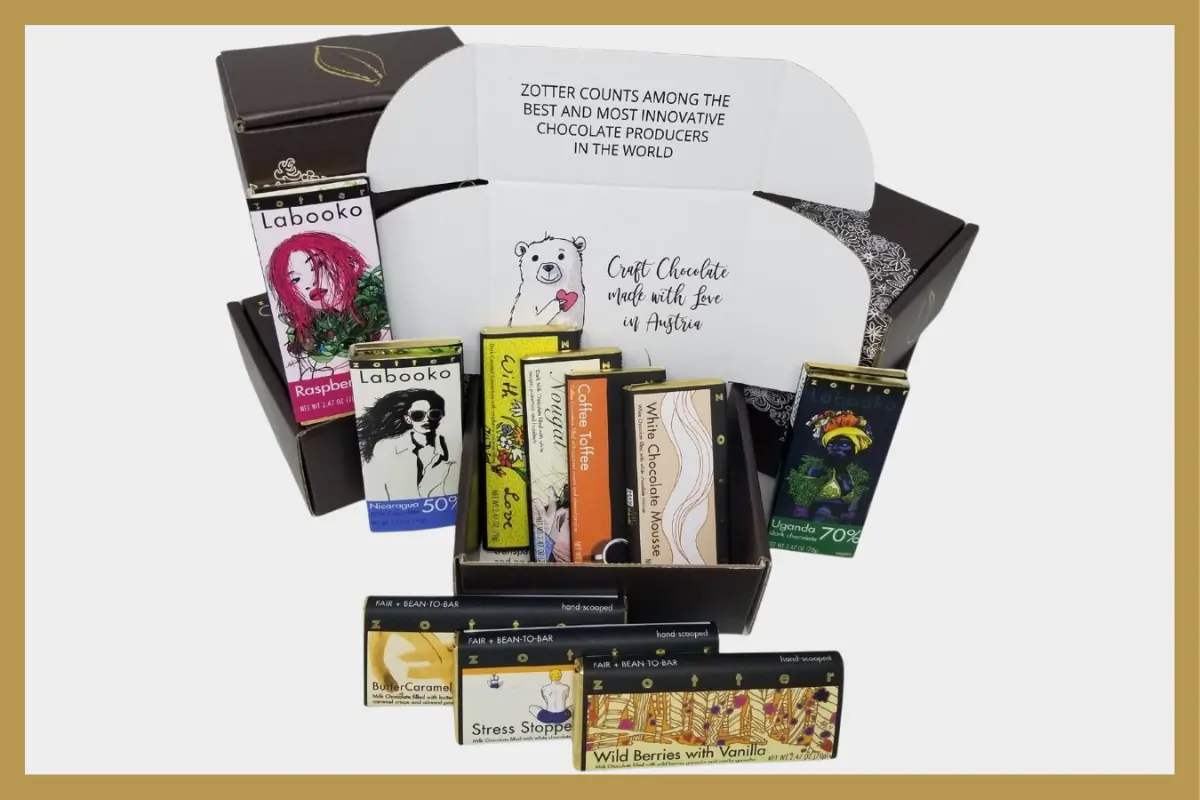
Zotter drinking chocolate is made for this kind of delicious curiosity: a moment to taste beyond the familiar and let cacao take center stage. Put away the phone, choose the cup you love most, and give the chocolate enough time to tell its story.