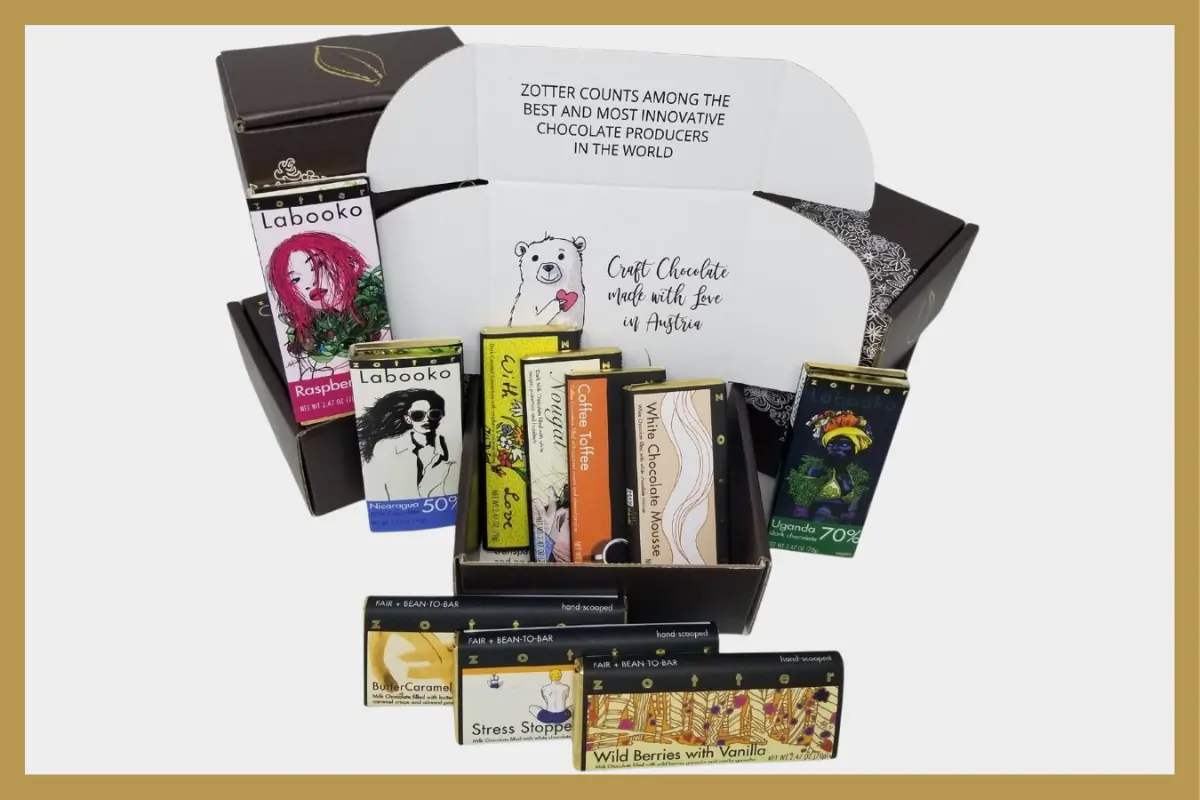

A great chocolate bar should create a small pause in the day: the clean snap, the aroma of roasted cacao, the first slow melt. For shoppers looking for gluten free chocolate, that pleasure should not come with second-guessing. The good news is that gluten free does not have to mean plain, limited, or less indulgent. It simply asks for a more discerning look at what is inside the wrapper and how the chocolate was made.
For anyone with celiac disease, a diagnosed gluten sensitivity, or a household that avoids gluten, ingredient confidence matters as much as flavor. Fortunately, the world of artisan chocolate offers plenty to explore, from dark single-origin bars with bright fruit notes to inventive filled chocolates that layer praline, coffee, spices, and more. The trick is knowing where gluten can appear and what a label can, and cannot, tell you.
What Makes Chocolate Gluten Free?
Pure chocolate begins with cacao beans, cocoa butter, sugar, and often vanilla. None of those ingredients inherently contains gluten. A straightforward dark chocolate bar can therefore be naturally gluten free, but “naturally” is not the same as “verified.” Once a chocolatier adds inclusions, fillings, flavorings, or produces several recipes in one facility, the question becomes more nuanced.
Gluten is a group of proteins found in wheat, barley, and rye. In chocolate, it commonly arrives through obvious additions such as cookie pieces, wafers, brownie crumbs, malt, cereal, or pretzel inclusions. It can also appear in less expected places, including a crunchy praline layer, a flavored cream filling, or a compound ingredient used within that filling.
That is why a bar with an elegant, minimal front label still deserves a glance at the back. A dark chocolate shell may be gluten free while the filling is not. Conversely, a wildly imaginative flavor combination may be perfectly suitable if every component has been selected and handled with care. The wrapper, not assumptions about the flavor, is the final authority.
How to Read a Gluten Free Chocolate Label
Start with the ingredient list. Look beyond wheat for barley, rye, malt, malt extract, malt flavoring, and cookies or wafers whose own ingredients may include gluten. “Wheat-free” is helpful information, but it is not interchangeable with gluten free because it does not address barley or rye.
Next, look for a clear gluten-free claim. In the United States, foods labeled “gluten-free” must meet the Food and Drug Administration standard of containing fewer than 20 parts per million of gluten. For many shoppers, that regulated claim provides meaningful reassurance. If you have been advised by a clinician to take extra precautions, follow the approach that fits your individual needs.
Allergen statements can add useful context, but they are not a complete screening tool. A “contains milk, soy” statement identifies declared major allergens, while gluten sources such as barley may not be captured in the same way. Likewise, a voluntary “may contain wheat” or “made on shared equipment” statement signals possible cross-contact. Some people avoid any product with such language; others make decisions based on their medical guidance and personal tolerance. There is no one-size-fits-all answer.
Finally, check the current package every time you repurchase. Recipes, suppliers, and production practices can change. The chocolate you enjoyed last winter may have a revised ingredient list this season, especially in limited editions and holiday assortments.
Where Gluten Often Hides
The most obvious risks are crunchy, baked, and malted elements. Cookie-studded bars, crisped cereals, biscuit bases, truffles with cake-inspired centers, and malt-forward flavors should all prompt a closer read. Seasonal chocolates deserve special attention because they often lean into gingerbread, speculoos-style spices, pie crusts, and other bakery-inspired textures.
Filled bars require a little extra detective work. A hazelnut praline, caramel, fruit ganache, or nougat filling may be gluten free, but that depends on every ingredient in the recipe. Alcohol-based flavors are not automatically problematic, yet malt-containing spirits or flavor components can be. When the product information is unclear, choosing a plainly labeled alternative is the more enjoyable decision. Chocolate is meant to be savored, not investigated mid-bite.
Cross-Contact Is Part of the Flavor Conversation
For people managing celiac disease, the ingredient list is only half the story. Cross-contact can occur when gluten-containing and gluten-free products share equipment, utensils, storage areas, or production lines. An artisan chocolate maker may create a broad range of bars, including recipes with cookies and wafers, so manufacturing details matter.
This is not a reason to avoid adventurous chocolate altogether. It is a reason to seek transparency. Brands that state dietary information clearly and keep their product details current make it easier to select with confidence. If a product carries a gluten-free label, read it alongside the ingredients and any advisory statements. If it does not, do not assume that a short ingredient list answers every question.
Organic certification, fair trade sourcing, vegan formulas, and bean-to-bar craftsmanship can all be meaningful qualities, but none is automatically a gluten-free guarantee. They speak to different parts of a chocolate’s story: how cacao was grown, how ingredients were sourced, whether dairy is used, and how the bar was crafted. A thoughtful shopper can value all of these things while still treating gluten information as its own essential checkpoint.
Choose Flavor Without Settling
The easiest place to begin is often a pure dark chocolate bar. With fewer ingredients, it offers a focused view of cacao character: red fruit acidity from one origin, toasted nuts and caramel notes from another, or a deep, earthy finish from a higher cacao percentage. But simple does not mean boring. Origin, roast, conching, and cacao percentage can make two seemingly similar dark bars taste entirely different.
Milk chocolate can also be an exquisite gluten-free choice when labeled accordingly. Its creamier profile softens cacao intensity and can highlight flavors such as honey, vanilla, toasted nuts, or gentle spice. For dairy-free shoppers, vegan chocolate opens another rewarding path, though vegan and gluten free are separate designations. Always verify both if you need both.
Once you know how a maker labels its products, the more imaginative end of the chocolate case becomes easier to enjoy. Fruit-forward fillings, nut pralines, coffee, chili, floral notes, and unexpected savory accents can all belong in a gluten-free collection. The best artisan bars balance novelty with restraint. A flavor should amplify the cacao, not bury it under sweetness or gimmicks.
For gifting, a discovery assortment can be especially satisfying, provided each bar is checked individually. It gives the recipient a sense of occasion while creating room for comparison: a silky milk chocolate one day, a vivid dark origin the next, then a filled bar with a surprising center. Zotter’s expansive, hand-scooped style is a reminder that ethical, high-end chocolate can be playful as well as precise.
Store It Well, Then Taste Slowly
Once you have found chocolate that suits your dietary needs, protect the experience. Keep bars in a cool, dry place away from direct sunlight and strong odors. A pantry or cabinet is usually better than a refrigerator, where condensation can affect texture and aroma. If refrigeration is unavoidable in a very warm climate, seal the chocolate tightly and let it return to room temperature before opening.
Taste with attention. Break off a small piece, listen for the snap, and let it melt rather than chew immediately. Notice whether the flavor starts creamy, fruity, roasty, spicy, or nutty, and how it changes at the finish. That slower approach makes a premium bar feel more generous, and it helps you discover which styles you want to seek out next.
The right gluten-free chocolate is not a compromise purchase. It is an invitation to expect more from every square: clear ingredient information, responsible craftsmanship, and a flavor memorable enough to make you reach for the wrapper again.