
Chocolate wine can taste like a velvet dessert in a glass, but it is surprisingly easy to make it feel cloying. The secret to how to pair chocolate wine is not simply adding more chocolate. It is creating contrast, matching intensity, and giving each ingredient enough room to show its character.
Whether your bottle is a chocolate-infused red, a wine with cocoa-rich notes, or a dessert wine poured alongside chocolate, begin with a small serving. Use a wineglass rather than a heavy goblet, serve the wine slightly cool, and set out modest squares of chocolate at room temperature. This is a tasting, not a sugar contest.
How to Pair Chocolate Wine: Start With Sweetness
The most reliable rule is simple: the wine should be at least as sweet as the chocolate, and often a touch sweeter. When the chocolate is sweeter than the wine, the wine can suddenly taste thin, sharp, or overly alcoholic. A sweeter chocolate wine, by contrast, keeps its fruit and cocoa notes intact.
This is why a silky milk chocolate or a filled bar with caramel, nougat, or ganache is often an easy first match. Their creaminess meets the wine where it lives: in the realm of dessert. Choose a chocolate with genuine cocoa character, not just sweetness, so the pairing still has depth.
Dark chocolate calls for more care. An 80% bar can make a softly sweet chocolate wine seem flat, especially if the bar is earthy, roasted, or bitter. Instead, look for a fuller, fruitier chocolate wine with enough residual sweetness to stand up to the cacao. If the wine is lighter, choose dark chocolate closer to 60% to 70%, preferably with a naturally round profile.
Decide What “Chocolate Wine” Means in Your Glass
The phrase can describe two different experiences, and the best pairing changes accordingly. A chocolate-flavored wine often brings obvious cocoa, vanilla, and berry notes, sometimes with a creamy finish. It tends to pair best with ingredients that echo its dessert-like character: caramel, toasted nuts, cherries, raspberries, orange, and gentle warming spice.
A conventional red wine with chocolate notes is different. Think of a bold red whose aroma suggests cacao, espresso, black cherry, or baking spice. Here, the chocolate should not be excessively sweet. A polished dark chocolate with nuts, sea salt, or dark fruit gives the wine a partner rather than turning it into an afterthought.
If you are serving a true dessert wine alongside chocolate, its bright acidity can be an advantage. Port-style wines can carry dark chocolate and walnuts beautifully. Late-harvest wines often shine with milk chocolate, almonds, apricot, or honeyed fillings. The aim is not rigid matching. It is finding a shared flavor thread, then protecting balance.
Choose a Pairing Direction: Echo or Contrast
An echo pairing amplifies flavors that already appear in the wine. A chocolate wine with ripe cherry notes can feel especially luxurious beside a dark chocolate bar with cherry filling. Vanilla-forward chocolate wine finds an easy companion in creamy milk chocolate, praline, or hazelnut. Coffee notes invite cacao with espresso, roasted almond, or a restrained touch of mocha.
Contrast can be even more memorable. A dark chocolate square with flaky sea salt reins in the sweetness of a rich wine and brings out its fruit. Orange or lemon zest in chocolate adds lift to a lush, cocoa-forward pour. Raspberry, passion fruit, and tart cherry fillings offer acidity that keeps the finish clean.
Spice deserves a measured hand. Chili chocolate can work with chocolate wine when the heat is subtle and the wine is rich enough to soften it. Too much heat, however, can make alcohol feel hotter and erase the wine’s nuance. Cinnamon, cardamom, ginger, and pepper are generally friendlier choices because they add aroma without demanding the spotlight.
Pair by Chocolate Style
For a tasting that feels generous rather than random, offer three or four distinct chocolates. That is enough range to reveal what the wine can do without exhausting the palate.
Milk Chocolate and Praline
Milk chocolate is the most forgiving place to begin. Its dairy notes smooth the edges of chocolate wine, while its caramelized sweetness amplifies flavors like vanilla, red berries, and toasted sugar. Hazelnut praline is particularly successful with wines that have a rounded, creamy finish.
The trade-off is subtlety. A delicate wine can disappear beside a very sweet praline filling. If your bottle is not intensely flavored, choose plain milk chocolate or a bar with crisp, roasted nuts rather than a liquid caramel center.
Dark Chocolate and Cacao-Rich Bars
Dark chocolate gives a more dramatic result, especially with fruit-forward chocolate wine. Look for flavors such as black cherry, plum, blackberry, or currant in the glass, then choose a dark bar with a smooth, balanced roast. A dark chocolate containing whole almonds or a touch of salt can add welcome texture and restraint.
Avoid pairing an aggressively bitter bar with a sweet, low-acid chocolate wine. Neither will improve the other. The wine may taste syrupy, while the chocolate becomes more astringent. A moderately dark bar is usually the more elegant decision.
Fruit-Filled Chocolate
Fruit is the shortcut to freshness. Cherry, raspberry, strawberry, orange, and black currant are natural with chocolate wine because they mirror familiar red-wine and cocoa flavors. Tart fillings are especially useful when the wine is very rich, adding a clean, mouthwatering finish after each bite.
Choose fillings made with real fruit character rather than candy-like sweetness. A bright raspberry ganache can make a deep cocoa wine feel more alive. Orange can be glorious with a vanilla- or spice-led chocolate wine, but a heavily perfumed orange filling may overwhelm a lighter bottle.
Nuts, Salt, and Savory Accents
Nuts give chocolate wine structure. Hazelnut leans into dessert richness, while almond and pecan bring a drier, toastier quality. Sea salt is a quiet overachiever: a few crystals can lower the perception of sweetness and emphasize cocoa depth.
More adventurous savory ingredients require attention. Olive oil, sesame, rosemary, and cheese-inspired chocolates can be beautiful with a structured red that has chocolate notes, but they may clash with a clearly sweet, chocolate-flavored wine. When in doubt, save the savory bar for the end and taste it separately before committing.
Serve the Tasting With Intention
Temperature changes everything. Chocolate wine is usually most appealing lightly chilled, around cellar temperature or just below room temperature, rather than ice-cold. Excessive chill mutes aroma and can make sweetness feel blunt. Chocolate should be cool room temperature, never refrigerator-cold, so it melts gradually and releases its aroma.
Taste the wine alone first. Take a small bite of chocolate, let it melt, then sip the wine again. Notice whether the finish becomes smoother, brighter, fruitier, or too sweet. Sip water between pairings, especially after dark or spice-forward chocolate, and move from lighter, creamier pieces toward darker and more intense ones.
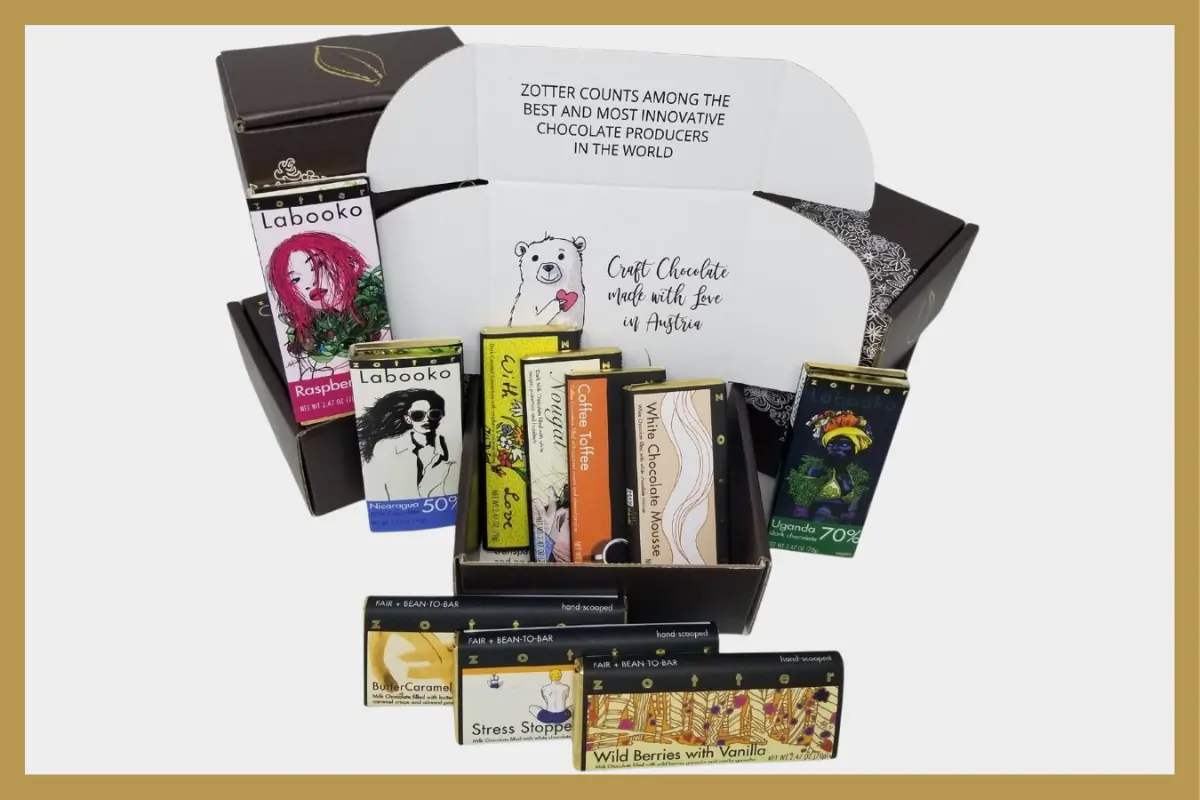
For a gift-worthy at-home flight, select one milk chocolate, one fruit-filled chocolate, one dark chocolate, and one nut or salted bar. Zotter’s broad, hand-scooped assortment makes this style of exploration especially fun because the flavors are designed to be distinct, not interchangeable. Keep portions small and return to your favorite pairing at the end. A second taste often reveals more than the first.
A Few Pairings That Commonly Miss
Chocolate wine and white chocolate can be wonderfully indulgent, but it is easy to cross into pure sweetness. Add a salted nut, citrus element, or a wine with enough acidity to keep the pairing from becoming heavy. Likewise, mint chocolate can dominate the glass and make the wine taste oddly medicinal unless the wine is exceptionally bold.
Very high-cacao chocolate, fiery chili, and intensely smoky bars are not impossible matches. They simply demand a wine with real concentration and sweetness. If your bottle is soft, creamy, and dessert-like, let it shine with fruit, caramel, nuts, or salt instead of asking it to fight bitterness and heat.
The best chocolate wine pairing should leave you curious for one more sip, not ready for a reset. Trust your palate, follow the flavors that brighten each other, and let a single exceptional square turn the glass into an occasion.