
A chocolate bar can name a country, carry an organic seal, and taste wonderfully intense – yet still leave the most interesting questions unanswered. Who grew the cacao? How was it bought? Was it kept separate from other beans? What happened between the harvest and the finished bar? Cocoa traceability is the practice of being able to follow those details through the supply chain, and it gives a premium chocolate purchase far more depth than a pretty wrapper ever could.
For chocolate lovers, traceability is not a dry logistics term. It is part of provenance, flavor, and trust. It turns a bar from an anonymous sweet into a small, edible record of agricultural skill, careful sourcing, and craft.
What cocoa traceability actually means
At its simplest, cocoa traceability is the ability to track cacao from a known point of origin through buying, transport, processing, and chocolate making. The depth of that record can vary enormously.
A broad claim might identify cacao from a producing country such as Peru, Madagascar, or Ghana. That is useful, but a country is not a single flavor profile or a single farming reality. More detailed traceability may identify a region, cooperative, community, estate, or individual farm group. The most specific programs can document lots of beans and follow them through each handoff until they reach the chocolate maker.
This distinction matters because cacao often moves through a long chain. Smallholder farmers may sell wet beans, dried beans, or fermented beans to a local collector. Beans can then be combined, stored, exported, cleaned, and processed before they ever arrive at a factory. Every transfer creates a question: can this cacao still be connected to the people and place where it began?
Traceability does not necessarily mean that every bean in a bar came from one named farm. For many small farms and cooperatives, combining harvests is practical and economically necessary. What matters is that the producer and chocolate maker can clearly describe what is known, what has been combined, and how the supply chain is managed.
Why traceability belongs in a premium chocolate experience
High-end chocolate is often purchased for discovery. You want the bright red-fruit character of one origin, the deep nutty notes of another, or an unexpected filling that feels more like a pastry chef’s creation than a conventional candy bar. Traceable cacao supports that sense of place.
Origin shapes flavor, but not by itself
Cacao flavor begins in the field, but it does not stop there. Variety, soil, rainfall, shade, harvest timing, fermentation, drying, storage, roasting, conching, and recipe development all play a role. Two lots grown in the same country can taste dramatically different. A careful traceability system helps a maker understand where a particular flavor expression began and source with greater intention.
That does not mean more detailed origin is automatically better chocolate. A beautifully run regional cooperative can produce exceptional cacao, while a single-estate claim says little on its own about flavor or quality. The proof is in thoughtful sourcing and, ultimately, in the bar itself. Still, specificity gives a chocolate maker a stronger foundation for consistency and a more compelling story to share with the person enjoying it.
Fairness requires more than a feel-good claim
Cacao is grown largely by smallholder farmers, and cocoa supply chains have long faced serious challenges involving low farmer income, labor conditions, deforestation, and limited visibility at the farm level. Traceability is not a magic fix for any of them. It is, however, a necessary tool for addressing them honestly.
If a company cannot identify where its cocoa comes from, it has far less ability to assess working conditions, support farmer training, verify sourcing requirements, or respond when problems emerge. Better visibility can help buyers direct premiums, build longer-term relationships, and understand whether their purchasing practices are helping create viable livelihoods.
Certifications, including organic and fair trade standards, can provide meaningful frameworks and independent checks. They should be viewed as valuable evidence rather than the entire story. Certification requirements differ, and no label can replace ongoing accountability, transparent communication, and responsible purchasing at a scale that works for growers.
Separation can preserve both integrity and character
When cacao from different sources is mixed, it can become difficult to make precise claims about a finished product. This is where chain-of-custody models matter. In identity-preserved systems, cacao remains physically separate from a specific source. Segregated systems keep certified or defined material separate from conventional supply, though it may be combined with other qualifying sources. Mass-balance systems allow certified volumes to be accounted for across a broader supply chain without requiring physical separation in every product.
None of these models is inherently dishonest when explained clearly. They serve different supply-chain realities. But they are not interchangeable. A shopper looking for the distinctive character of a specific origin will care deeply about physical separation. A shopper focused on supporting certified production at scale may find a mass-balance approach meaningful, provided the brand is straightforward about what it means.
What to look for when choosing traceable chocolate
The best questions are simple and pleasantly revealing. Does the chocolate name a country only, or a region, cooperative, or farm? Does the brand explain how it sources its cacao and what standards guide those relationships? Are organic and fair trade claims specific rather than decorative? Is there enough information to understand whether the maker is speaking about actual beans in the bar or a broader sourcing program?
You do not need a spreadsheet to enjoy chocolate. A clear origin statement, credible certifications where applicable, and a brand that can explain its sourcing in plain language are excellent places to start. Thoughtful makers do not treat these details as fine print. They recognize that provenance is part of the pleasure.
Be alert to vague language that sounds impressive but provides no point of reference. Terms like “ethical,” “responsible,” or “sustainably sourced” can signal a real commitment, but on their own they do not tell you how a company verifies that commitment. Specificity is more useful than grandeur.
It also helps to separate two ideas that are often bundled together: traceability and direct trade. Direct relationships may shorten the chain between buyer and producer, but the term is not universally regulated. A direct-trade claim can be meaningful when accompanied by details about purchasing relationships, prices, quality work, and producer partnerships. It should not be treated as automatic proof of every social or environmental outcome.
The craft continues after the cacao arrives
Traceability invites respect for growers, yet it should never erase the artistry that happens after harvest. Great cacao deserves great chocolate making. Roasting can amplify floral notes or bring forward roasted depth. Grinding and conching shape texture. The balance of cacao, sugar, milk, spices, fruit, nuts, or a wildly imaginative filling determines what the eater experiences.
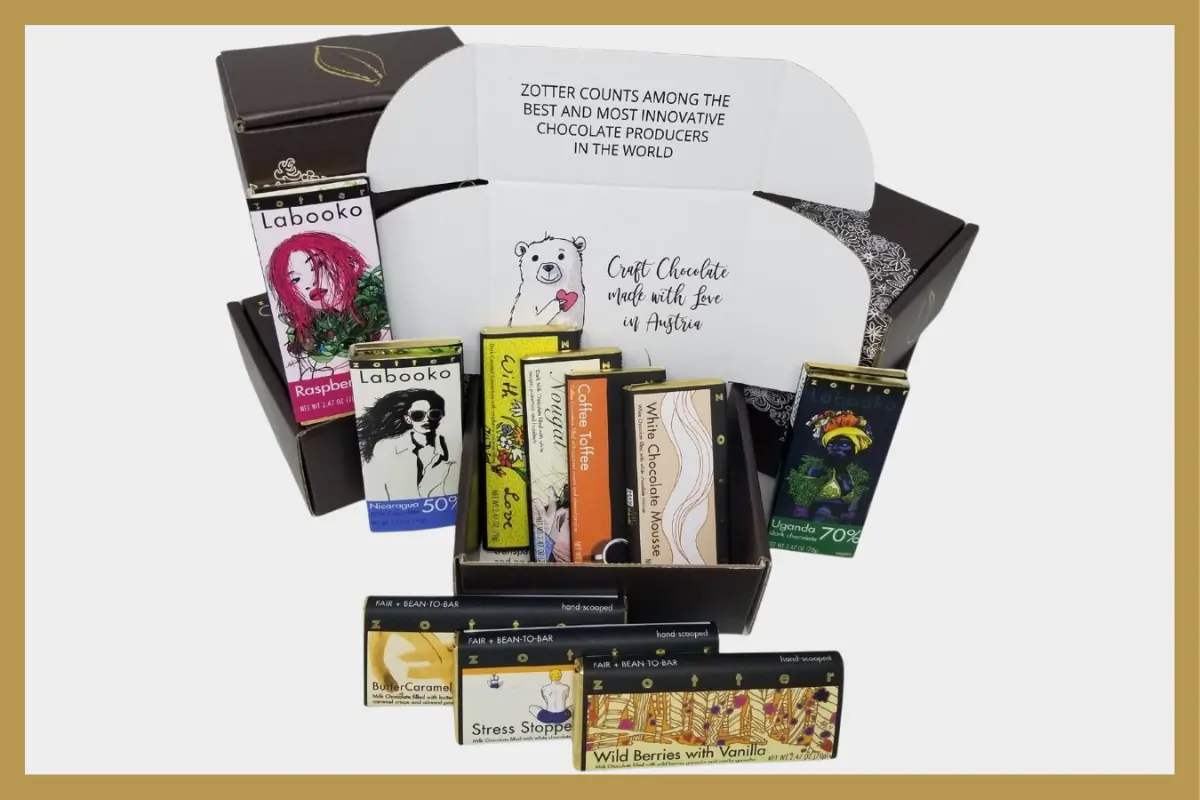
That is why an adventurous assortment can still be ethically grounded. A dark bar with a vivid fruit filling, a vegan creation with surprising crunch, or a hand-scooped bar inspired by a favorite dessert can begin with carefully sourced cacao and end as a joyful act of culinary imagination. Zotter’s bean-to-bar approach reflects that connection between transparent ingredients and unapologetically creative flavor.
For gift buyers, traceability adds a different kind of luxury. It gives the recipient something worth talking about after the ribbon comes off: not only a beautiful chocolate bar, but a story of origin, craft, and considered choices. For serious chocolate enthusiasts, it offers a reason to compare bars side by side and notice how origin and process show up on the palate.
A better question to bring to the chocolate shelf
Rather than asking whether a bar is simply “ethical,” ask what the brand can tell you about the cacao’s path. The answer may be a named cooperative, a region, a certification, a purchasing relationship, or a candid explanation of a supply-chain model. Each detail helps you make a more informed choice.
Then take a moment with the chocolate itself. Let it melt slowly, notice the first flavor and the finish, and consider that the most memorable bar is rarely just about sweetness. It is about knowing that exceptional flavor came from somewhere – and that someone took care not to lose that story along the way.