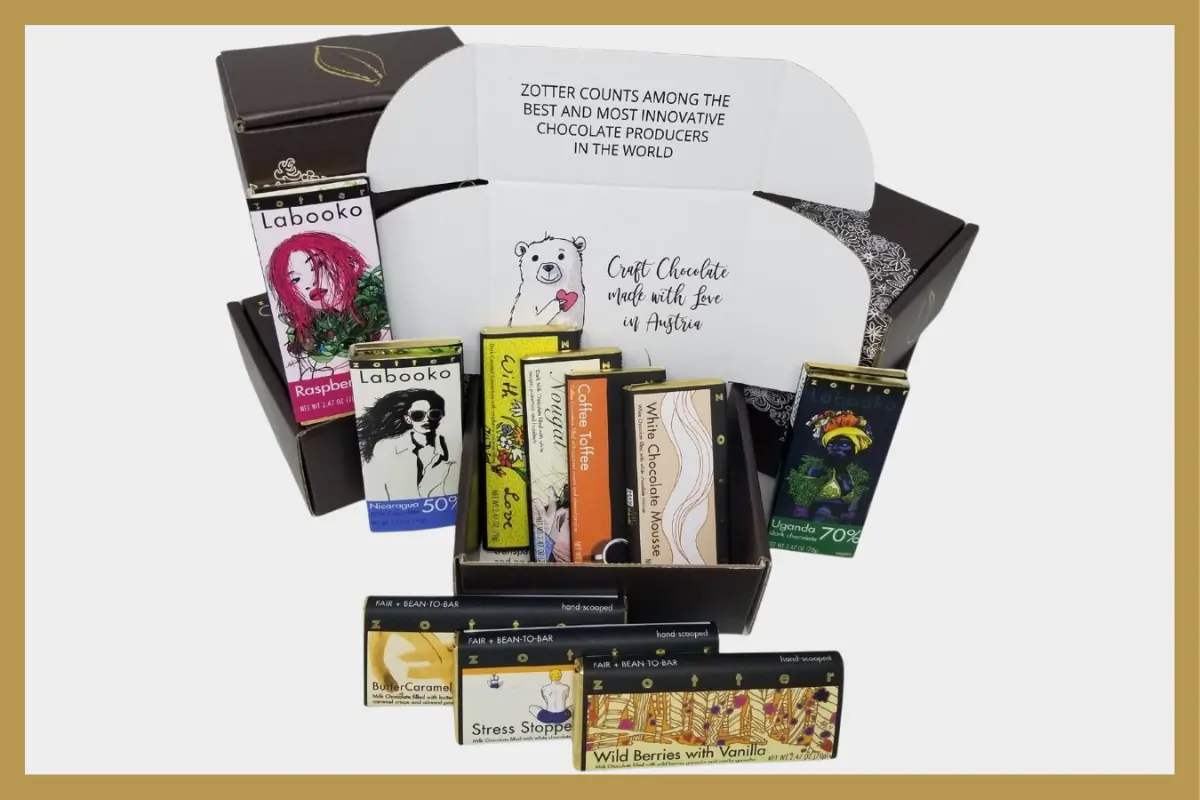

A filled chocolate bar is more than chocolate around a center. It may hold silky ganache, bright fruit, nut praline, caramel, marzipan, coffee, spirits, or a surprising savory note. So, are chocolate fillings perishable? Some certainly can be, but the answer is not as simple as checking whether a filling contains dairy, fruit, or nuts.
The real question is whether the finished confection is formulated, produced, packaged, and stored to remain safe and delicious at room temperature. For a premium filled chocolate, freshness is also about far more than food safety. It is the difference between a snappy shell and a soft one, a fragrant hazelnut center and a muted one, or a lively fruit layer and a flavor that has lost its spark.
Are Chocolate Fillings Perishable? It Depends on the Center
Chocolate itself is relatively stable. Its low moisture content makes it an inhospitable place for most microbial growth. Fillings, however, bring their own chemistry to the bar.
A soft ganache made with cream has a different shelf-life profile than a firm almond praline. A fruit puree may contribute more available moisture than a nut butter. A liqueur filling can have some preservative benefit from alcohol, while a caramel’s sugar concentration helps bind water. None of these details alone tells the full story, but together they determine how long a confection holds its intended quality and whether it requires more careful handling.
The key concept is water activity – the amount of water available for microorganisms to use, rather than the total amount of water in an ingredient. Skilled chocolatiers manage water activity through recipe design, sugar content, fat content, acidity, alcohol where appropriate, and exact production methods. This is why a properly made, commercially packaged cream-filled chocolate can be shelf-stable for a defined period, while a homemade truffle made with fresh cream may need refrigeration and a much shorter window.
For the shopper, the practical takeaway is reassuring: do not judge a bar solely by the ingredient list. Follow its best-by date and any storage instructions from the maker. Artisan chocolate is carefully composed, but every filling has its own ideal moment.
What Changes the Shelf Life of Filled Chocolate?
High-moisture ingredients deserve the closest attention
Ganache, fresh dairy, fruit preparations, and liquid centers generally need the most formulation control. They can be perfectly suitable in a shelf-stable chocolate bar, yet they tend to have a shorter optimal life than simple solid chocolate or low-moisture nut fillings.
That does not mean a fruit-filled bar is fragile by default. Fruit can be cooked, concentrated, acidified, or balanced with sugar and fats to create a stable center. Still, the fruit flavor may soften over time, even when the product remains within its best-by date. If you bought a bar for its raspberry, passion fruit, or citrus character, enjoying it sooner usually delivers the most vivid experience.
Fat-rich fillings are stable, but not forever
Praline, gianduja, nut butters, sesame, and coconut-based centers are often low in available moisture, which supports a longer shelf life. Their main enemy is oxidation: fats can gradually turn stale or rancid when exposed to heat, oxygen, or light.
This is one reason premium chocolate belongs somewhere cool, dark, and odor-free. A sunlit kitchen counter may not make a sealed bar unsafe overnight, but repeated warmth takes a toll on delicate cocoa butter and aromatic nut oils. The chocolate can lose its clean snap, while the filling loses some of its depth.
Packaging and production matter as much as ingredients
A luxury bar’s wrapper is not merely decorative. It helps protect the chocolate from air, humidity, light, and unwanted aromas. Chocolate readily absorbs strong smells, so storing it beside onions, spices, scented candles, or an open bag of coffee is not ideal.
Professional production also brings controls that home kitchens often cannot replicate consistently. Measured recipes, hygienic handling, moisture management, tempering, and protective packaging all contribute to a predictable shelf life. That is why an artisan manufacturer can provide a reliable best-by date for an elaborate filled bar.
Best-By Dates Are About Peak Pleasure
A best-by date typically signals the period during which the maker expects the chocolate to deliver its best flavor, texture, and appearance. It is not always the same as a strict safety expiration date. A sealed bar stored correctly may still be enjoyable after that date, particularly if it has a dry, fat-based filling.
But there is a trade-off. Chocolate is a sensory ingredient, and the point of an exquisite hand-scooped bar is not simply that it remains edible. It is that the layers taste intentional: the cocoa, the filling, the texture, the finish. For the fullest expression of an adventurous flavor combination, eat it before the best-by date whenever possible.
Use extra caution with products that have been opened for a long time, left in hot conditions, damaged in transit, or stored in a humid environment. If the package calls for refrigeration after opening, follow that direction precisely.
How to Store Filled Chocolate for Its Best Flavor
For most packaged chocolate bars, a cool, dry cabinet is better than the refrigerator. The sweet spot is generally around 60 to 68°F, away from direct sunlight and dramatic temperature swings. A pantry or interior cupboard often works well, provided it is not near an oven, dishwasher, or heat vent.
Keep the bar in its original wrapper until you are ready to enjoy it. Once opened, wrap any remaining portion tightly and place it in an airtight container. This limits exposure to oxygen and protects the chocolate from aromas in the room.
Refrigeration is sometimes necessary, especially in very warm homes or during a heat wave. If you refrigerate chocolate, seal it carefully in an airtight container first. When you are ready to eat it, let the closed container come slowly to room temperature before opening it. This helps prevent condensation, which can leave a pale, grainy-looking sugar bloom on the surface.
Bloom can look alarming, but it is often a quality issue rather than a safety issue. Fat bloom occurs when cocoa butter rises and recrystallizes on the surface; sugar bloom occurs when moisture dissolves sugar and it recrystallizes as the chocolate dries. Either can affect texture and appearance, but neither automatically means the filling has spoiled.
When Should You Throw Filled Chocolate Away?
Trust the package first, then use your senses with good judgment. A bar that is far beyond its best-by date, has been stored improperly, or shows clear signs of damage should not be a casual tasting experiment.
Discard filled chocolate if you notice a swollen or leaking package, visible mold, an unusually wet or separated center, or a distinctly sour, fermented, or rancid smell. A dusty white coating alone is more likely bloom, but an odd odor or suspicious filling is a different matter. When in doubt, especially with a dairy- or fruit-forward center, choose caution over curiosity.
For gifting, freshness deserves a little planning. Buy closer to the occasion when you can, store the bars properly, and avoid leaving a premium assortment in a warm car or on a porch. The recipient should experience the chocolate as its maker intended: polished, expressive, and full of surprise.
At Zotter, the joy of a filled bar lies in that moment when the shell gives way and the center reveals its character. Give that craftsmanship a cool, calm place to rest, then enjoy it while every flavor is still speaking clearly.