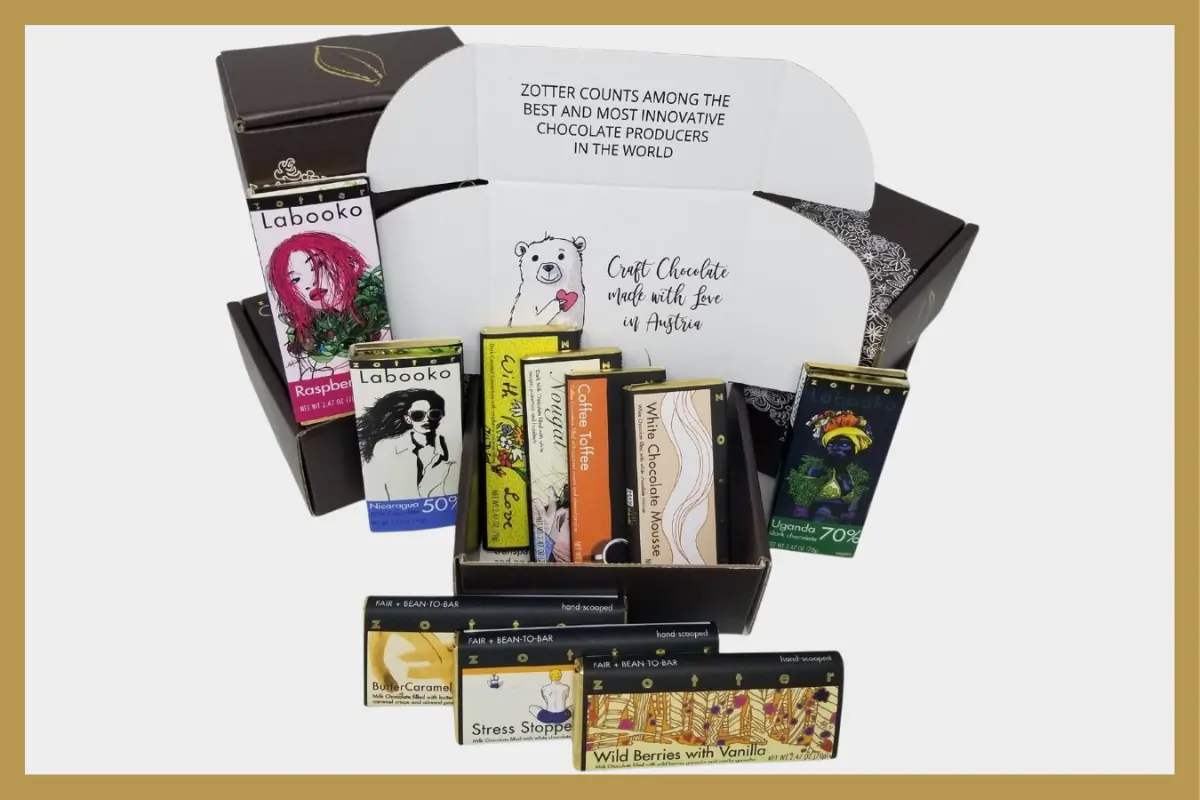

A 70% bar can be lush with red-fruit brightness, deeply roasted and bitter, or almost caramel-like. A 50% bar can taste elegantly cocoa-forward rather than sugary. That is the first useful truth in any cacao percentage buying guide: the number on the wrapper is a starting point, not a flavor verdict.
Cacao percentage tells you how much of a chocolate bar comes from cocoa ingredients, generally cocoa mass and cocoa butter. The remaining portion may include sugar, milk powder in milk chocolate, and other ingredients. It offers a quick clue about sweetness and intensity, but it cannot tell you everything that matters: bean origin, roast, grinding, texture, filling, and the maker’s point of view all shape what happens when the chocolate melts.
For a more rewarding bar, read the percentage as one part of a larger invitation to taste.
What Cacao Percentage Actually Means
When a label says 70% cacao, it means 70% of the recipe is derived from cacao. That total usually combines cocoa solids, which bring much of the recognizable chocolate flavor, and cocoa butter, which contributes fluidity, richness, and a refined melt. The other 30% is often largely sugar, although a maker may also include vanilla, spices, or a small amount of another ingredient.
Higher percentages commonly mean less sugar, so they often taste less sweet. But “higher” does not automatically mean “better,” more sophisticated, or more intense in every way. A carefully made 60% chocolate can deliver clearer cocoa character than a poorly balanced 85% bar. Likewise, cocoa butter counts toward the percentage but does not create the same roasted, earthy flavor as cocoa solids. Two bars with the same number can therefore feel remarkably different.
Think of the percentage as a useful coordinate, not the entire map. It helps you choose a starting range, then origin and style help you find the bar you will want again.
A Cacao Percentage Buying Guide by Taste Preference
If you like a gentle, creamy entry point
Look around 35% to 50%, especially if you enjoy milk chocolate, caramel notes, or a particularly soft melt. At this range, milk and cocoa can work in harmony, offering a rounded profile with enough sweetness to feel immediately comforting. It is also an excellent place to begin if you usually reach for dessert rather than a sharply bitter espresso.
Do not confuse this range with a lack of complexity. Fine milk chocolate can show toasted nuts, malt, honey, cream, and gentle fruit notes. It is a beautiful choice for gifting when you do not know the recipient’s exact chocolate preferences, and it often pairs effortlessly with coffee, tea, and fresh berries.
If you want balance, not bitterness
The 55% to 70% range is where many premium chocolate lovers settle in. There is enough cacao to bring depth and a lingering finish, while the sugar remains present enough to soften sharper edges. These bars can move from nutty and biscuit-like to floral, citrusy, or berry-bright depending on the beans and the maker.
If you are buying your first serious dark chocolate, start near 60% or 65%. This range gives you room to notice origin character without asking your palate to adjust to a very dry or intensely bitter bar. It is also versatile at the table: substantial enough for an after-dinner square, yet approachable enough to share.
If you enjoy bold, cocoa-led flavor
Choose 70% to 85% when you want less sweetness and a more direct encounter with cacao. A well-made bar in this range can be vivid rather than severe, with notes that recall cherries, citrus peel, roasted nuts, black tea, tobacco, or warm spice. The finish tends to be longer, and a small piece can feel wonderfully complete.
This is a range where origin becomes especially exciting. Cacao from different growing regions can express dramatically different personalities, and thoughtful roasting preserves those distinctions. If a bar at 75% feels too bitter, do not write off the whole category. Try a different origin, or step down to 70%, where a little more sugar may bring the fruit and florals into focus.
If you prefer uncompromising intensity
Bars above 85% are for those who genuinely enjoy concentrated cacao character. They may be dry, earthy, tannic, smoky, or strikingly fruity. Their appeal is not simply that they contain less sugar. The pleasure comes from slowing down and noticing how the flavor develops from the first snap to the final finish.
These percentages are not always the best choice for baking, casual snacking, or a crowd-pleasing gift. They shine when you want a deliberate tasting moment, perhaps alongside a full-bodied coffee, aged spirit, or simply a glass of water. Choose a maker with careful bean selection and refined texture, because craftsmanship is especially visible when there is nowhere for excess sweetness to hide.
Percentage Is Only One Part of the Wrapper
A great chocolate purchase asks a few questions beyond “How dark is it?” Start with ingredients. A short, considered ingredient list often gives cacao room to speak, while added milk, nuts, fruit, spices, and fillings create an entirely different kind of experience. Neither approach is inherently superior. A pure origin bar and a hand-scooped filled bar answer different cravings.
Next, consider origin. Single-origin chocolate can reveal the character of cacao from a particular country or region, while blends are designed to create a balanced, consistent profile. If you love discovery, tasting two bars at the same percentage from different origins is one of the clearest ways to understand why the number alone cannot predict flavor.
Texture deserves equal attention. Fine chocolate should melt gradually and feel smooth, not waxy or gritty. Cocoa butter supports that elegant melt, which is why a bar with a high cacao percentage can still feel luxurious rather than austere. A clean snap is pleasing, but the real magic happens after the first bite, as the chocolate warms and releases its aroma.
Finally, look for values that match your own. Organic and fair trade sourcing matter because exceptional chocolate begins long before the bar is wrapped. Responsible purchasing supports a supply chain where quality, farmer relationships, and environmental care are treated as part of the finished product, not as an afterthought.
How to Choose for Gifts, Pairings, and Everyday Treats
For a gift, avoid treating the highest percentage as the most impressive option. Choose according to the person. A caramel lover may be delighted by a creamy milk chocolate or a playful filled creation, while a dark-chocolate devotee may appreciate a 70% origin bar with a distinctive fruit profile. A discovery assortment is often the most generous answer when you want to give both luxury and choice.
For pairing, medium-dark chocolate around 60% to 75% is exceptionally flexible. Fruit-forward bars can echo berry desserts or bright red wine. Nutty, roasty profiles sit beautifully with coffee. Creamier chocolates flatter black tea, bourbon, and baked pastries. Very high-percentage bars tend to hold their own best beside equally intense companions.
For everyday enjoyment, buy the percentage you will actually reach for. The ideal bar is not a badge of discipline. It is the one that makes you pause, take another square, and notice something new. Zotter’s expansive range makes that kind of tasting especially playful, from pure cacao expressions to imaginative filled chocolate combinations.
A Simple Way to Train Your Palate
Try a small comparison at home: choose three bars, perhaps 50%, 70%, and 85%, and taste them in that order. Let each piece melt instead of chewing immediately. Notice sweetness first, then acidity, roast, texture, and the finish. Keep a few simple notes, such as “dried cherry,” “coffee,” “cream,” or “too dry for me.”
Then repeat the exercise with two bars at the same percentage from different origins. This is where many shoppers have their aha moment. The cacao percentage may match, yet one bar can seem sunny and tropical while the other is dark, nutty, and wine-like.
Your best percentage is not fixed. It may be 45% with afternoon coffee, 70% after dinner, and a boldly filled bar whenever the occasion calls for a little surprise. Let the number guide your first choice, then let your own palate make the final call.