
A square of chocolate filled with blue cheese or brightened by rosemary asks more of the palate than a familiar caramel. That is precisely the appeal. The top unusual chocolate flavors turn a small indulgence into a tasting experience, where cacao’s bitterness, acidity, fruitiness, and depth have room to meet ingredients from the savory kitchen, spice cabinet, and cocktail bar.
For adventurous chocolate lovers, novelty alone is not enough. A surprising filling has to earn its place: it should sharpen the chocolate, bring contrast, or reveal a note that was there all along. The best pairings feel audacious at first, then completely logical by the second bite.
What Makes an Unusual Chocolate Flavor Work?
Fine chocolate is remarkably versatile. Dark chocolate can carry smoke, coffee, malt, and warm spices with confidence. Milk chocolate welcomes salt, nuts, and gentle savory notes, while white chocolate provides a creamy canvas for tart fruit, herbs, and floral ingredients. The cacao percentage matters, but balance matters more.
A successful unconventional bar also needs texture and restraint. Chili should leave a slow warmth rather than overwhelm the cacao. Cheese needs fruit or nuts to temper its richness. Vinegar needs sweetness and fat to round its edges. These are not gimmicks when the ingredients are thoughtfully sourced and the chocolate is made with real attention to its character.
12 Top Unusual Chocolate Flavors to Seek Out
1. Miso Caramel
Miso and chocolate share an affinity for depth. The fermented soybean paste brings salt, umami, and a subtle toasted quality that makes caramel taste less sugary and more complex. It is especially compelling in milk chocolate, where the dairy notes soften the miso’s savory edge.
Choose this flavor if you like salted caramel but want a more grown-up interpretation. A cup of roasted green tea or a dry cider makes an excellent companion.
2. Chili
Chili chocolate is a classic for a reason, yet it is still unusual when handled well. The best versions use a measured heat that arrives after the chocolate begins to melt, creating a warm finish instead of a blunt burn. Fruity chilies can amplify the berry-like notes in cacao, while smoky chilies suit darker, more intense chocolate.
The trade-off is straightforward: heat can quickly flatten delicate origin character. Look for chocolate where the spice supports rather than masks the cacao.
3. Blue Cheese, Walnut, and Grape
Cheese in chocolate sounds confrontational until you consider the logic of a cheese board. Blue cheese contributes tang and funk, walnuts add bitterness and crunch, and grape brings sweetness and acidity. Together, they create a sophisticated contrast against dark chocolate.
This is a flavor for the person who orders the cheese course before dessert. Enjoy it slowly with a full-bodied red wine, tawny port, or sparkling water if you want the filling to take center stage.
4. Olive Oil and Sea Salt
High-quality olive oil can be grassy, peppery, buttery, or green-fruited. Paired with dark chocolate and a flicker of sea salt, it gives the bar a silky mouthfeel and a savory finish that feels distinctly Mediterranean.
It depends heavily on ingredient quality. Flat, old oil will taste greasy, while fresh extra-virgin olive oil can make cocoa flavors seem more vivid. This is a deceptively minimal combination with a very luxurious result.
5. Balsamic Vinegar
Aged balsamic has concentrated sweetness, tartness, and dried-fruit depth, all of which can work beautifully with chocolate. It is less about tasting sharp vinegar and more about adding a dark, glossy note similar to fig, cherry, or molasses.
Milk chocolate gives this pairing softness, while dark chocolate makes it more dramatic. If you enjoy chocolate-covered cherries or berry-forward cacao, balsamic is a natural next step.
6. Rosemary
Rosemary’s piney aroma can bring an unexpected lift to chocolate, particularly creamy white chocolate or mellow milk chocolate. It suggests a garden after rain, but only when used sparingly. Too much herb can make a bar taste medicinal.
The most elegant rosemary chocolates use the herb as an aromatic accent, not the main event. Serve one after dinner with shortbread, almonds, or a citrus-forward tea.
7. Curry and Coconut
Curry chocolate can range from warmly spiced and sweet to genuinely savory. Coconut provides richness and a gentle sweetness, while spices such as turmeric, coriander, ginger, cumin, or fenugreek build complexity. The result often resembles a refined dessert inspired by South Asian or Southeast Asian flavor traditions.
This is a pairing worth approaching with curiosity and respect. “Curry” is not one flavor, and the best chocolates are specific about the spice balance rather than relying on heat alone.
8. Pumpkin Seed
Roasted pumpkin seeds bring a nutty, earthy flavor and a satisfying crunch. In chocolate, they can recall toasted grains, sunflower seeds, and hazelnuts, with a greener, more savory character than most nuts.
They are particularly good with dark milk chocolate, where cacao, creaminess, and roast all meet in the middle. A pinch of salt can turn this into an exceptionally snackable bar without making it feel ordinary.
9. Bacon
The pleasure of bacon chocolate lies in the meeting of smoke, salt, fat, and sweetness. It is undeniably bold, but it can be exceptionally balanced when the bacon is crisp, the smoke is restrained, and the chocolate is not overly sweet.
This is not an everyday choice for everyone, especially for those who prefer a clean, fruit-forward cacao profile. For the curious, it works beautifully as part of a tasting lineup alongside coffee, bourbon, or a smoky black tea.
10. Passion Fruit and Pepper
Tart tropical fruit gives chocolate immediate energy. Passion fruit has a floral, almost electric acidity that slices through creamy fillings and gives dark chocolate a bright, juicy edge. Add a gentle pepper note, and the flavor becomes both refreshing and lingering.
It is a useful reminder that unusual does not have to mean heavy or savory. Fruit-and-spice bars are often the easiest entry point for someone building confidence beyond classic praline and hazelnut.
11. Coffee and Cardamom
Coffee and chocolate are natural partners, but cardamom changes the conversation. Its citrusy, resinous perfume can pull out hidden floral notes in cacao while giving roasted coffee a lighter, more aromatic finish.
This combination suits people who enjoy espresso, chai, or Scandinavian-style baking. It is also an excellent morning or afternoon chocolate, especially when paired with a real cup of coffee rather than saved for dessert.
12. Beer or Malt
Malt, stout, porter, and other beer-inspired notes bring toast, cocoa, dried fruit, and a trace of bitterness to chocolate. They work best with dark chocolate, which can echo the roasted grains without becoming cloying.
Alcohol-forward fillings are not for every occasion, and a bar can feel too boozy if the flavor is not integrated. But when it is, beer chocolate offers the kind of dark, layered finish usually associated with a well-made dessert or after-dinner drink.
How to Taste Adventurous Chocolate Without Missing the Point
Start with a small bite and let it melt rather than crunching through it immediately. Notice the first impression, then the middle, then the finish. Unusual ingredients often reveal themselves in stages: a creamy opening, a flash of fruit or spice, then a savory or roasted aftertaste.
Taste from lighter to darker, milder to more intense. White chocolate with herbs or fruit usually comes before dark chocolate with chili, malt, or blue cheese. Keep water nearby, and avoid strongly flavored gum, coffee, or perfume just before tasting if you want to catch the finer details.
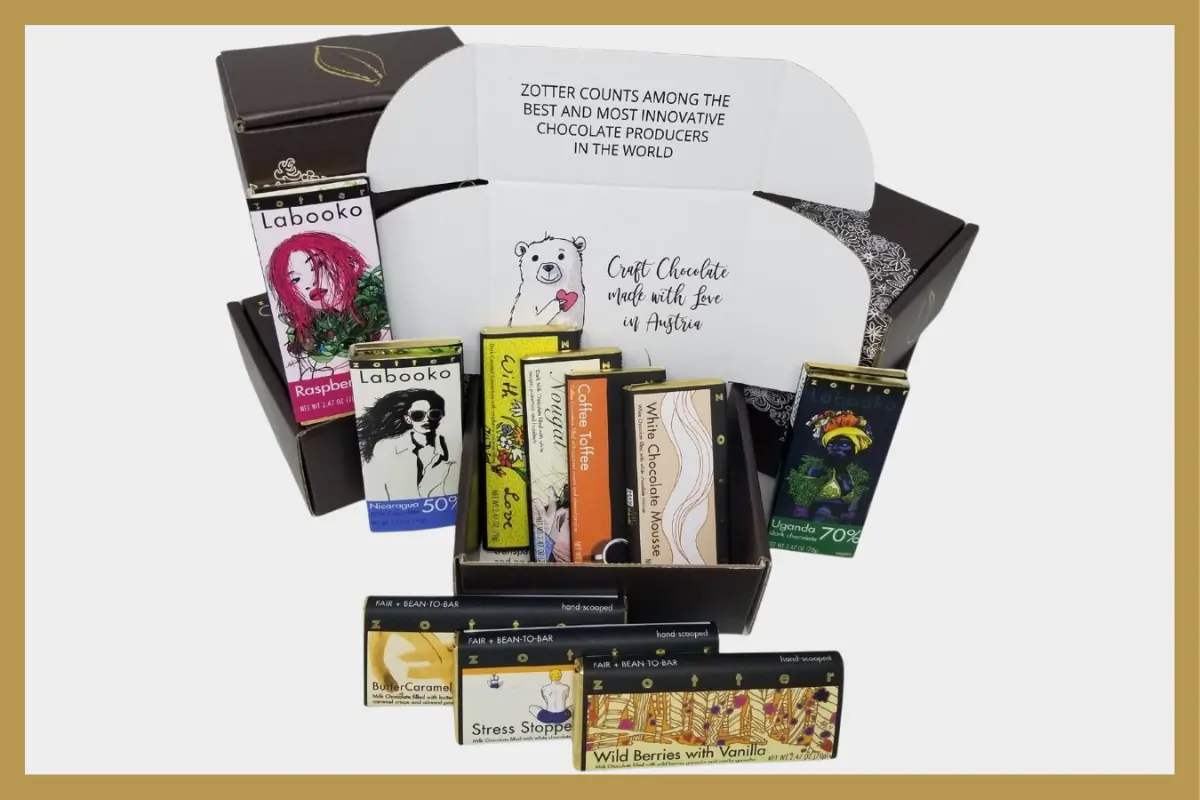
If a full bar of one flavor feels like a commitment, a discovery assortment is the smarter route. Zotter’s hand-scooped approach is made for this kind of exploration: a curated selection lets you compare contrasting fillings and find the combinations that feel surprising in the right way.
Let Curiosity Lead, Not Shock Value
The most memorable unusual chocolate is not the flavor that makes the loudest first impression. It is the one that makes you pause, take another square, and realize that cacao has just become more interesting. Begin with one flavor that feels adjacent to your favorites, then choose one that challenges your expectations. Your next great chocolate discovery may be savory, spicy, herbal, or delightfully hard to explain.