
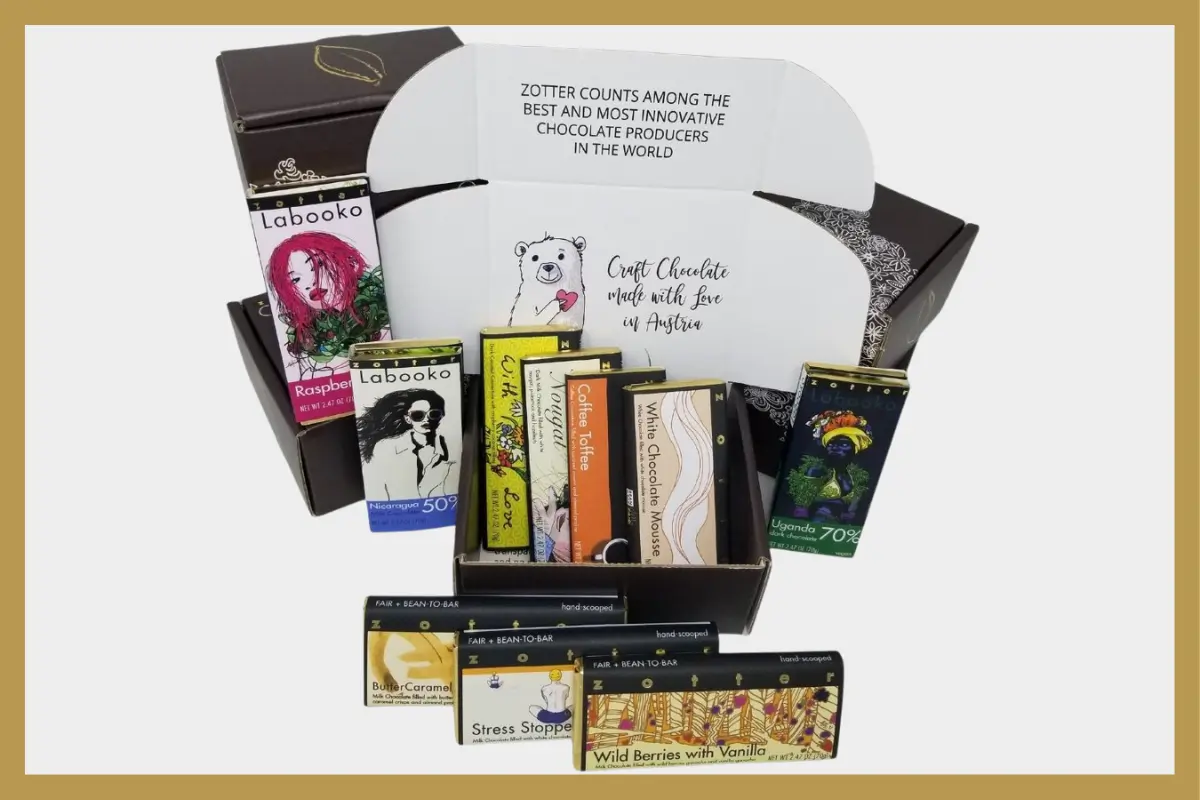


One square can start an argument in the best possible way. Not over whether chocolate is worth savoring – that part is settled – but over what belongs beside cacao when a bar is made for curiosity as much as comfort. Chili, coffee, cheese, fruit, flowers, nuts, salt, even unexpected savory notes can all earn a place. That is the appeal of unique chocolate flavor bars: they transform chocolate from a familiar indulgence into a more vivid tasting experience.
For anyone used to supermarket sameness, this category feels like a shift in altitude. The best bars do not rely on novelty for novelty’s sake. They use unusual ingredients to reveal something new about the chocolate itself – its fruit, bitterness, creaminess, spice, or depth. When done well, a bold flavor pairing does not distract from cacao. It sharpens it.
What makes unique chocolate flavor bars worth seeking out
A truly distinctive bar starts with quality chocolate, not a gimmick. That matters because cacao has its own aromatic range – berries, citrus, roasted nuts, caramel, earth, even floral notes depending on origin and processing. If the base chocolate is flat, no amount of raspberry, pistachio, sea salt, or espresso will save it. You may get sweetness and texture, but not harmony.
That is why premium makers approach flavor differently from mass-market brands. Instead of treating chocolate as a sugary vehicle for mix-ins, they build from the bean outward. The cacao percentage, roast profile, conching time, milk content, and origin all shape what pairings make sense. A bright dark chocolate may welcome tart fruit or aromatic spices. A creamier milk chocolate can carry toasted nuts, coffee, or soft caramel notes with more ease. White chocolate, when made with care, can be an elegant canvas for citrus, vanilla, or freeze-dried berries.
There is also the question of proportion. A unique bar should still taste like chocolate. If the filling, seasoning, or inclusion overwhelms the cacao, the result can feel more like candy than fine chocolate. Some shoppers want exactly that, and there is nothing wrong with a playful sweet. But if you are shopping for a premium experience, balance is the whole point.
The difference between unusual and well-made
Not every adventurous bar deserves your attention. There is a big difference between a flavor combination that is surprising and one that is thoughtfully composed.
A well-made bar has a clear arc. First comes the texture – the snap of tempered chocolate, the creaminess of a filling, the crunch of seeds or nuts, the silkiness of ganache. Then the flavor unfolds in sequence. You might get cacao first, then fruit acidity, then a warm spice at the finish. Or perhaps a nutty milk chocolate opens into coffee bitterness before settling into caramel and sea salt. That progression is what gives an artisan bar its sense of design.
Poorly made bars usually flatten everything into sugar. The ingredients may sound exciting on the wrapper, but once you taste them, every note lands at once and disappears quickly. That can happen when low-grade chocolate is over-sweetened, when inclusions are added without restraint, or when the flavor concept is stronger on paper than on the palate.
This is where craftsmanship matters. Bean-to-bar producers and hand-crafted chocolatiers tend to pay more attention to how ingredients behave together, not just how they sound together. That often means smaller-batch production, better sourcing, and a willingness to make bars that are more expressive rather than more generic.
Popular directions in unique chocolate flavor bars
Some flavor styles have become modern classics because they work so reliably well. Salted dark chocolate still feels luxurious because salt can heighten cacao’s natural complexity without making the bar taste salty. Fruit pairings remain compelling when they lean tart rather than candy-sweet. Raspberry, yuzu, orange, passion fruit, and sour cherry can add brightness that keeps richer chocolate from feeling heavy.
Then there are the roasted and savory-leaning profiles. Coffee, black sesame, almond, pumpkin seed, peanut, and hazelnut create depth and warmth, especially in milk chocolate or darker bars with mellow bitterness. Spice-driven bars are another strong category. Chili, cinnamon, cardamom, ginger, and even pink pepper can introduce a gentle heat or aromatic lift that lingers after the chocolate melts.
The most memorable bars often go a step further. They combine sweet, bitter, acidic, creamy, and savory elements in one measured composition. That might mean dark chocolate with fruit and herbs, milk chocolate with nougat and coffee, or a layered filled bar that moves from crunchy to smooth to softly spiced. These bars feel less like snacks and more like edible design.
How to choose the right bar for your taste
If you are new to this category, start with your preferences outside of chocolate. People who love espresso drinks often gravitate toward coffee, roasted nut, and caramelized flavors. Fans of fruit-forward desserts usually enjoy chocolate paired with citrus, berry, or tropical acidity. If your palate leans savory, bars with sesame, salt, spices, herbs, or tea can be especially rewarding.
It also helps to think about intensity. Not every adventurous bar is aggressive. Some are quietly unusual, with one elegant twist that gives a classic profile more sophistication. Others are deliberately dramatic and ideal for gifting, sharing, or tasting with a group. Neither style is better. It depends on whether you want comfort with a twist or a full discovery moment.
Cacao percentage matters here too. Higher percentages can carry assertive flavors beautifully, but they also bring more bitterness and less sweetness. That can be thrilling for seasoned chocolate lovers and less appealing for someone who prefers a softer entry point. Milk chocolate and filled bars often provide a more approachable introduction to unusual flavor pairings because they create more room for creaminess and contrast.
Why ethics and ingredient quality matter more in bold flavors
The more unusual the flavor concept, the more every ingredient has to earn its place. Organic spices tend to taste cleaner and more aromatic. Real fruit, nuts, coffee, and dairy create better texture and a more honest finish than synthetic flavoring. Fair trade and transparent cocoa sourcing matter for another reason as well: they are often part of a broader quality culture.
Makers who care deeply about where their cacao comes from usually care about everything else in the bar too. That does not guarantee every flavor will be your favorite, but it increases the chance that the bar was developed with intention. You can taste that in the details – less muddiness, more definition, and a finish that feels complete rather than cloying.
For shoppers who want their indulgence to align with their values, this part is not secondary. It is part of what makes premium chocolate feel premium. Craftsmanship without ethics feels incomplete. Ethics without flavor is not enough either. The sweet spot is both.
Unique chocolate flavor bars as gifts and tasting experiences
These bars are especially compelling when you stop thinking of them as impulse sweets and start treating them as curated experiences. A striking flavor combination gives the recipient something to react to, remember, and talk about. It makes a birthday gift, holiday box, thank-you gesture, or dinner-party contribution feel more considered than a standard assortment.
They are also one of the easiest luxuries to share. Break a few bars into pieces, serve them at room temperature, and compare tasting notes the way you might with wine or coffee. One person notices citrus, another gets spice, someone else is focused on texture. Suddenly dessert has a little theater to it.
That spirit of discovery is part of what makes brands like Zotter so appealing to American chocolate lovers looking for something beyond the expected. A broad assortment invites exploration, but the real draw is that the bars are not unusual just to be unusual. They are crafted to be tasted closely.
The best bars reward attention
There is a reason adventurous chocolate has found such a loyal audience. People want more from indulgence now. They want quality they can taste, ingredients they can trust, and flavors that feel personal rather than generic. Unique bars answer that appetite beautifully when they are made with real skill.
The pleasure is not only in finding the wildest flavor on the shelf. It is in finding the bar where everything clicks – where cacao, texture, aroma, and imagination meet in perfect proportion. Start there, and your next favorite chocolate may be the one you never would have expected to love.