
The best filled chocolate bars reveal themselves in layers. First comes the snap of the shell, then the aroma, then the moment the center opens up and shifts the whole experience. A good filled chocolate bar guide should help you read those layers before you buy, so you end up with a bar that feels less like a random treat and more like a well-made indulgence.
Filled bars occupy a different category from plain chocolate. They are not just chocolate with something added. They are composed experiences, where shell, filling, sweetness, texture, and finish all need to work in balance. When they do, the result is far more nuanced than a standard candy bar. When they do not, the filling can bury the chocolate or turn the bar into pure sugar with a premium wrapper.
What makes a great filled chocolate bar
A truly memorable filled bar starts with the chocolate itself. That may sound obvious, but it is where many products fall short. If the shell tastes flat, waxy, or aggressively sweet, no center can rescue it. High-end filled bars begin with real chocolate character – whether that means dark, milk, white, or a plant-based variation with depth and clean flavor.
Then comes the filling. The best centers are made to complement the shell, not overpower it. A fruit filling should bring brightness and acidity. A praline should add roasted richness. A ganache should feel smooth and full without becoming heavy. Even more adventurous fillings – coffee, spirits, nuts, spices, caramel, marzipan, nougat, or layered creams – need definition. You should be able to taste intention, not just intensity.
Texture matters just as much as flavor. A premium filled bar should have contrast, but not chaos. Crisp shell against silky center is classic for a reason. Add-ins like nut pieces, brittle, cookie fragments, or seeds can be excellent, though they need restraint. Too much crunch can make the bar feel disjointed. Too much creaminess can make every bite blur together.
A filled chocolate bar guide to flavor styles
If you are shopping with purpose, it helps to think in flavor families rather than individual bars. Most filled chocolate bars fall into a few broad styles, and each offers a different kind of pleasure.
Praline and nut-based fillings tend to be the easiest entry point. Hazelnut, almond, pistachio, peanut, and gianduja-style centers bring warmth, roast, and familiarity. They are often rich and rounded, with a comforting finish. If you like dessert-driven chocolate but want something more refined than a standard spread-filled bar, this is usually the place to start.
Fruit-filled bars lean brighter and more expressive. Raspberry, cherry, passion fruit, orange, lemon, and apricot can bring tartness that cuts through sweetness and keeps the bar lively. These are especially appealing for people who want a less heavy experience. The trade-off is that fruit can dominate if it is too jammy or too sharp, so balance is everything.
Ganache and cream-style fillings often feel the most luxurious. They melt easily, carry flavor beautifully, and can range from pure chocolate richness to infused profiles like coffee, vanilla, tea, or spice. These bars tend to appeal to serious chocolate lovers because they let the shell and center speak in the same language. The caveat is shelf life and sensitivity to temperature. Softer fillings can be more delicate, especially in warmer months.
Caramel-filled bars bring chew, butteriness, and drama. Some are fluid and glossy, others dense and almost fudge-like. Salt can make them more complex, while spice or fruit can pull them in a more adventurous direction. The risk with caramel is sweetness creep. In a premium bar, you want depth and a slightly toasted note, not just sugar.
Marzipan, nougat, and liqueur-inspired fillings sit in a more distinctive category. These can be polarizing, but for the right palate they are unforgettable. Marzipan offers almond intensity and old-world character. Nougat can be airy or chewy depending on style. Spirit-forward fillings can add sophistication, though they need precision to avoid tasting artificial.
How to choose the right shell
The shell is not just packaging. It shapes how the filling reads.
Dark chocolate shells usually create the most contrast. They bring bitterness, fruitiness, and structure, which can sharpen a sweet center or frame a creamy one beautifully. If you enjoy complexity and a longer finish, dark chocolate is often the strongest choice. It is especially good with fruit, praline, coffee, and spice.
Milk chocolate shells make the whole bar feel rounder and softer. They are inviting, creamy, and broadly appealing. For nut fillings, caramel, cookie notes, or mellow fruit, milk chocolate can be ideal. Still, quality matters greatly here. A fine milk chocolate should taste creamy and cocoa-rich, not overly sweet.
White chocolate shells can be surprisingly effective when handled with skill. They create a sweet, buttery backdrop that suits tart fruit, floral notes, citrus, or aromatic spices. But white chocolate is unforgiving. If the formulation is weak, the result can feel one-dimensional.
Vegan shells and dairy-free filled bars have become far more sophisticated in recent years. The best versions are not substitutes in spirit. They are complete chocolate experiences in their own right, often using oat, rice, nut, or coconut elements to create body and flavor. The main thing to watch is whether the filling and shell feel intentionally paired rather than simply reformulated.
Ingredient quality tells you more than the front label
A polished wrapper can promise all sorts of decadence. The ingredients tell the more useful story.
Look for recognizable components and real flavor sources. Cocoa mass, cocoa butter, nuts, fruit, cream, spices, and natural inclusions usually signal a more serious product than bars built around flavorings, fillers, and anonymous vegetable fats. Organic and fair trade sourcing can also matter, not as a marketing flourish, but because they often reflect a more considered supply chain and a stronger respect for raw materials.
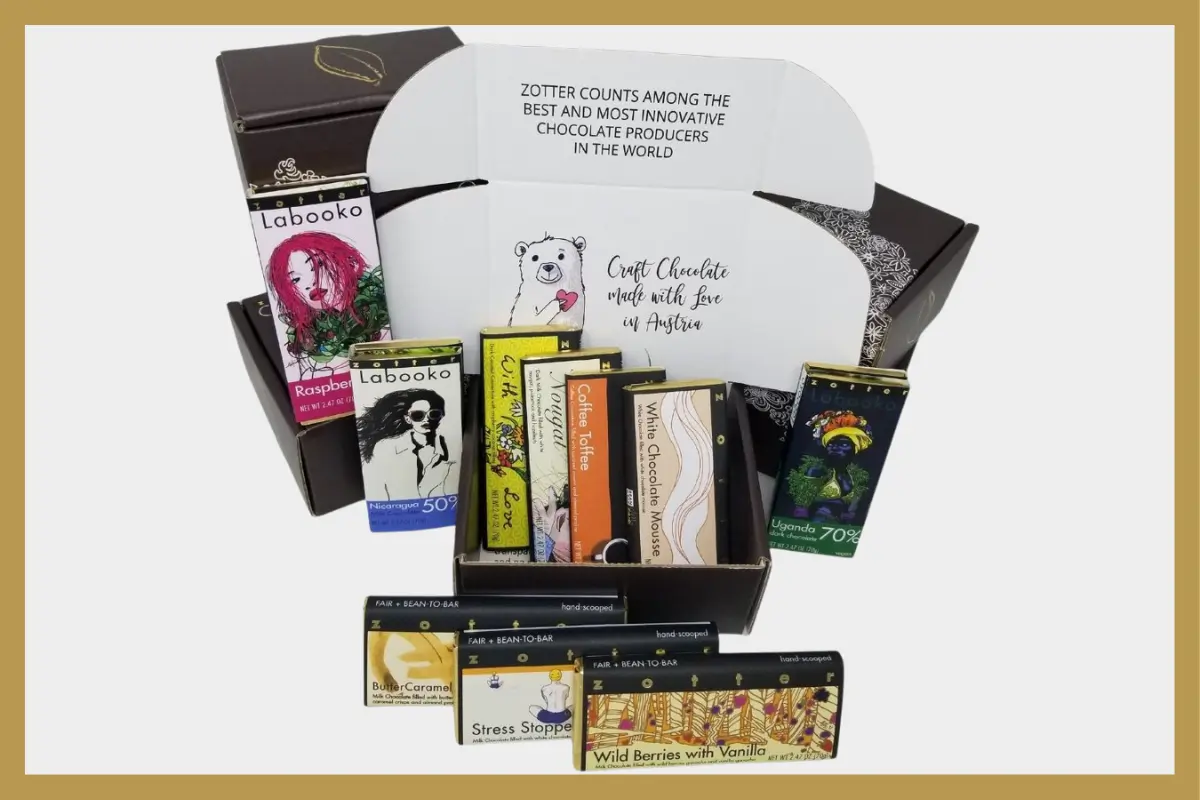
This is where artisan makers stand apart. In a thoughtfully made bar, the filling is not there to hide mediocre chocolate. It exists because the maker has something specific to say about flavor. Brands such as Zotter have built that reputation by treating filled bars as a canvas for craftsmanship, not just confection.
Price, gifting, and when premium is worth it
A filled chocolate bar guide would be incomplete without the obvious question: why spend more?
Sometimes the answer is simple. You want a better treat. But premium bars also make sense when flavor originality, ingredient integrity, and presentation matter. A mass-market filled bar might satisfy a craving. An artisan filled bar can feel curated, giftable, and memorable.
That said, expensive is not always better for every occasion. If you are building a party candy bowl, hyper-nuanced chocolate may be lost on the setting. If you are choosing a gift, assembling a tasting flight, or buying for someone who pays attention to texture and sourcing, premium is far easier to justify.
How to taste a filled bar properly
You do not need formal tasting rituals, but slowing down helps.
Let the bar come close to room temperature before eating it. If it is too cold, the shell can mute aroma and the center will seem firmer than intended. Break off a piece and notice the shell thickness first. Then let it melt for a second before chewing. Good filled bars tend to unfold in sequence rather than all at once.
Pay attention to the finish. That is where quality often shows itself. A balanced bar leaves you with cocoa, roast, fruit, spice, or cream in a way that feels complete. A weaker bar often ends in blunt sweetness.
If you are trying several, start with milder fillings and move toward darker, boozier, spicier, or more acidic profiles. Otherwise, a bold first bar can flatten the rest.
Common buying mistakes this filled chocolate bar guide can help you avoid
One common mistake is choosing only by filling flavor. A caramel lover may grab every caramel bar on sight, but shell type, sweetness level, and texture style make a huge difference. Another is overlooking size and portioning. Some filled bars are designed for a quick treat, others for slow tasting in small pieces.
It is also easy to assume that adventurous flavors are automatically better. Not always. Sometimes a classic hazelnut praline made with beautiful ingredients is more impressive than a bar chasing novelty for its own sake. The sweet spot is creativity backed by technical skill.
Finally, do not ignore season and storage. Filled bars are more sensitive than plain chocolate. Heat can soften centers, blur textures, and damage the shell. If you are ordering in warm weather or buying ahead for gifting, product care matters.
The most rewarding filled chocolate bars are the ones that surprise you with precision, not excess. Choose the shell and center with the same care you would give to wine, coffee, or pastry, and the category opens up fast. Once you know what balance tastes like, every ordinary candy bar starts to feel a little less interesting.