
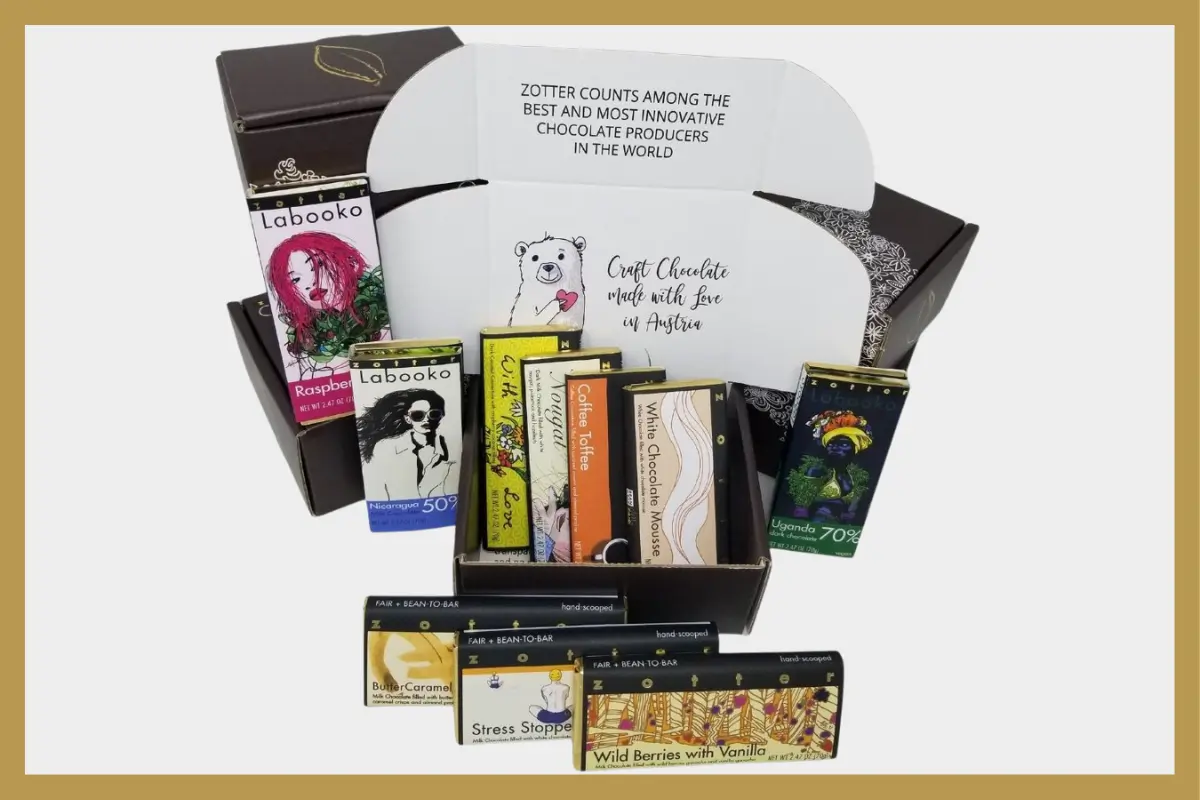

You can tell a lot about a chocolate lover by the bar they reach for first. Some want the deep, layered intensity of high-cacao chocolate that lingers on the palate. Others want the silky, creamy comfort of a milk chocolate bar that feels immediately generous. The real question in dark chocolate vs milk chocolate is not which one is better in some absolute sense. It is which one delivers the experience you want.
For premium chocolate buyers, that distinction matters. Once you move beyond checkout-lane candy and into artisan bars, cacao percentage is only the beginning. Flavor development, bean quality, sugar balance, milk choice, roasting style, and craftsmanship all shape what ends up in each bite. Dark and milk chocolate are not opposing teams. They are two different expressions of cacao.
Dark chocolate vs milk chocolate: what sets them apart?
At the simplest level, dark chocolate contains cocoa solids, cocoa butter, and sugar, while milk chocolate includes those ingredients plus milk solids or milk powder. That milk changes everything. It softens bitterness, rounds out sharper notes, and creates a creamier texture.
Dark chocolate usually has a higher cacao percentage, often starting around 50% and climbing well above 70%. Milk chocolate tends to sit lower, because part of the formula is dedicated to milk and often a bit more sugar. That does not automatically make dark chocolate more sophisticated or milk chocolate less worthy. It means each style highlights different qualities.
A well-made dark bar can reveal fruit, spice, roasted nuts, floral tones, or earthy depth depending on origin and processing. A well-made milk bar can do something equally impressive – it can turn cacao into a smooth, nuanced, caramelized experience with remarkable softness and length. In artisan chocolate, milk is not there to hide cacao. It can be there to frame it.
Taste comes first
If your priority is intensity, dark chocolate usually wins. It offers more direct access to the flavor of the cocoa bean, especially in bars with fewer ingredients and careful bean-to-bar production. You may notice red berry brightness from one origin, molasses-like richness from another, or a clean bitter edge that feels elegant rather than harsh.
Milk chocolate speaks in a different register. It is creamier, sweeter, and often more immediately approachable. Notes of caramel, malt, honey, or fresh cream can step forward, while the cacao takes on a gentler profile. For many people, that balance is exactly the point. Milk chocolate can feel more dessert-like, more comforting, and easier to love at first bite.
There is also a practical truth here. Some dark chocolate lovers are really responding to low sugar and high cacao. Some milk chocolate lovers are really responding to texture as much as flavor. If you are shopping for yourself, it helps to ask whether you want complexity, richness, sweetness, or creaminess. Those are not the same thing.
Texture is not a small detail
Texture often gets overlooked in the dark chocolate vs milk chocolate conversation, but it plays a major role in how luxurious a bar feels. Dark chocolate tends to have a firmer snap and a cleaner melt, especially at higher cacao percentages. That can feel polished and precise.
Milk chocolate is usually softer and creamier on the tongue. The added milk contributes to a rounder, more velvety melt, which many people associate with indulgence. In premium bars, this can be exquisitely smooth rather than waxy or overly sweet.
That difference is one reason gifting preferences vary so much. A dark bar often feels elegant and contemplative. A milk bar can feel comforting, generous, and broadly crowd-pleasing. Neither is automatically more refined. The refinement comes from ingredient quality and execution.
Ingredients matter more than percentages alone
Cacao percentage gets a lot of attention because it is easy to compare, but it does not tell the whole story. A 70% bar made with average beans and blunt roasting can taste flatter than a 50% or 60% bar made with exceptional cacao and more thoughtful craftsmanship. Likewise, milk chocolate can range from sugary and generic to deeply expressive.
This is where premium chocolate separates itself from mass-market candy. High-quality cacao has natural character. Organic ingredients can bring cleaner flavor. Fair trade and direct sourcing practices often support the kind of careful farming and post-harvest handling that better chocolate depends on. Even sugar choice and milk quality affect the final result.
For shoppers who care about ethics as much as taste, dark versus milk is not the only question worth asking. How was the cacao sourced? Was the bar made with intention? Does the flavor feel distinct, or merely sweet? Those answers often matter more than whether the wrapper says dark or milk.
Is dark chocolate healthier than milk chocolate?
This is where nuance matters. Dark chocolate is often perceived as the healthier option because it generally contains more cocoa solids and less sugar than milk chocolate. It may also offer more of the naturally occurring compounds associated with cacao. That said, chocolate is still an indulgence, and premium chocolate is best appreciated for pleasure first.
Milk chocolate usually contains more sugar and dairy, which can make it less appealing for shoppers specifically seeking lower-sugar options or dairy-free choices. On the other hand, a thoughtfully made milk chocolate bar may still fit beautifully into a balanced lifestyle, especially if what you want is a smaller amount of something genuinely satisfying.
If dietary preferences are part of your decision, dark chocolate often offers more options for vegan shoppers, though not every dark bar is dairy-free. Milk chocolate is obviously less flexible in that respect unless it is made with plant-based alternatives. Reading the ingredient list matters far more than relying on category assumptions.
When to choose dark chocolate
Dark chocolate shines when you want cacao to lead. It is a natural fit for tasting flights, after-dinner moments, coffee pairings, and anyone interested in origin differences. If you enjoy wine, espresso, craft spirits, or specialty coffee, dark chocolate often scratches a similar itch. It rewards attention.
It is also the better choice when you want contrast in a filled bar. Bold fruit, spice, nut, or coffee fillings often stand out more clearly against a darker shell. The chocolate creates structure and tension rather than simply sweetness.
For many seasoned chocolate buyers, dark chocolate becomes a favorite not because it is more serious, but because it offers range. One bar can be bright and citrusy, another deep and nutty, another almost floral. That kind of variation is where artisan chocolate gets exciting.
When milk chocolate is the smarter pick
Milk chocolate is often underestimated, especially by people who equate higher cacao with higher quality. In reality, milk chocolate can be just as compelling when made by a skilled chocolatier. It is often the better choice when you want softness, warmth, and immediate pleasure.
It also performs beautifully in gift settings. If you are choosing chocolate for a group, milk bars tend to be more universally appealing without feeling ordinary. And in adventurous flavor combinations, milk chocolate can act as a lush backdrop that makes notes like hazelnut, praline, caramel, or cookie-inspired inclusions feel especially generous.
For newcomers to premium chocolate, milk chocolate can be the ideal starting point. It offers a familiar comfort while still introducing better cacao, better ingredients, and more refined flavor than supermarket standards. If you are curious but not ready for a high-percentage dark bar, this is the gateway worth taking.
The premium answer is often both
The smartest way to think about dark chocolate vs milk chocolate is not as a final verdict. It is as a matter of mood, palate, and purpose. Some days call for a pure origin dark bar with a long, complex finish. Other days call for a creamy milk chocolate that feels like luxury without effort.
A thoughtful collection should have room for both. Dark chocolate gives you definition, intensity, and origin character. Milk chocolate gives you softness, comfort, and a different kind of sophistication. At a brand like Zotter, where craftsmanship and creativity carry equal weight, that range becomes part of the pleasure.
If you are choosing between the two, trust your palate rather than the prestige of a percentage. The best chocolate is the bar that feels beautifully made, honestly sourced, and exactly right for the moment you are in.