A $3 candy bar and a $10 bean-to-bar chocolate bar may look similar on the shelf. Then you taste them, and the question shifts from sticker shock to something more interesting: why is bean to bar expensive in the first place, and what are you actually paying for?
The short answer is that bean-to-bar chocolate is priced like a crafted food, not an industrial sweet. It begins with better cacao, usually sourced with far more care, and it continues through small-batch production, rigorous sorting, slow refining, thoughtful recipe development, and packaging that reflects a premium experience. The result is not just chocolate that costs more. It is chocolate designed to taste more distinctive, feel more memorable, and align with values many shoppers care about.
Why is bean to bar expensive compared to regular chocolate?
Mass-market chocolate is built for scale. That matters more than most people realize. Large manufacturers buy enormous volumes of cacao, blend for consistency, use highly efficient equipment, and spread fixed costs across millions of bars. Their goal is a dependable product at the lowest possible unit cost.
Bean-to-bar makers work from the opposite end of the spectrum. They often source specific harvests or origins, roast and refine in much smaller volumes, and make intentional decisions that protect flavor rather than squeeze every penny out of production. That creates a completely different cost structure.
Think of it the same way you would think about coffee or wine. A commodity product is priced for volume and sameness. A crafted product is priced for character. When cacao comes from a particular place, is fermented with care, and is transformed by a maker who wants the natural notes of fruit, nuts, spice, or caramel to remain intact, the economics change immediately.
The cacao itself costs more
The biggest reason bean-to-bar chocolate is expensive is also the most fundamental: cacao is not all the same.
Commodity chocolate generally relies on cacao bought in large aggregated streams where beans from different farms, regions, and quality levels are combined. That system keeps prices low, but it also tends to flatten flavor and obscure origin. Bean-to-bar producers usually seek better beans from known sources, often with stronger standards around fermentation, drying, traceability, and post-harvest handling.
That means they are paying more before production even begins. Often they are also paying premiums tied to organic certification, fair trade standards, direct relationships, or farm practices that support long-term quality rather than short-term extraction. Those premiums are not decorative. They are part of what allows better cacao to exist.
For shoppers who care about ethics, this is where price starts to make sense. A cheaper bar can be inexpensive because someone in the chain absorbed the real cost – often the farmer. A premium bean-to-bar bar may cost more because it is trying not to pass that burden downward.
Small batches are expensive by nature
There is no clever workaround here. Small-batch food production simply costs more.
A bean-to-bar maker may roast relatively modest amounts of cacao, crack and winnow those beans, refine the chocolate for hours or even days, age it, temper it carefully, mold it, wrap it, and quality-check it with a level of attention that would be impractical at mass scale. Each step takes labor, equipment, time, and expertise.
When a company produces millions of bars, machinery and overhead are diluted across a huge output. When an artisan producer makes much smaller runs, each bar carries a greater share of those costs. That does not mean inefficiency in the lazy sense. It often means deliberate production choices that preserve quality.
There is also more risk. A small batch that roasts incorrectly or develops the wrong texture can mean a meaningful loss. In industrial manufacturing, mistakes are costly too, but systems are designed around reducing variation at extreme scale. Bean-to-bar makers accept a narrower margin for error because they are chasing flavor, not just uniformity.
Sorting, roasting, and refining are more demanding than they look
Chocolate begins long before the wrapper, but it also becomes expensive during transformation.
High-end bean-to-bar production involves sorting out defects, dialing in roast profiles for each origin, refining to create a particular mouthfeel, and conching or aging in ways that influence aroma and finish. This is craftsmanship, but it is also process control. A maker is making dozens of decisions that affect whether the final bar tastes flat, harsh, muddy, bright, silky, or elegant.
That kind of work requires technical skill and time. It is one thing to process chocolate to make it sweet and recognizable. It is another to process cacao so that the bar reveals where the beans came from and what makes them special.
This is one reason premium chocolate often tastes so layered. You may notice red fruit, toasted pecan, honey, espresso, citrus peel, or floral notes in a fine bar without any added flavoring. Those nuances are not accidental. They come from quality raw material handled with restraint and precision.
Why is bean to bar expensive when it uses so few ingredients?
This is the question that catches many shoppers. If a dark chocolate bar contains cacao beans, sugar, maybe cocoa butter, and perhaps vanilla, why should it cost more than a heavily processed candy bar with a much longer ingredient list?
Because ingredient count is not the same as ingredient value.
Luxury olive oil is not expensive because it has many ingredients. Great coffee is not expensive because it is complicated on paper. In premium chocolate, fewer ingredients often mean there is nowhere to hide. The cacao has to be good. The sugar has to be balanced. The texture has to be impeccable. The maker cannot depend on fillers, emulsifiers, excess sweetness, or added flavor systems to cover flaws.
Simple recipes can be the hardest to execute well. In bean-to-bar chocolate, that simplicity tends to reveal both the quality of the beans and the seriousness of the maker.
Ethics and certifications add real cost
Organic and fair trade claims can sound abstract until you remember they require systems. Certification, documentation, audits, ingredient segregation, compliant sourcing, and verified handling all carry cost.
For many premium chocolate brands, that expense is worth it because customers are not only buying flavor. They are buying confidence. They want to know the chocolate reflects a more thoughtful relationship to farming, labor, and the environment.
There are trade-offs, of course. Certifications are not perfect, and they do not guarantee excellence on their own. But they do usually signal a company willing to invest in standards that commodity players often avoid unless shoppers force the issue.
That matters in cacao, where price pressure has historically shaped difficult realities for growers. Better sourcing is not free, and it should not be expected to be.
Packaging, variety, and innovation raise the bar
Premium chocolate is also an experience product. That affects price more than people think.
Bean-to-bar brands tend to invest in elegant packaging, better barrier materials for freshness, visually distinctive designs, and formats that feel giftable. They may also produce an unusually broad flavor assortment, limited editions, seasonal collections, or filled bars with highly original recipes. Those features create delight, but they also create operational complexity.
A company making one standard bar year-round can streamline purchasing and production. A company creating a wide range of bold, curated chocolate experiences is managing more ingredients, more packaging runs, more product development, and more inventory risk. For adventurous shoppers, that variety is part of the appeal. It is also part of the cost.
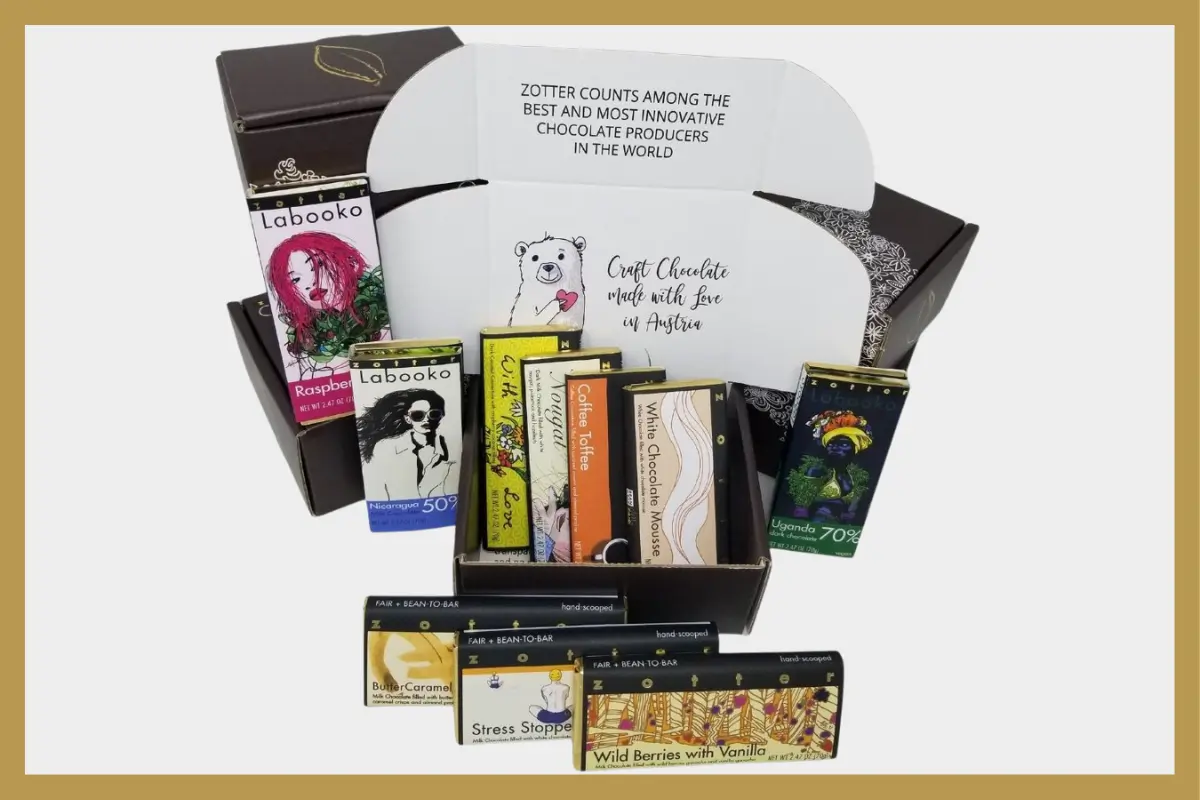
This is where a brand like Zotter stands apart. When chocolate is treated as a creative medium rather than a single-note commodity, you are paying not just for cacao and sugar, but for imagination executed at a high level.
Is bean-to-bar worth the price?
Sometimes yes, sometimes no – it depends on what you want from chocolate.
If you are looking for the cheapest sweet fix, bean-to-bar will not make economic sense. It is not designed to compete with checkout-lane candy. But if you care about origin, texture, ethical sourcing, ingredient integrity, and flavor that actually gives you something to discover, the higher price starts to feel less like a markup and more like an honest reflection of what went into the bar.
It also depends on occasion. A premium bar can be an everyday ritual for some people, a gift for others, or an occasional treat saved for when you want something memorable. Worth is personal. Still, once you have tasted a truly expressive bean-to-bar chocolate, it becomes easier to recognize that you are in a different category altogether.
The better question may not be why bean-to-bar is expensive. It may be why so much chocolate has trained us to expect a handcrafted, ethically sourced luxury food to cost almost nothing. When you find a bar made with real care, the price stops feeling mysterious and starts feeling honest.
The next time you unwrap one, let it melt slowly and pay attention before you judge the number on the tag.