
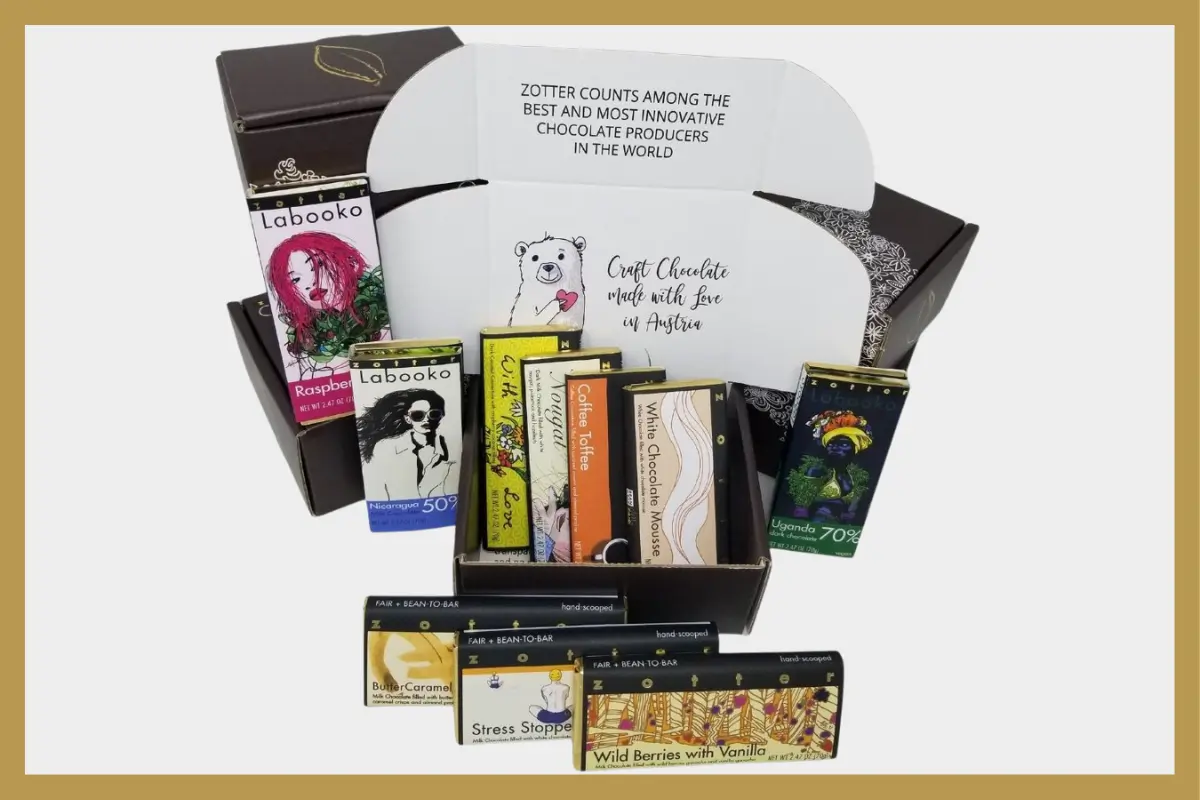

A glossy wrapper can suggest luxury, but the real answer to what makes chocolate premium starts long before packaging. It begins with cacao selection, careful sourcing, and the choices a maker makes at every stage – from fermentation to roasting to the final snap of the bar. Premium chocolate is not just sweeter branding or a higher price tag. It is a different experience, one you can smell, taste, and feel.
For chocolate lovers, gift buyers, and anyone ready to trade up from ordinary candy, that difference matters. A premium bar should offer more than sugar and nostalgia. It should deliver character, texture, and a sense that every ingredient earned its place.
What makes chocolate premium in the first place?
At the simplest level, premium chocolate is defined by quality, craft, and integrity. Quality means better cacao, better supporting ingredients, and more disciplined production. Craft means the chocolate is developed for flavor, not just consistency at massive scale. Integrity means transparency about sourcing, respect for the ingredient, and often a stronger commitment to organic and fair trade practices.
That does not mean every expensive bar is premium, or that every premium bar tastes the same. Some lean pure and minimalist, letting a single origin cacao speak for itself. Others are playful, layered, and filled with surprising ingredients. The common thread is intention. Premium chocolate tastes designed, not manufactured.
Cacao quality is the foundation
If the cacao is ordinary, no amount of marketing can turn it into exceptional chocolate. Premium makers pay close attention to origin, variety, harvest conditions, and post-harvest handling. Just as wine reflects terroir, cacao carries the influence of soil, climate, and local farming methods.
That is why one dark chocolate may taste of red berries and citrus, while another leans nutty, earthy, or floral. Those notes are not added flavorings. They are part of the bean’s natural profile when the cacao is grown and processed well.
Fermentation and drying are especially important. Poorly fermented beans can taste flat, harsh, or muddy. Well-fermented cacao develops depth and aromatic complexity before it even reaches the chocolate maker. Premium chocolate depends on that groundwork.
Bean-to-bar craftsmanship changes the result
Bean-to-bar is not just an industry phrase. It signals that the maker controls the crucial steps that shape flavor. Instead of buying generic bulk couverture and melting it into finished products, bean-to-bar producers work directly with cacao beans and guide the transformation themselves.
That control matters. Roasting can bring out fruit, spice, toast, or cocoa richness depending on time and temperature. Grinding and conching affect texture and flavor release. A skilled maker can preserve nuance instead of flattening it.
This is one of the clearest answers to what makes chocolate premium. Premium bars are usually not built for sameness above all else. They are built for expression. You taste decisions, not just ingredients.
Ingredient lists tell you a lot
A premium chocolate bar usually has a short, purposeful ingredient list. For dark chocolate, that may be as simple as cacao mass, cocoa butter, and sugar, with perhaps vanilla or another carefully chosen inclusion. Milk chocolate adds dairy, but the principle stays the same: each ingredient should contribute flavor, texture, or balance.
When a label is crowded with fillers, artificial flavors, excessive emulsifiers, or vague additives, the chocolate often tastes less precise. That does not mean every ingredient beyond cacao is a problem. Filled bars, infused bars, and boldly flavored creations can absolutely be premium. The question is whether those additions feel thoughtful and high quality, or whether they are there to mask weak chocolate.
A premium pistachio filling, a vivid fruit layer, or a fragrant spice blend can elevate chocolate beautifully. But the chocolate itself still has to hold its own.
Texture matters as much as taste
Premium chocolate announces itself the moment you break a piece. A clean snap in a well-tempered bar is one sign of careful handling. On the palate, the texture should feel refined – smooth, fluid, and pleasing, not waxy or gritty.
This is where cocoa butter quality and processing make a big difference. Chocolate made with proper cocoa butter and careful refining melts elegantly. It releases flavor gradually instead of coating the mouth in a heavy, sugary film.
Texture is also where trade-offs come in. Some rustic bean-to-bar makers leave a bit more texture to preserve character or avoid over-processing. Others aim for silkiness. Neither approach is automatically better. What matters is that the texture feels intentional and aligned with the style of the chocolate.
Flavor complexity separates premium from merely sweet
Mass-market chocolate often leads with sugar, vanilla, and a generalized cocoa note. Premium chocolate is more dimensional. You may taste layers that unfold over several seconds: fruit, toasted nuts, cream, caramel, spice, coffee, honey, or even subtle floral tones.
That complexity does not require extremely dark chocolate. A premium milk chocolate can be deeply expressive, especially when it uses excellent cacao and balanced dairy. Likewise, a 70% bar is not automatically superior to a 60% bar. Higher cacao percentage can suggest intensity, but it says nothing by itself about balance, sourcing, or craftsmanship.
This is where many shoppers get tripped up. Bitterness is not the same as quality. Good premium chocolate can be bold, but it should not punish your palate. It should feel layered, vivid, and composed.
Ethical sourcing is part of the premium standard
For many modern shoppers, what makes chocolate premium is not just flavor. It is also how that flavor came to be. Cacao has a long history of pricing pressure, labor concerns, and supply chain opacity. Premium chocolate should confront that reality, not hide behind romantic packaging.
Ethical sourcing can include direct relationships with farmers, transparent premiums paid for cacao, organic cultivation, fair trade certification, and a broader commitment to sustainable farming. Different makers use different models, so there is no single perfect badge. But there should be evidence that the brand takes sourcing seriously.
This matters for taste as well as values. Farmers who are paid fairly are better positioned to invest in careful harvesting, fermentation, and drying. Better farming often leads to better chocolate. Ethics and quality are not separate conversations.
Freshness, storage, and shelf life play a role
Chocolate is more stable than many foods, but it is not immortal. Premium bars benefit from proper storage and responsible turnover. Heat, humidity, and strong odors can all compromise flavor and texture.
A great maker treats freshness as part of the customer experience. That includes packaging that protects the chocolate, sensible shipping practices, and attention to seasonality. If a bar arrives bloomed, stale, or dulled by poor handling, even beautiful ingredients cannot fully rescue it.
This is especially true for filled bars and inventive flavor combinations. Nuts can lose their crispness. Fruit components can fade. Delicate aromatics can flatten over time. Premium chocolate should taste alive.
Creativity can be premium – if the craft is there
Some people still equate premium chocolate with seriousness alone: plain dark bars, restrained branding, and a narrow flavor spectrum. But craftsmanship and creativity are not opposites. In fact, one of the pleasures of high-end chocolate is seeing what happens when excellent cacao meets imagination.
Unexpected fillings, layered textures, and globally inspired flavor combinations can feel every bit as premium as a single origin tasting bar. The key is discipline. Adventurous chocolate still needs balance. Sweetness should not drown out the cacao. Novelty should not replace flavor.
That is why artisan makers with strong bean-to-bar foundations often create the most memorable experiences. They can push boundaries because they understand structure. A brand like Zotter has built a following precisely by treating creativity as a serious craft, not a gimmick.
How to tell if a chocolate is truly premium
If you are shopping, start with a few simple questions. Does the brand say where the cacao comes from? Does it explain how the chocolate is made, or does it rely mostly on luxury cues? Is the ingredient list clear and credible? Are ethical standards visible? And most importantly, does the flavor suggest care rather than mass production?
Price can be a clue, but it is never the whole story. Premium cacao costs more. Small-batch production costs more. Organic and fair trade certifications often cost more too. But a high price without substance is just expensive chocolate.
The best premium bars leave a distinct impression. You remember their aroma. You notice the melt. You can taste the difference between one origin and another, or between one filling and the next. They feel gift-worthy, but also personal – the kind of chocolate you buy because you want the experience, not just the sugar.
A good rule is this: premium chocolate should reward attention. Whether you savor a pure dark bar or a boldly filled creation, it should offer enough character to make the next bite feel worth slowing down for.