
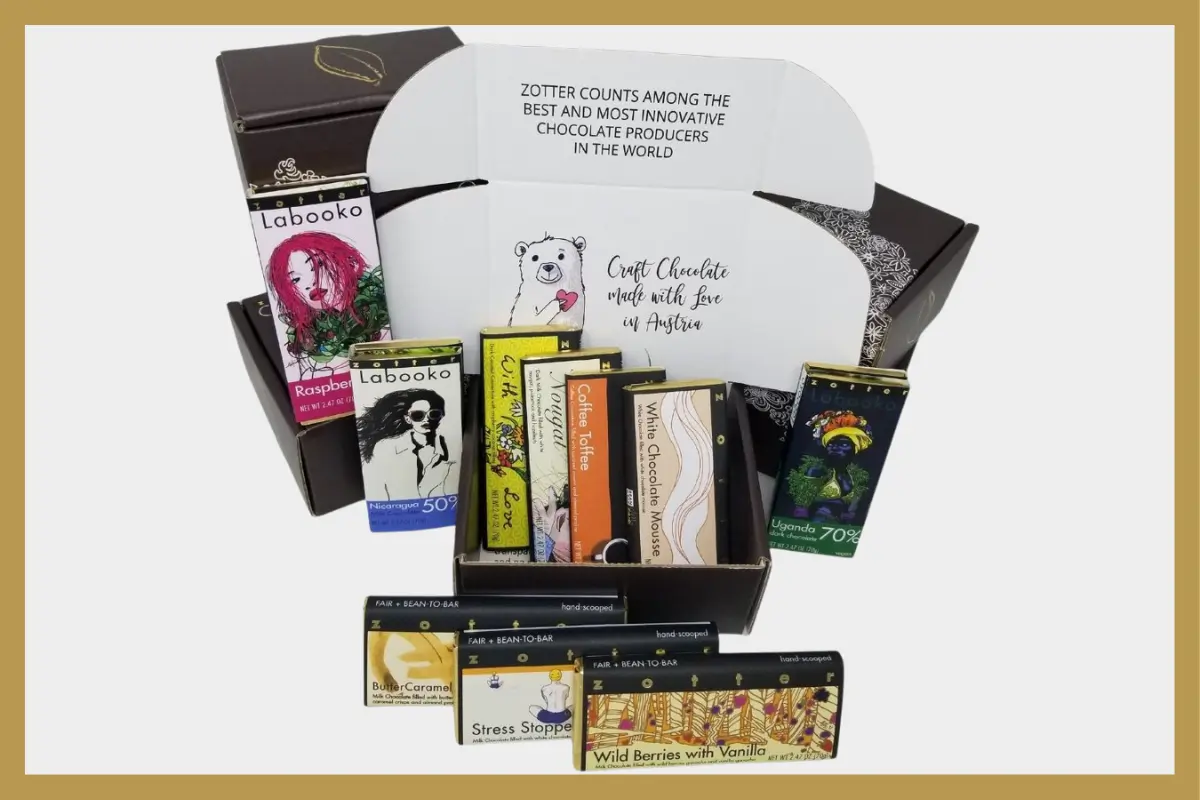
A clean snap tells you one story. The first bite tells you the real one. If you have ever wondered how hand scooped chocolate works, the answer starts with texture as much as taste. This is not chocolate built for uniformity at any cost. It is chocolate made in layers, with visible craft, distinct fillings, and a more expressive way of delivering flavor.
Hand-scooped chocolate sits in a different category from standard molded bars. Instead of producing a shell and pumping in a filling through industrial nozzles designed for speed and sameness, the maker builds the bar more like a composed dessert. Thin sheets of chocolate are combined with a filling that is literally spread or scooped by hand, then finished, cut, and coated. The result is a bar with character – one that can carry delicate cream layers, nut pralines, fruit ganaches, marzipan, or boldly spiced centers without feeling factory-flat.
What hand scooped chocolate really means
The phrase sounds charming, but it is not just romantic branding. Hand-scooped chocolate refers to a production method where the filling is applied manually in a controlled layer between chocolate components. That hands-on step matters because it changes what is possible.
A conventional filled bar usually prioritizes efficiency. It is built to move quickly through molds, cooling tunnels, and packaging lines with minimal variation. Hand-scooped bars, by contrast, allow the chocolatier to work with fillings that may be softer, more nuanced, or less suited to high-speed industrial depositing. That opens the door to more inventive flavor combinations and a more generous, pastry-like interior.
This method also affects the eating experience. You do not just get chocolate surrounding a center. You get defined strata, where the shell, the filling, and the finish each have their own role. One bite might begin with a crisp chocolate edge, move into a silky fruit layer, then finish with a roasted nut note or a lingering spice. It feels curated rather than merely assembled.
How hand scooped chocolate works in production
At its core, the process is precise, even if it looks more artisanal than industrial. First, the chocolate itself has to be made or selected to suit the final bar. In bean-to-bar production, that means sourcing cocoa beans, roasting, grinding, conching, and tempering the chocolate so it has the right gloss, snap, and melt. If the base chocolate is not properly tempered, the final bar will not hold its structure or finish elegantly.
Once the chocolate is ready, a thin layer is spread or cast to form part of the bar. Then comes the filling. This is where how hand scooped chocolate works becomes distinct from standard manufacturing. The filling is applied by hand in measured portions and spread evenly across the chocolate layer. Depending on the recipe, that filling could be dense and creamy, airy and whipped, smooth and ganache-like, or thick with inclusions such as nuts, seeds, or crisp elements.
Because the filling is manually handled, the chocolatier can control thickness with much more sensitivity. Some bars call for a whisper-thin layer that lets the chocolate dominate. Others are all about abundance, with a lush center that turns the bar into something closer to a refined confection. Neither is better in every case. It depends on the flavor idea and on how the maker wants the bar to unfold on the palate.
After the filling is applied, another chocolate layer is added, or the filled slab is enrobed in chocolate. The slab is then cooled, cut into bars, and packaged. Along the way, temperature and timing are everything. A filling that is too warm can destabilize the chocolate. A layer that is too thick can throw off the ratio. A cooling phase that moves too fast may affect texture. Handmade does not mean casual. If anything, it demands more attention.
Why the texture feels so different
Texture is one of the strongest reasons people return to hand-scooped bars. Mass-market chocolate often aims for smooth sameness. That can be pleasant, but it rarely surprises you. Hand-scooped chocolate is designed to be more dimensional.
The outer chocolate layer delivers structure and a polished first impression. The center adds movement. Some fillings melt quickly and flood the palate. Others linger with a gentle grain from nut paste, coconut, cookie crumbs, or fruit components. When these textures are balanced well, the bar feels alive.
This is also why premium makers are drawn to the format. It can carry flavors that would feel muted in a simpler bar. A tart berry note can stay bright against dark chocolate. A coffee cream can remain aromatic rather than muddy. A marzipan filling can taste fragrant and almond-rich instead of overly sweet. The layers create separation, and that separation gives each ingredient room to speak.
Why hand scooped chocolate supports bolder flavors
If you love adventurous chocolate, this method makes a lot of sense. Hand-scooped bars are especially well suited to unusual combinations because the filling can be developed almost like the center of a pastry or dessert.
That means you can pair dark chocolate with blackcurrant, pumpkin seed praline, olive oil, coffee, nougat, or floral notes without everything collapsing into one generic sweetness. The center can be adjusted for moisture, density, acidity, and intensity before it ever meets the chocolate shell. The chocolate then acts as both frame and counterpoint.
For a brand with a broad artisan assortment, this production style is a creative advantage. It allows high-end chocolate to feel playful without losing its seriousness. You can be rigorous about cacao sourcing and still make room for unexpected flavors. In fact, the craft becomes more visible when the flavor combinations are ambitious enough to require it.
The trade-offs behind hand craftsmanship
There is a reason not every chocolate bar is made this way. Hand-scooped production is slower. It is more labor-intensive. It also calls for tighter attention to ingredient behavior, especially when working with organic components, fresh dairy, nuts, fruit, or delicate inclusions.
That often makes the final bar more premium in price. You are paying not just for cocoa content, but for skilled handling, recipe complexity, and a more exacting production process. For shoppers used to commodity chocolate, that can feel like a jump. For those who value craftsmanship, it feels more like a fair exchange.
There are sensory trade-offs too. Because these bars are more complex, they can be less about blunt sweetness and more about layered flavor. Some people love that immediately. Others need a moment to recalibrate if they are expecting a standard candy-bar profile. Hand-scooped chocolate rewards a slower kind of eating.
What to look for when buying hand scooped chocolate
A good bar should feel intentional from the outside in. The chocolate should look glossy, not dull or streaked. The bar should feel well-proportioned, without obvious gaps or leakage. When you break it, the interior should look distinct and cleanly layered rather than collapsed.
Ingredient quality matters just as much as technique. Because the fillings are central to the experience, this is where organic nuts, real fruit components, quality milk, authentic spices, and fair trade cocoa make a noticeable difference. Shortcuts are harder to hide when the center is the star.
It also helps to think about your own preferences. If you like pure cacao expression, a hand-scooped bar with a restrained filling may suit you best. If you are here for discovery, richer layered bars with praline, cream, fruit, or seasonal flavors can offer a more theatrical experience. This is one of the pleasures of artisan chocolate – there is room for both purity and play.
How to taste it the way it was meant to be enjoyed
Do not eat it straight from a cold fridge if you can avoid it. Cooler temperatures mute aroma and harden the center. Let the bar come closer to room temperature so the filling softens slightly and the chocolate melts with more grace.
Take a smaller bite than you think you need. Let the outer chocolate break first, then wait for the center to open up. Premium hand-scooped chocolate is designed in stages. If you rush it, you will still enjoy it, but you will miss the architecture.
A bar like this also makes an exceptional gift because it feels personal before it is even unwrapped. There is a visible human decision behind each layer. In a market crowded with polished sameness, that difference matters.
At its best, hand-scooped chocolate is not trying to be perfect in a sterile way. It is trying to be vivid, balanced, and memorable. That is a much more delicious goal – and one worth seeking out when you want chocolate with real presence.