

The difference between organic chocolate vs conventional chocolate is not just a label on the wrapper. It shows up in the way cacao is grown, how ingredients are selected, what ends up in the final bar, and often how the chocolate tastes when you slow down and really let it melt.
For shoppers who care about craftsmanship, origin, and ingredient integrity, this comparison matters. A premium chocolate bar is never only about sweetness. It is about character, sourcing, texture, and whether the bar feels thoughtfully made from start to finish.
Organic Chocolate vs Conventional Chocolate: What Changes?
At the simplest level, organic chocolate is made with ingredients produced according to certified organic standards. That usually means cacao, sugar, milk powder, vanilla, and other agricultural ingredients are grown without most synthetic pesticides or synthetic fertilizers, and without genetically modified organisms where organic rules prohibit them.
Conventional chocolate does not follow those same restrictions. That does not automatically mean it is poor quality. Some conventional chocolate is excellent, especially in the hands of skilled makers. But conventional production allows a wider range of farming inputs and processing aids, and mass-market conventional bars often prioritize cost, consistency, and shelf life over ingredient purity or flavor complexity.
That is where the real conversation starts. Organic is about farming standards, but shoppers often use it as a shorthand for something bigger – cleaner ingredients, more intentional sourcing, and a more transparent product. Sometimes that assumption holds up. Sometimes it depends on the maker.
Ingredient Standards Matter More Than Marketing
A good chocolate bar should be judged first by what is actually in it. Organic certification sets a baseline for how ingredients are produced, but it does not guarantee artistry. A conventional bar can still be made with a short, elegant ingredient list, while an organic bar can still be flat, overly sweet, or technically uninspired.
The more useful question is this: what kind of ingredients is the maker choosing, and why?
In organic chocolate, you are more likely to see a cleaner ingredient deck and fewer unnecessary additives. That can be especially appealing if you prefer chocolate that tastes like cacao rather than a formula engineered for uniformity. In premium bars, this often translates to ingredients with more distinct personality – vivid cacao notes, better dairy, real spices, and inclusions chosen for flavor instead of novelty alone.
Conventional chocolate, especially in the mainstream category, may include emulsifiers, artificial flavors, lower-cost fats, or a higher proportion of sugar relative to cacao. Not every conventional bar does this, but it is common enough that the category has earned a certain reputation. If you have ever tasted a bar that felt waxy, one-dimensional, or aggressively sweet, you have already experienced the lower end of conventional chocolate.
Farming, Soil, and the Chocolate in Your Hand
Chocolate begins long before roasting and conching. It begins on cacao farms, where farming practices shape both environmental impact and raw flavor potential.
Organic cacao farming generally emphasizes soil health, biodiversity, and reduced chemical inputs. That does not make every organic farm idyllic, and it does not mean yields are always as high or as predictable. Organic farming can be more labor-intensive and more vulnerable to pest pressure. But when done well, it supports a more balanced agricultural system and often aligns with a slower, more careful approach to growing cacao.
Conventional cacao farming can range from small farms using practical, mixed methods to large-scale systems focused on maximizing output. The trade-off is efficiency. Conventional farming can produce more and often at lower cost, which helps keep prices down. But depending on the region and operation, it may also rely more heavily on synthetic inputs that many consumers prefer to avoid.
For ethically minded chocolate buyers, this is where organic becomes more than a personal preference. It becomes part of a broader purchasing decision about land use, agricultural resilience, and how luxury food should be made.
Does Organic Chocolate Taste Better?
Sometimes yes. Sometimes no. The better answer is that organic chocolate can create the conditions for better flavor, but flavor still depends on craftsmanship.
Cacao variety, fermentation, drying, roasting, grinding, conching, and recipe design all matter. A beautifully made conventional bean-to-bar chocolate can taste more expressive than a mediocre organic bar. On the other hand, when a skilled artisan works with high-quality organic ingredients, the result can be exceptionally vivid.
This is especially noticeable in dark chocolate and origin bars, where there is less to hide behind. Fruit notes, floral edges, nutty warmth, spice, earth, and acidity all come through more clearly when the cacao is handled with care. In milk chocolate and filled bars, organic ingredients can still make a difference, though the effect may show up more in overall balance and finish than in dramatic tasting notes.
If your chocolate preference leans toward complex, layered flavor rather than sheer sweetness, organic bars from serious makers are often worth your attention.
Organic Chocolate vs Conventional Chocolate in Ethics and Transparency
Organic and fair trade are not the same thing, but consumers often look for both because they point toward a more accountable supply chain.
Organic certification focuses on how ingredients are grown and processed. It does not automatically guarantee better prices for farmers or perfect labor conditions. Conventional chocolate can also be responsibly sourced, but it may offer less visible proof unless the maker is unusually transparent.
That is why premium shoppers often look beyond a single claim. Organic matters. So does fair trade. So does bean-to-bar production, direct relationships, traceability, and whether the brand speaks clearly about its sourcing standards.
For a chocolate lover who wants indulgence without compromise, those details are not background noise. They are part of what makes a bar feel elevated. A truly premium chocolate experience is not only about flavor on the palate. It is also about confidence in where the ingredients came from and how they were treated along the way.
Why Organic Chocolate Usually Costs More
The price difference between organic and conventional chocolate is real, and it is not just branding theater.
Organic farming can involve lower yields, more hands-on labor, certification costs, and tighter ingredient sourcing. In premium chocolate, there is another layer: smaller-batch production, better cacao, and more exacting craftsmanship. When those elements come together, the final bar costs more because more care went into every step.
Conventional chocolate is often cheaper because the system behind it is built for scale. Larger production runs, lower-cost ingredients, and streamlined formulations all help reduce the price. For everyday snacking, that may be enough for some shoppers. But if you are buying chocolate as a culinary pleasure, a gift, or a deliberate treat, the gap in experience can justify the higher spend.
It comes down to what you want your chocolate to do. If it is simply there to satisfy a sweet craving, conventional may be fine. If you want nuance, origin character, and a more thoughtful ingredient story, organic often earns its place.
Who Should Choose Organic Chocolate?
If you care about ingredient standards, environmental considerations, and a more distinctive flavor profile, organic chocolate is a natural fit. It is especially appealing to shoppers who already seek out premium coffee, artisan cheese, natural wine, or small-batch pantry staples. The same instincts apply here.
If your main priority is price, or if you prefer very sweet, familiar, mass-market flavor, conventional chocolate may feel more approachable. There is no virtue in pretending every bar needs to be a tasting experience. Sometimes convenience and affordability win.
But for gift buyers, adventurous eaters, and anyone building a more intentional pantry, organic chocolate offers something richer than a simple better-for-you narrative. It offers discernment. It says the details matter.
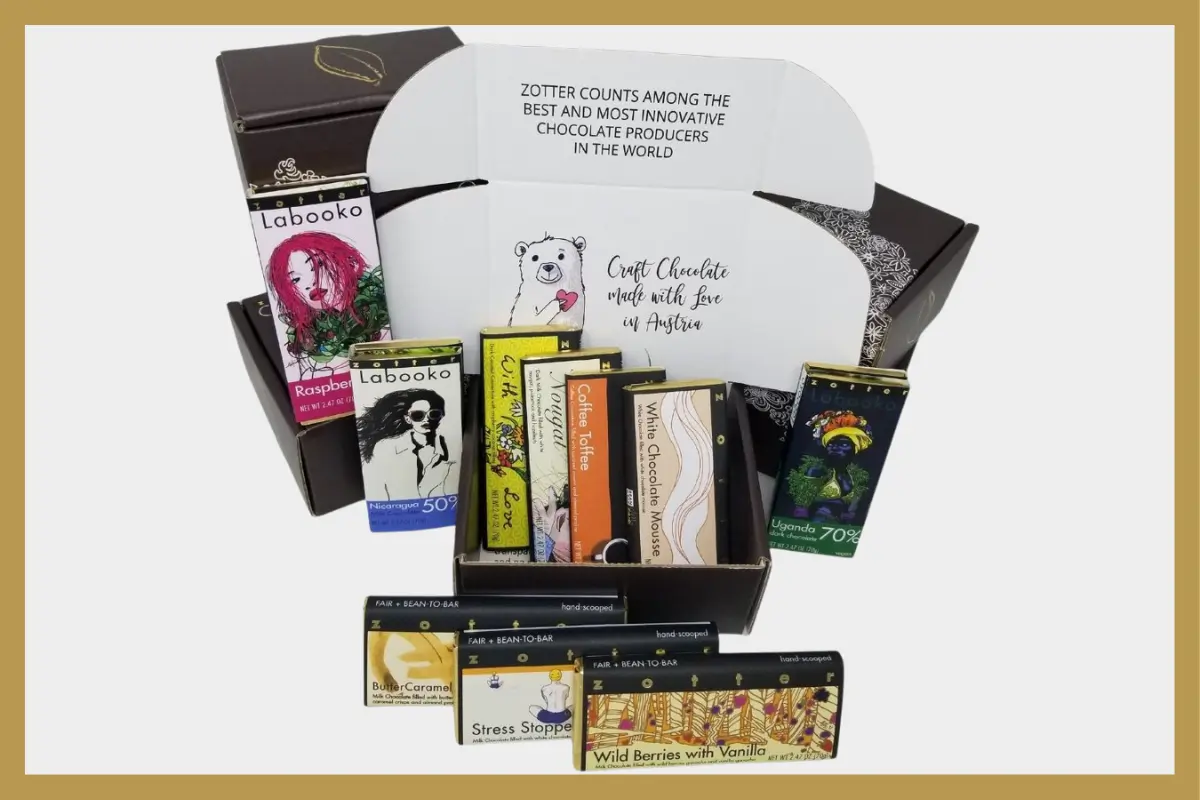
That is one reason brands like Zotter resonate with chocolate lovers who want more than a standard bar. They want creativity, integrity, and a sense that indulgence can still reflect strong values.
The Better Question to Ask at the Shelf
Instead of asking whether organic automatically beats conventional, ask whether the bar in your hand was made with care. Look at the ingredient list. Consider the cacao percentage in context. Notice whether the brand talks about sourcing with real specificity or hides behind broad claims.
Organic certification is a strong signal, but it is best read alongside craftsmanship and transparency. The finest chocolate is not impressive because it checks one box. It is impressive because farming, flavor, ethics, and artistry all meet in a way you can taste.
The next time you choose a bar, let curiosity lead. The best chocolate purchases are rarely the most obvious ones – they are the ones that reward a more attentive palate.