

One sip usually settles the drinking chocolate vs hot cocoa question faster than any label can. If your cup tastes light, sweet, and familiar, you are probably drinking hot cocoa. If it feels dense, velvety, and unmistakably chocolate-forward, you are in drinking chocolate territory.
The confusion makes sense. In everyday conversation, people often use the names interchangeably, especially in the U.S. But they are not quite the same thing, and for anyone who cares about ingredient quality, chocolate craft, and the kind of indulgence that actually tastes worth the calories, the difference matters.
Drinking Chocolate vs Hot Cocoa: The Core Difference
At the simplest level, hot cocoa is usually made from cocoa powder, sugar, and milk or water. Drinking chocolate is made with actual chocolate – often grated, shaved, or melted into milk or a milk alternative. That single distinction changes everything.
Cocoa powder is what remains after much of the cocoa butter has been removed from cacao beans. It can deliver good chocolate flavor, but it is leaner by design. Real chocolate still contains cocoa solids and cocoa butter, so it brings more body, more aroma, and a richer mouthfeel.
That is why hot cocoa tends to be lighter and easier to sip in large mugs, while drinking chocolate is often more intense, more luxurious, and sometimes almost dessert-like. One is cozy. The other can feel exquisite.
What Hot Cocoa Actually Is
Hot cocoa has a long life in American kitchens for good reason. It is approachable, quick to make, and deeply nostalgic. Most versions rely on cocoa powder blended with sweetener, then whisked into warm milk or hot water. Some mixes add milk powder, vanilla, salt, or stabilizers to create a smoother cup.
When done well, hot cocoa is soft, sweet, and comforting. It is less about complexity and more about ease. You can make it on a weeknight, hand it to a crowd, or top it with marshmallows without overthinking it.
That does not mean hot cocoa is automatically low quality. A premium cocoa powder can still produce a very satisfying drink. But even an excellent hot cocoa usually delivers a more streamlined chocolate profile than drinking chocolate because it lacks the extra cocoa butter and structure that come from finished chocolate.
What Drinking Chocolate Actually Is
Drinking chocolate starts with chocolate itself, not just cocoa powder. Depending on the style, that chocolate may be dark, milk, vegan, single-origin, or flavored with spices, nuts, fruits, or caramel notes. Once melted into warm milk, it creates a cup with more weight, more gloss, and more dimension.
This is where craftsmanship becomes much easier to taste. Because you are working with real chocolate, origin, roast, cacao percentage, and ingredient quality show up clearly in the final cup. A bean-to-bar drinking chocolate can reveal fruitiness, earthiness, spice, or deep fudgy notes in a way hot cocoa rarely does.
Texture is part of the appeal too. Drinking chocolate is often thicker, though not always pudding-thick as some European styles can be. It depends on the recipe and the amount of chocolate used. Some are elegant and fluid. Others lean unapologetically rich.
Why They Taste So Different
The biggest reason drinking chocolate tastes fuller is fat content. Cocoa butter carries flavor and creates that silky, lingering sensation on the palate. Hot cocoa, especially when made with water or lower-fat ingredients, tends to land faster and disappear faster.
Sweetness also plays a role. Many commercial cocoa mixes are designed to be very sweet, sometimes sweet enough to flatten the chocolate character. Drinking chocolate usually gives chocolate more authority. Even when it is sweet, the cacao is meant to lead.
Then there is aroma. Real melted chocolate releases a broader range of notes than cocoa powder alone. If you enjoy tasting chocolate the way you might taste coffee or wine – paying attention to nuance, origin, and finish – drinking chocolate offers far more to explore.
Drinking Chocolate vs Hot Cocoa for Different Moods
This is where preference matters more than hierarchy. Drinking chocolate is not “better” in every situation. It is better when you want depth, texture, and a more premium experience. Hot cocoa is better when you want something simple, casual, and instantly comforting.
A snowy movie night with children? Hot cocoa makes perfect sense. A quiet after-dinner cup when you want chocolate to feel like an event? Drinking chocolate wins. Hosting guests who appreciate artisan food? Drinking chocolate makes a stronger impression. Craving a familiar sweet drink on a busy afternoon? Hot cocoa is easy to love.
In other words, the trade-off is intensity versus lightness, complexity versus convenience. Neither deserves to be dismissed.
Which One Uses Better Ingredients?
Not always the one you expect. You can find drinking chocolate made from extraordinary organic, fair trade, bean-to-bar chocolate. You can also find versions padded with excess sugar and generic flavoring. The same goes for hot cocoa.
Still, drinking chocolate does tend to reward better ingredients more visibly. If the chocolate is exceptional, the drink has very little to hide behind. That makes sourcing matter. Cocoa origin matters. Whether the chocolate is crafted with care matters. For shoppers who actively seek ethical sourcing and a more transparent chocolate experience, drinking chocolate often aligns more naturally with those values.
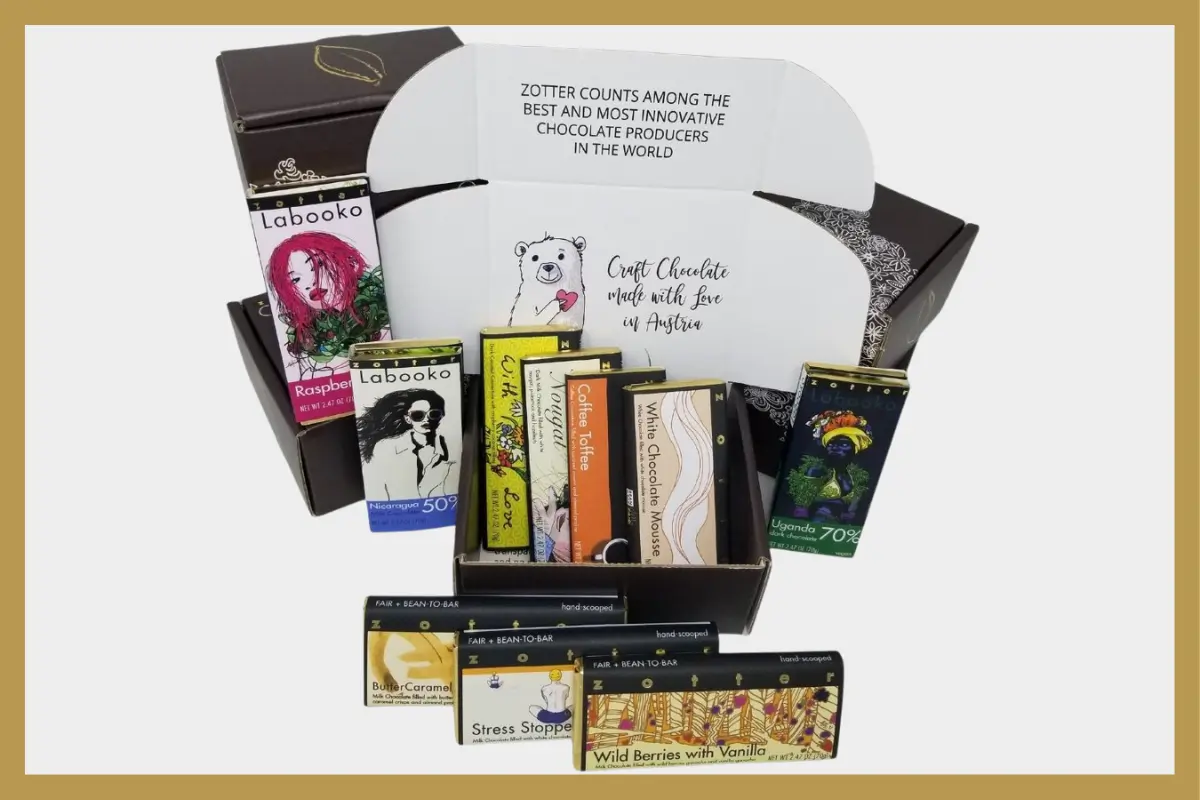
A brand like Zotter, with its artisan approach and bold flavor range, makes that distinction especially exciting because drinking chocolate becomes more than a warm beverage. It becomes another expression of chocolate craft.
How to Choose Between Drinking Chocolate and Hot Cocoa
If you are standing in front of a shelf or browsing a premium chocolate collection, think first about what kind of experience you want.
Choose hot cocoa if you prefer a lighter cup, easy sweetness, and a classic American comfort profile. It is also the simpler choice if you are serving a group with mixed tastes or want something budget-friendly and familiar.
Choose drinking chocolate if you want richer texture, deeper flavor, and a more distinctive sense of real chocolate. It is ideal for gifting, entertaining, and those moments when ordinary just will not do.
Dietary preferences can shape the choice too. Both drinks can be made dairy-free, but drinking chocolate made with high-quality dark chocolate and oat milk or almond milk can be especially elegant. If you love dark chocolate bars, there is a good chance you will prefer drinking chocolate.
How to Spot the Difference on a Package
Labels can be vague, so the ingredient list tells the truth. If the first chocolate ingredient is cocoa powder, you are likely looking at a cocoa-style drink. If the product contains actual chocolate liquor, cacao mass, cocoa butter, or chopped chocolate pieces, it is closer to true drinking chocolate.
Pay attention to sugar placement too. If sugar appears before any cocoa ingredient, expect a sweeter, less chocolate-driven result. Premium products usually make their priorities clear through shorter ingredient lists and more specific chocolate language.
Preparation instructions can also offer clues. Cocoa mixes often dissolve quickly with minimal effort. Drinking chocolate may ask you to melt or whisk more carefully because real chocolate behaves differently than powder.
Is One More Authentic?
That depends on which tradition you mean. Thick drinking chocolate has deep roots in European chocolate culture, and earlier cacao beverages were much closer to drinking chocolate than modern cocoa mix. But hot cocoa has its own legitimate history and a strong place in American food culture.
So the better question is not which one is more authentic. It is which one delivers the kind of pleasure you are after. If authenticity means tasting chocolate in a more complete form, drinking chocolate has the edge. If authenticity means recreating the warm, sweet cup you grew up with, hot cocoa absolutely belongs.
The Cup You Reach For Says a Lot
Drinking chocolate vs hot cocoa is really a choice between two styles of comfort. One is lighter, nostalgic, and effortless. The other is richer, more textured, and closer to the soul of the chocolate itself.
If you have only ever had supermarket cocoa, trying a true drinking chocolate can feel like discovering a category you did not realize you were missing. And if you love the easy charm of hot cocoa, there is no reason to give that up. The smartest chocolate lovers make room for both – and reach for the one that fits the moment.