

A square of origin chocolate can carry the brightness of red berries, the warmth of toasted nuts, the quiet bitterness of black tea, or the deep roundness of caramel. Learning how to taste origin chocolate turns that first bite from a pleasant pause into a small, exquisite act of travel – one that begins with cacao grown in a particular place.
Origin chocolate is not about finding one “best” flavor. It is about noticing character. Cacao from Madagascar may feel lively and fruit-forward; beans from Peru can lean floral, nutty, or gently earthy; a bar from Uganda may offer darker fruit and satisfying depth. Growing region matters, but so do fermentation, drying, roasting, recipe development, and the chocolate maker’s point of view. That is precisely what makes a tasting so rewarding.
What Origin Means in Chocolate
An origin bar identifies where its cacao comes from, whether that is a country, a region, a cooperative, or a specific estate. A single-origin chocolate is made with cacao from one defined source rather than a blend of beans from multiple places. The more specific the origin, the more closely you can consider how place may be expressing itself in the finished bar.
Think of origin as the starting point, not a flavor guarantee. Two makers can use cacao from the same country and produce distinctly different chocolates. One may roast lightly to preserve citrus and floral notes; another may use a deeper roast that brings out cocoa, malt, and roasted nut flavors. Sugar level, cacao percentage, conching time, and added cocoa butter also shape what reaches your palate.
That means a thoughtful tasting asks two questions at once: What does this chocolate taste like? And what might be coming from the bean, the place, and the maker’s craft?
How to Taste Origin Chocolate: Set the Scene
Chocolate deserves a little breathing room. Taste at a time when your palate is clear, ideally not immediately after coffee, wine, spicy food, mint gum, or a strongly flavored meal. A quiet afternoon or the space between dinner and dessert works beautifully.
Serve the bars at cool room temperature, around 65 to 70°F. Chocolate straight from the refrigerator can seem hard, muted, and waxy because its aromas are locked down. If your home is warm, let the bar rest only briefly before tasting so it does not soften too much.
Plain water is the best palate companion. Sparkling water can work, though its bubbles may sharpen the sensation of bitterness for some tasters. Save pairings for a second pass. Your first encounter should be just you and the chocolate.
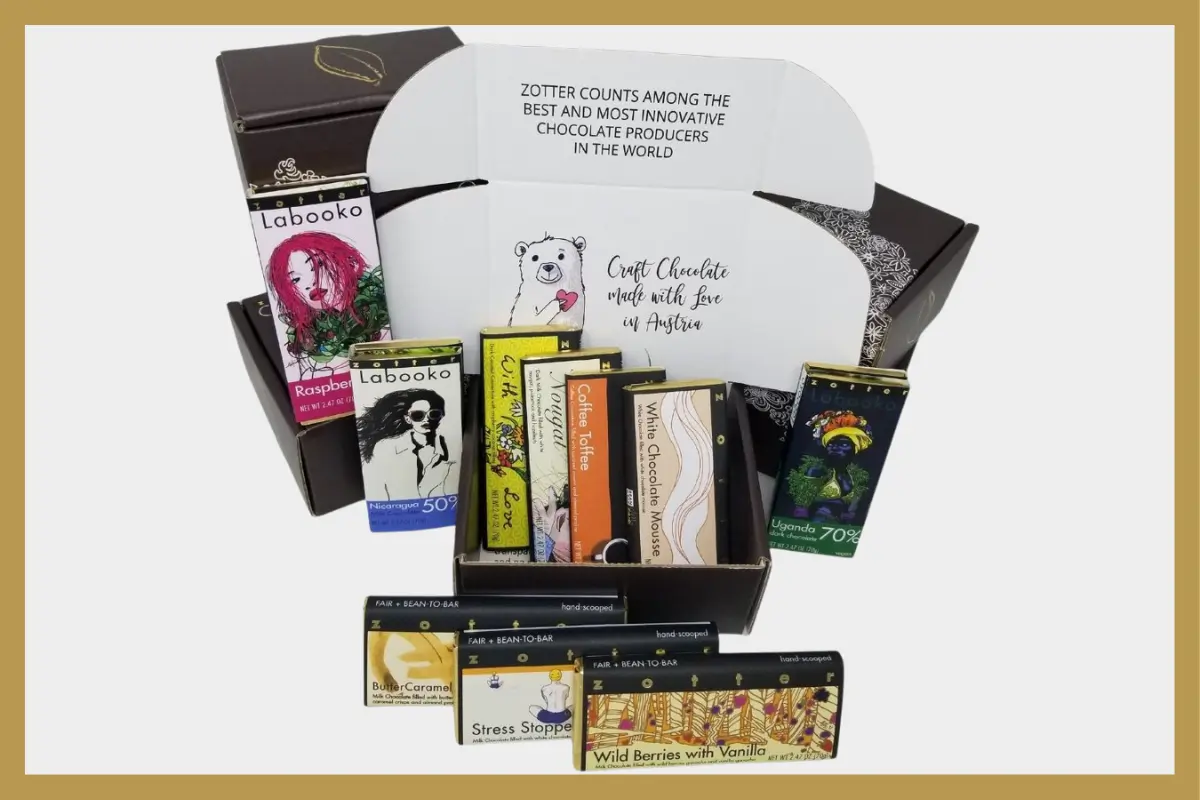
For a revealing mini flight, choose three bars with a shared point of comparison. You might taste three different origins at a similar cacao percentage, or two bars from the same origin made by different chocolate makers. A Zotter pure origin bar is especially well suited to this kind of attentive tasting because it gives the cacao room to speak without the distraction of a filled center.
Taste from lightest to darkest, or from the gentlest profile to the most intense. This helps prevent a high-percentage bar from overwhelming the subtler notes in a more delicate one.
Begin With Your Eyes, Hands, and Ears
Before you take a bite, look closely. Well-tempered chocolate should have an even surface and a soft sheen. A dusty white coating, called bloom, is not usually harmful, but it can indicate that sugar or cocoa butter has migrated to the surface after temperature changes. A bloomed bar may still taste good, though its texture can be less polished.
Break off a small square. Listen for a clean snap, particularly in dark chocolate. That crisp sound suggests stable temper and a well-formed cocoa butter crystal structure. Milkier bars may snap more softly, while very high-cacao bars can be firm and sharp.
Now hold the piece between your fingers for a moment. Notice its thickness and whether it begins to soften quickly. These details are not a test of quality in isolation, but they prepare you to pay attention to texture once the chocolate melts.
Smell Before You Taste
Bring the square close to your nose and inhale gently. Then warm it for a few seconds in your palm or between your fingertips and smell again. Chocolate aroma opens with warmth.
At first, you may notice broad impressions: cocoa, sweetness, roast, vanilla, cream, or toasted nuts. Stay with it. Specific notes often arrive on a second or third smell: dried cherry, orange peel, honey, cinnamon, malt, fresh bread, cedar, yogurt, or black tea.
Do not worry about naming every aroma correctly. Tasting language is descriptive, not a final exam. If a bar reminds you of the smell of a rainy forest floor or the crust of a sourdough loaf, that observation is useful. It gives you a reference point for returning to the chocolate later.
Let the Chocolate Melt, Don’t Chew It Away
Place a small piece on your tongue and let it rest. Resist chewing for the first few seconds. As cocoa butter melts at body temperature, it releases flavor gradually, and this slow unfolding is where origin chocolate becomes especially expressive.
Move the chocolate around your mouth. Notice the first impression, then the middle, then the finish. The opening may be sweet, tangy, creamy, or roasted. The middle often reveals the bar’s core personality: tropical fruit, red fruit, nuts, spice, earth, molasses, or coffee. The finish is where you may find lingering florals, gentle bitterness, clean cocoa, or a drying tea-like quality.
Texture matters just as much. Is the melt creamy and round, silky and quick, or more structured and dense? Does it feel smooth, slightly grainy, buttery, dry, or astringent? A touch of astringency can be pleasant, especially in darker bars, much like the grip of strong tea or a young red wine. If it dominates, however, it may obscure the finer flavors.
Take a small breath through your nose while the chocolate melts. This retronasal smell carries aroma from your mouth to your nose and can make a hidden fruit or floral note suddenly clear.
Separate Bitterness From Flavor
Many people assume darker chocolate is simply more bitter. Sometimes it is. But bitterness is only one part of the picture, and cacao percentage does not tell the whole story.
A 70% bar from one origin can taste bright, sweetly fruity, and remarkably gentle, while another 70% bar can feel intensely roasted and bitter. The difference may come from the beans, the amount and style of roasting, the sugar, or the maker’s approach to refining and conching.
Try to notice whether bitterness feels clean and purposeful or harsh and lingering. Then ask what accompanies it. Bitter cocoa with apricot, honey, and almond is a very different experience from bitter cocoa with smoke and coffee. Acidity also deserves attention. In fine chocolate, acidity can create lift and freshness, like citrus in a dessert. It should not necessarily read as sourness or a flaw.
Build Your Own Flavor Vocabulary
The easiest way to improve your palate is to compare, not to memorize tasting wheels. Taste two chocolates side by side and ask which is brighter, fruitier, creamier, more roasted, or more drying. Contrast makes details easier to recognize.
Keep a few simple notes after each bar. Record the origin, cacao percentage, first aroma, dominant flavor, texture, finish, and one personal association. “Plum jam, walnut, long cocoa finish” is more useful than trying to produce a poetic paragraph on command.
Give the same bar a second taste after a minute or two. Your palate adapts, the chocolate warms, and new dimensions can appear. A bar that first seemed straightforward may reveal cherry, brown sugar, or spice on the return.
Taste With Curiosity, Not Rules
There is no prize for detecting the exact note printed on a wrapper. Tasting notes are invitations, not instructions. If one person finds raspberry and another finds cranberry, both may be responding to the same bright red-fruit character.
Your preferences count, too. You may love the bold, wine-like acidity of a fruit-forward origin or prefer a darker, more grounded profile with notes of nuts, bread, and cocoa. Neither response is more sophisticated. The useful question is why you like it: the brightness, the softness, the roast, the finish, or the balance.
Once you begin tasting slowly, an origin bar stops being just a percentage on a label. It becomes a record of cacao, craft, and your own attention. Break off another square tomorrow, taste it without rushing, and see what it has been waiting to say.