
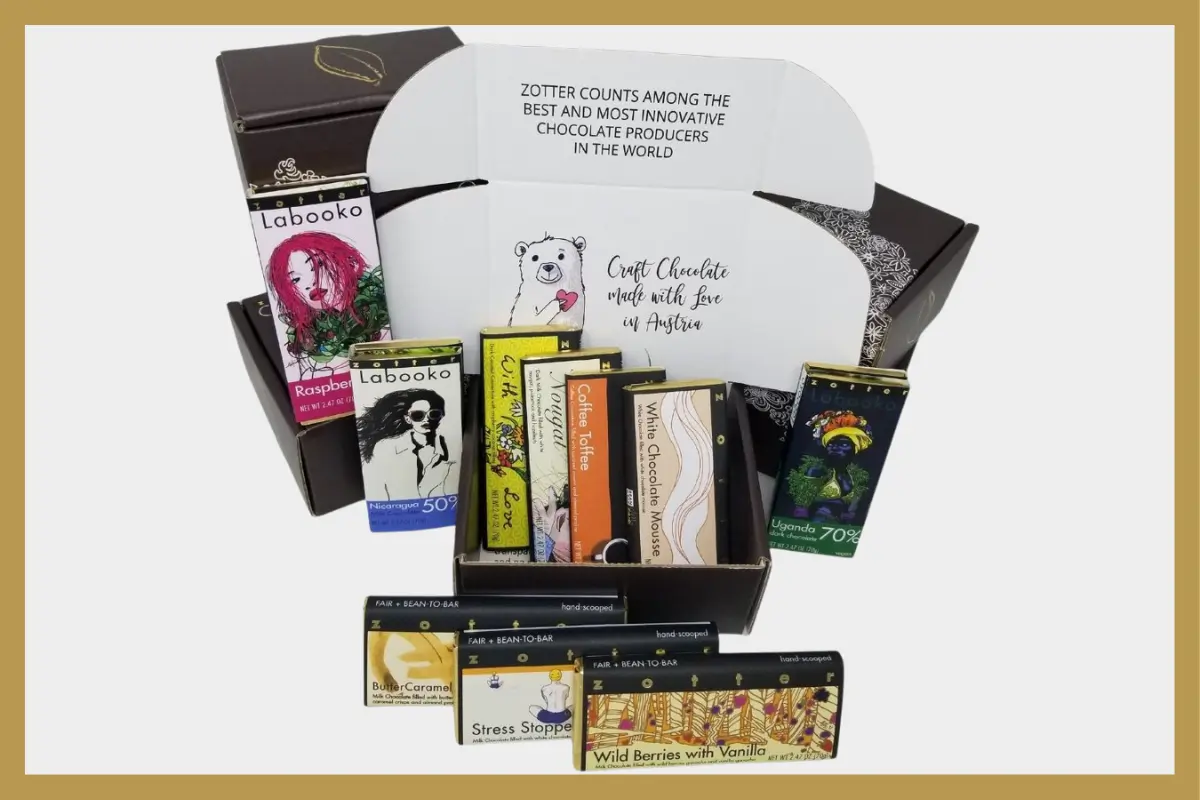
A square of exceptional chocolate can suggest bright raspberry, toasted hazelnut, fresh cream, black tea, or a lingering thread of spice. None of those impressions need to be printed on the wrapper to be real. This guide to chocolate flavor notes helps you recognize what your palate is already noticing, then gives you language for choosing the next exquisite bar with more confidence.
Chocolate tasting is not about proving that you have a perfect palate. It is about paying attention. A quiet minute, a small piece of chocolate, and a little curiosity can reveal why one bar feels vivid and citrusy while another is deep, mellow, and almost coffee-like.
A Guide to Chocolate Flavor Notes: What You Are Tasting
Flavor notes are the aromas, tastes, and textures that emerge as chocolate melts. They are not necessarily added ingredients. A dark chocolate described as having cherry, apricot, or honey notes may contain only cacao beans and sugar. Those impressions can come naturally from the beans, where they were grown, and how they were fermented, dried, roasted, and refined.
Start by separating three related ideas. Taste refers to basic sensations such as sweet, bitter, and sour. Aroma is what you perceive through your nose, including floral, nutty, fruity, earthy, or malty character. Texture is the physical experience: a crisp snap, satin-smooth melt, gentle grain, or plush creaminess. Together, they create the bar’s personality.
A flavor note is best treated as a helpful comparison, not a fixed verdict. One taster may find red berries where another notices tangy plum. Both can be right. The useful question is not, “Did I identify the exact fruit?” It is, “Does this chocolate feel bright or dark-fruited, fresh or jammy, delicate or intense?”
How to Taste Chocolate Without Rushing It
Chocolate changes dramatically over a few seconds. Taste it straight from the refrigerator and you will mostly register firmness and sweetness. Taste it after it has warmed slightly and the aromatic details have room to unfold.
Set the bar up for success
Choose a calm moment away from strong coffee, perfume, candles, or savory cooking smells. Let the chocolate rest at cool room temperature, ideally around 65 to 70 degrees Fahrenheit. Have water nearby, but avoid constantly rinsing your mouth between every bite. A clean palate matters, yet too much water can interrupt the finish.
Break off a small piece. Look at its surface and listen for the snap. A clean snap often signals good tempering, though filled bars and softer styles are naturally more delicate. Hold the piece near your nose before tasting. You may notice cocoa powder, caramel, vanilla, roasted nuts, dried fruit, or a subtle floral lift.
Let it melt, then notice the finish
Place the chocolate on your tongue and let it melt rather than chewing immediately. The opening is often led by sweetness and texture. The middle reveals more of the cacao’s character, while the finish can bring acidity, gentle bitterness, roast, and lingering fruit into focus.
Ask yourself a few simple questions: Is the fruit character citrusy, berry-like, tropical, or dried? Does the roast read as biscuit, coffee, toast, or smoke? Is the texture clean and silky, thick and fudgy, or creamy and expansive? Notice how long the flavor stays after the chocolate is gone. A long, balanced finish is often one of the pleasures of high-end chocolate.
If you are tasting several bars, begin with milk chocolate or lighter cacao percentages and move toward darker, more intense styles. This is not a rule carved in stone. A delicate origin dark chocolate may deserve attention before a boldly spiced milk chocolate. Let intensity, not category alone, determine the order.
Where Chocolate Flavor Notes Come From
Cacao is an agricultural ingredient, not a neutral canvas. The chocolate maker’s skill matters enormously, but the bean arrives with its own potential. Understanding the path from pod to bar makes flavor descriptions more meaningful.
Origin can shape the first impression
Cacao grown in different regions can show distinct tendencies. Some origin chocolates are known for bright citrus, red fruit, and floral character. Others lean toward caramel, nuts, molasses, earth, or deep cocoa. Climate, soil, rainfall, local cacao varieties, and post-harvest traditions all play a role.
Still, origin is not destiny. Two bars made with beans from the same country may taste entirely different because farms, harvests, fermentation methods, and recipes vary. Think of an origin as a compelling clue rather than a promise. It gives you a starting point for discovery, not a shortcut around tasting.
Fermentation and roasting create dimension
After harvesting, cacao beans are fermented and dried. This stage is foundational: it develops the flavor precursors that later become fruity, nutty, malty, or cocoa-rich notes. Poor fermentation can leave chocolate flat, overly astringent, or harsh. Careful fermentation can create nuance without stripping away the bean’s character.
Roasting then shapes the final expression. A lighter roast may preserve floral or tart fruit notes, while a more developed roast can bring toast, coffee, caramel, and darker cocoa depth. Neither approach is automatically better. A delicate bean can become extraordinary with restraint, while a naturally bold bean may benefit from a warmer, more pronounced roast.
Recipe and format change the experience
Cacao percentage is useful, but it does not tell the whole story. A 70% bar can taste sweeter, fruitier, or less bitter than another 70% bar depending on the beans, roast, sugar style, and texture. Higher percentages often bring more cacao intensity, but they can also reveal elegant fruit and floral notes when made with care.
Milk, plant-based ingredients, spices, fruit, nuts, and fillings add another layer. In a hand-scooped filled bar, the shell and center should be tasted as both separate elements and one composition. A bright fruit filling can sharpen a mellow chocolate shell; praline may amplify its toasted, rounded side; a pinch of salt can make caramel and cacao feel more vivid. Zotter’s adventurous assortment is a fine reminder that chocolate can be serious about craft without being serious in spirit.
A Useful Vocabulary for Chocolate Notes
You do not need a professional tasting wheel to speak clearly about chocolate. Begin with broad families, then get more specific when you can. Fruit notes may be fresh citrus, tart berry, stone fruit, tropical fruit, or raisin-like dried fruit. Nut notes can suggest almond, hazelnut, walnut, or peanut brittle.
Roasted notes may bring to mind toast, coffee, malt, biscuit, or cocoa nib. Sweet notes can feel like honey, brown sugar, caramel, marshmallow, or cream. Earthier styles may suggest black tea, tobacco, mushroom, wood, or spice. Floral notes often feel airy and perfumed, such as jasmine, orange blossom, or rose.
Be careful with words that imply flaws. A little bitterness can add structure, especially in dark chocolate. Acidity can be lively and refreshing. Astringency, which creates a drying sensation on the tongue, can be appealing in moderation but distracting when aggressive. Burnt, stale, waxy, or sharply metallic impressions are less likely to be intentional parts of a balanced profile.
Match Your Mood to the Right Flavor Direction
When choosing a bar, start with the experience you want. If you want something bright and surprising, seek fruit-forward origin chocolate or pairings with citrus and berry. For a comforting evening treat, consider milk chocolate, caramel, praline, vanilla, or warm spice. When the occasion calls for drama, choose high-cacao chocolate with espresso, dark fruit, smoke, or a gentle kick of chili.
Gifting benefits from contrast. A selection that includes a pure origin bar, a creamy classic, a vegan creation, and one wildly imaginative filled chocolate gives the recipient a tasting journey rather than four versions of the same moment. Discovery packs are especially useful when the choice feels deliciously overwhelming.
Pairings can either echo or contrast the chocolate. Berry-forward cacao can shine with tea or sparkling wine, while nutty, caramelized styles are at home beside coffee or aged spirits. Keep the first pairing simple. The goal is to hear the chocolate more clearly, not drown it out.
Keep a Small Tasting Memory
The fastest way to refine your palate is to write down three words after each bar: one aroma, one flavor, and one texture or finish. For example: “hazelnut, apricot, silky,” or “coffee, cherry, long finish.” Over time, patterns emerge. You may learn that you love bright, tangy cacao but prefer your indulgent fillings rich and nutty.
Let your preferences lead the next square. The most rewarding chocolate collection is not built around what you are supposed to taste. It is built around the notes that make you pause, smile, and reach for another piece.