
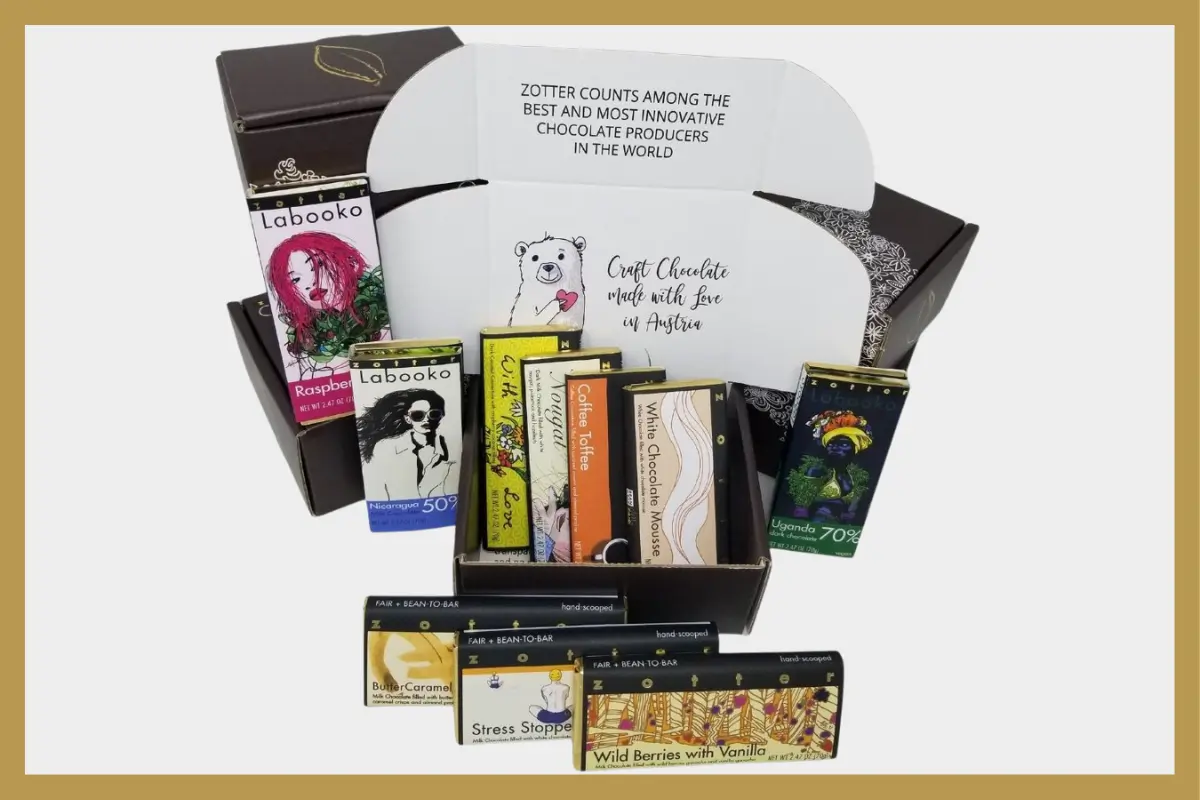
A hand-scooped chocolate bar should arrive ready to delight, not glossy with heat damage or rattling around in a too-large box. Knowing how to mail chocolate comes down to managing three things: temperature, movement, and time in transit. The goal is simple – protect the flavor, finish, and gift-worthy presentation that make artisan chocolate feel extraordinary.
Chocolate is more resilient than it looks, but it is not invincible. Most bars begin to soften around 80°F and can melt more quickly in a delivery truck, mailbox, or sunny front porch. Filled bars, delicate decorations, and bonbons deserve even more care. With the right materials and a little attention to the forecast, you can send a beautiful chocolate gift across the country with confidence.
How to Mail Chocolate in Any Season
The best packing method changes with the weather and the distance. Mailing chocolate from a mild climate for one or two days is very different from shipping it through a summer heat wave or sending it to a desert address where packages may sit outdoors.
Start by choosing the fastest practical shipping service. For cooler conditions, a two-day service is usually a sensible balance of cost and protection. When daytime temperatures are consistently hot, use expedited shipping whenever possible. The less time chocolate spends moving between warehouses, trucks, and doorsteps, the better.
Avoid shipping late in the week. A package sent on Thursday or Friday can spend a weekend in a carrier facility, which adds unnecessary exposure to warm conditions. Monday through Wednesday gives your parcel the best chance of reaching its destination without a long pause en route.
Before packing, check the weather at both ends of the journey, not just at your own address. A cool departure city does not help much if the destination is experiencing 95°F afternoons. Consider the route, too, especially for cross-country shipments. In extreme heat, it may be wiser to wait for a cooler window or send the gift to an address where someone can receive it promptly.
Build a Chocolate-Safe Shipping Box
A premium chocolate shipment needs layers. Each one has a purpose: the inner layer keeps products tidy, insulation slows temperature change, and the outer box protects against crushing.
Begin with the chocolate itself
Keep chocolate in its original sealed packaging whenever possible. The wrapper and carton help shield the bar from moisture, odors, and scuffing. If you are including several bars, arrange them flat and snugly together. Do not place heavy items on top of them, and do not let glass jars, mugs, or other hard gift items share the same unprotected space.
For an elevated gift presentation, add a note card or tissue paper around the boxed chocolates. It is a small detail, but it turns a delivery into an occasion. Just make sure decorative materials do not create empty space that allows the contents to shift.
Add insulation when warmth is a risk
In warm weather, use an insulated shipping liner or a small foam cooler designed for food shipments. A reflective bubble liner can work for short journeys in moderate temperatures, while thicker insulated panels offer better protection for hotter routes.
Cold packs are useful, but they need to be used thoughtfully. Wrap each gel pack in paper or place it in a protective sleeve so direct contact does not create condensation against the chocolate packaging. Position cold packs beside or above the chocolate rather than underneath it. Cold air settles, and a pack at the bottom may not provide the coverage you expect.
Do not assume more cold packs always mean better results. Too many can make a small package overly cold, particularly during winter transit, and melting condensation can damage paper packaging. The goal is cool and stable, not frozen. Chocolate that has been frozen and thawed may develop bloom – pale streaks or spots caused by cocoa butter or sugar moving to the surface. It may still be safe to eat, but its smooth appearance and snap can suffer.
Choose a box that fits
Place the insulated contents inside a sturdy corrugated box. The best box is only slightly larger than the insulated container, leaving enough room for cushioning but not enough for the contents to slide around. Fill gaps with crumpled paper or recyclable padding until nothing moves when you gently shake the box.
A box that is too large creates a surprising amount of risk. As the package is sorted and stacked, loose contents can collide with the sides, bend bars, or crack delicate inclusions. A compact, well-cushioned parcel is more elegant and more practical.
Pack for the Type of Chocolate You Are Sending
Not all chocolate needs the same level of protection. A solid dark chocolate bar is relatively sturdy. A bar with a soft praline filling, a ganache center, caramel, fruit, or layered textures is more temperature-sensitive. Bonbons and truffles require special care because their shells can crack if they are allowed to shift.
For a curated assortment, separate pieces with a firm divider or arrange them in a fitted gift box before adding insulation. This is especially worthwhile for adventurous flavor collections, where the visual surprise is part of the experience. A bar that arrives intact lets the recipient encounter every detail as the maker intended.
If you are mailing premium chocolate such as Zotter’s inventive filled bars, preserve the carton as carefully as the chocolate itself. Beautiful packaging communicates craftsmanship before the first square is tasted. Protect corners, keep labels dry, and avoid using tape directly on a product box.
Timing, Tracking, and the Recipient’s Role
Even the best insulation has limits if a parcel sits on a porch all afternoon. Let the recipient know to expect the delivery, particularly in warm weather. If they work away from home, consider sending chocolate to an office, arranging delivery for a day they will be present, or choosing a location with secure indoor package handling.
Use tracking and follow the shipment as it moves. If a delay appears, the recipient may be able to collect the package from a carrier location rather than waiting for another delivery attempt. This is not always necessary, but it can save a special gift during a heat spell.
For holiday or event gifting, build in a buffer. Shipping early is wise, but sending too early can leave chocolate waiting in a warm house or unopened mailroom. Aim for a delivery date a few days before the occasion, and include a simple note asking the recipient to store the chocolates in a cool, dry place after arrival.
Common Mistakes That Put Chocolate at Risk
The most frequent mistake is relying on a standard mailer during hot weather. Bubble wrap protects against impact, but it does not stop heat. Another is placing cold packs directly against bars, which can cause moisture damage as the packs warm.
It is also tempting to refrigerate chocolate before shipping. In most cases, that is not the answer. Chilled chocolate can collect condensation when it encounters humid air, and a cold bar may not stay cold long enough to make a meaningful difference. If you need temperature control, use insulation and properly separated gel packs instead.
Finally, do not write vague instructions such as “keep cool” and assume the carrier can manage the package differently. Handle the shipping plan yourself through sensible timing, appropriate packaging, tracking, and a recipient who knows a chocolate delivery is coming.
A Quick Pre-Shipment Check
Before sealing the box, ask yourself four questions: Is the chocolate packed tightly enough not to move? Does the forecast call for insulation and cold packs? Can the package arrive within one or two business days? Will someone be able to bring it inside soon after delivery?
If the answer to any of these is no, adjust the plan before the label goes on. A slightly smaller assortment, a faster service, or a different delivery day can make all the difference.
Chocolate is a sensory gift – the snap of the bar, the sheen of the surface, the unexpected flavor inside. Mail it with the same care that went into choosing it, and the person opening the box will taste the thoughtfulness before they even take the first bite.