
A dark bar can say cacao, cocoa, single origin, or 70% – sometimes all at once. For a chocolate lover, cacao versus cocoa can seem like a simple ingredient debate. In reality, the words describe overlapping parts of a much larger story: the cacao tree, the handling of its beans, the choices made in production, and the flavor waiting on the other side of the wrapper.
The short answer is that cacao is the plant and the bean from which chocolate begins, while cocoa often refers to ingredients made from those beans after processing. The longer answer is more delicious – and far more useful when choosing an exquisite bar, a drinking chocolate, or a gift for someone with discerning taste.
Cacao versus cocoa starts with the same bean
Both cacao and cocoa come from the seeds of the Theobroma cacao tree. Cacao pods grow in tropical regions, where farmers harvest the pods, remove the seeds and pulp, and begin the critical work of fermentation. This stage develops the flavor potential that can become notes of red fruit, toasted nuts, caramel, spice, citrus, or deep earth.
After fermentation and drying, the beans may be called cacao beans. From there, they are cleaned, roasted, cracked, and winnowed to separate the shells from the interior pieces, known as cacao nibs. Grind those nibs and they become cacao mass, also called cocoa mass, cocoa liquor, or chocolate liquor. Despite the name, there is no alcohol involved.
That shared vocabulary is why a strict cacao versus cocoa rule can be misleading. The terms are not governed by one universal standard in the way a protected regional wine name might be. A manufacturer may use “cacao” to emphasize origin, bean-to-bar craft, or a less conventional process. Another may use “cocoa” for a classic, beautifully made ingredient. The label tells part of the story. The producer’s methods tell the rest.
What people usually mean by “cacao”
On premium food packaging, cacao commonly signals a close connection to the bean itself. You may see cacao nibs, cacao paste, cacao butter, or cacao powder. The term can feel more agricultural and origin-focused, which makes sense: it points back to the crop, the farmers, and the character of a particular harvest.
Cacao nibs are simply roasted, crushed pieces of the bean. They are crunchy, intensely flavored, and pleasantly bitter, with none of the added sugar or milk that makes a finished chocolate bar taste rounder. They can bring crackle and depth to a filled bar, a dessert, or a savory dish where a little roast and bitterness are welcome.
Cacao butter is the naturally occurring fat pressed from ground cacao. It is one of chocolate’s great luxuries, responsible for that clean melt and satin-like texture. White chocolate contains cacao butter but no cacao solids, which is why it can be true chocolate while offering a completely different flavor experience from a dark bar.
Cacao powder is usually made by pressing much of the fat from cacao mass and grinding the remaining solids. Depending on the brand and process, it may be labeled cacao powder or cocoa powder. The word alone does not tell you whether it will taste fruity, mellow, deeply roasted, or sharply bitter.
The “raw cacao” question
“Raw cacao” is often used to suggest minimal heat treatment. It can be appealing to shoppers looking for a more direct expression of the bean. Yet cacao is typically fermented and dried before it reaches a chocolate maker, and those steps involve heat and natural temperature changes. There is no single universally enforced definition of raw cacao across every product.
That does not make the term meaningless. It simply means it deserves curiosity rather than blind faith. If your priority is flavor, ask how the beans were fermented, roasted, and refined. If your priority is sourcing, look for clear information about organic production, fair trade practices, and the people behind the harvest.
What people usually mean by “cocoa”
Cocoa is the more familiar word in American kitchens. It appears on hot cocoa tins, baking powders, cake recipes, and the ingredient panels of countless chocolate products. Most often, it refers to processed cacao ingredients – especially cocoa powder, cocoa butter, and cocoa mass.
The key word is processed, but that should not be read as inferior. Chocolate requires transformation. Roasting can reveal hidden aroma, reduce unwanted notes, and give a maker precise control over flavor. Grinding and conching create the fine, fluid texture that lets chocolate melt rather than crumble. Skillful processing is not the enemy of craftsmanship. It is craftsmanship.
One useful distinction is between natural cocoa powder and Dutch-process cocoa powder. Natural cocoa is more acidic, often lighter in color, and can taste bright or tangy. Dutch-process cocoa has been treated with an alkalizing agent to lower its acidity. It tends to be darker, mellower, and more soluble in liquids. Neither is automatically better. A brownie recipe may need one or the other for proper leavening, while a drinking chocolate may benefit from whichever profile creates the desired richness.
For a finished bar, “cocoa” may appear in an ingredient list even when the chocolate is exceptionally high-end. Look beyond the term and consider the percentage of cacao content, the ingredient list, the maker’s sourcing standards, and – most importantly – whether the flavor is compelling.
Processing shapes flavor more than the label
If one bar uses the word cacao and another uses cocoa, do not assume the first will be more intense, healthier, or more ethical. A bar’s character is shaped by a chain of decisions that starts long before packaging.
Fermentation sets the foundation. Poor fermentation can leave beans flat, harsh, or astringent. Careful fermentation creates the precursors for complex chocolate flavor. Roasting then guides those flavors toward floral, fruity, nutty, biscuit-like, or deeply toasted territory. A light roast may preserve vivid origin notes; a darker roast can add warmth and familiarity but may soften delicate distinctions.
Then comes the recipe. Dark chocolate may contain cacao mass, cacao butter, and sugar. Milk chocolate introduces milk powder or milk solids for a creamier, caramel-like profile. Filled chocolate adds another layer of imagination: fruit, praline, coffee, spices, spirits, herbs, or even a touch of savory intrigue. The ingredient word cacao or cocoa cannot tell you whether the maker has achieved balance.
A well-made 50% milk chocolate can be just as intentional as an 80% dark bar. The better question is not, “Which has more cacao?” It is, “What experience is this chocolate designed to deliver?”
Is cacao healthier than cocoa?
Cacao solids contain naturally occurring compounds such as flavanols, along with minerals including magnesium and iron. Cocoa powder can contain them too. The exact amount varies based on the bean, processing choices, and the finished product.
Claims that cacao is always healthier than cocoa tend to flatten a nuanced subject. A lightly processed cacao powder may retain a different profile than a heavily alkalized cocoa powder, but that does not turn one spoonful into a cure-all or make the other worthless. A finished chocolate bar also includes sugar, and sometimes milk, fillings, or other ingredients that matter to the overall nutritional picture.
For most people, premium chocolate is best approached as a considered pleasure. Choose a portion that satisfies you, pay attention to ingredient quality, and let flavor lead. A square that is truly interesting often asks for more attention – and less mindless snacking – than a forgettable candy bar.
How to choose chocolate with confidence
Start with the ingredient list. In a dark bar, a concise list often lets the cacao speak clearly: cacao mass or cocoa mass, cacao butter, and sugar, perhaps vanilla. This is not a rule that excludes filled bars or creative recipes. It is simply a useful way to understand what you are buying.
Next, treat cacao percentage as a style indicator rather than a quality score. Higher percentages generally mean more cacao solids and less sugar, but a 90% bar can be elegant or aggressively bitter depending on the beans and craft. A 70% bar may taste brighter and fruitier than an 80% bar from another maker. Origin, roast, sugar level, and texture all change the result.
Finally, look for sourcing with substance. Organic and fair trade certifications can be meaningful signals, especially when paired with transparent commitments to farmers and long-term relationships in cacao-growing communities. Great chocolate should feel generous beyond the palate. It should honor the remarkable agricultural work that makes its flavor possible.
Let curiosity choose the next bar
The most rewarding answer to cacao versus cocoa is not a winner. It is an invitation to taste with more intention. Try a pure dark bar beside a creamy milk chocolate, compare a bright origin profile with a deeply roasted one, or let cacao nibs introduce a little wild crunch to a familiar favorite.
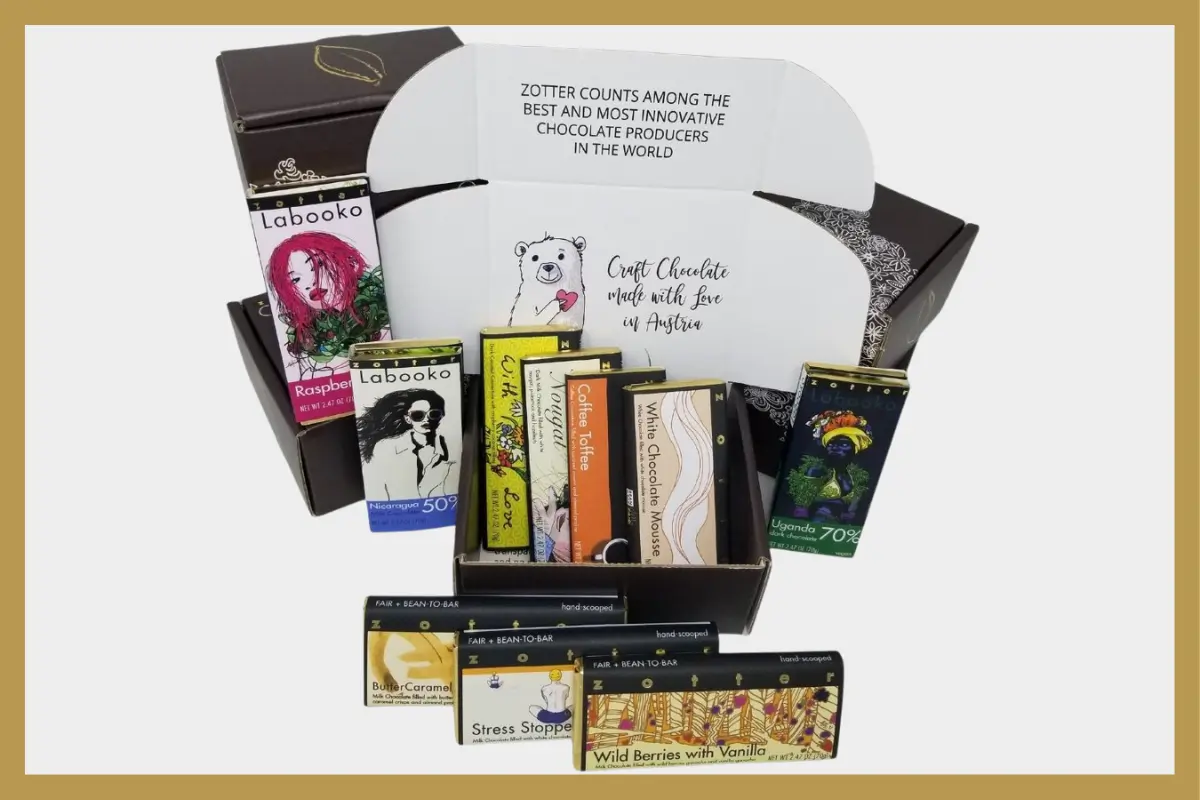
At Zotter, that curiosity has room to roam – from thoughtfully sourced bean-to-bar chocolate to daring fillings that refuse to be ordinary. Choose the label that speaks to your preferences, then trust your palate to make the final call. The best chocolate vocabulary is the one that leads you to another memorable bite.