
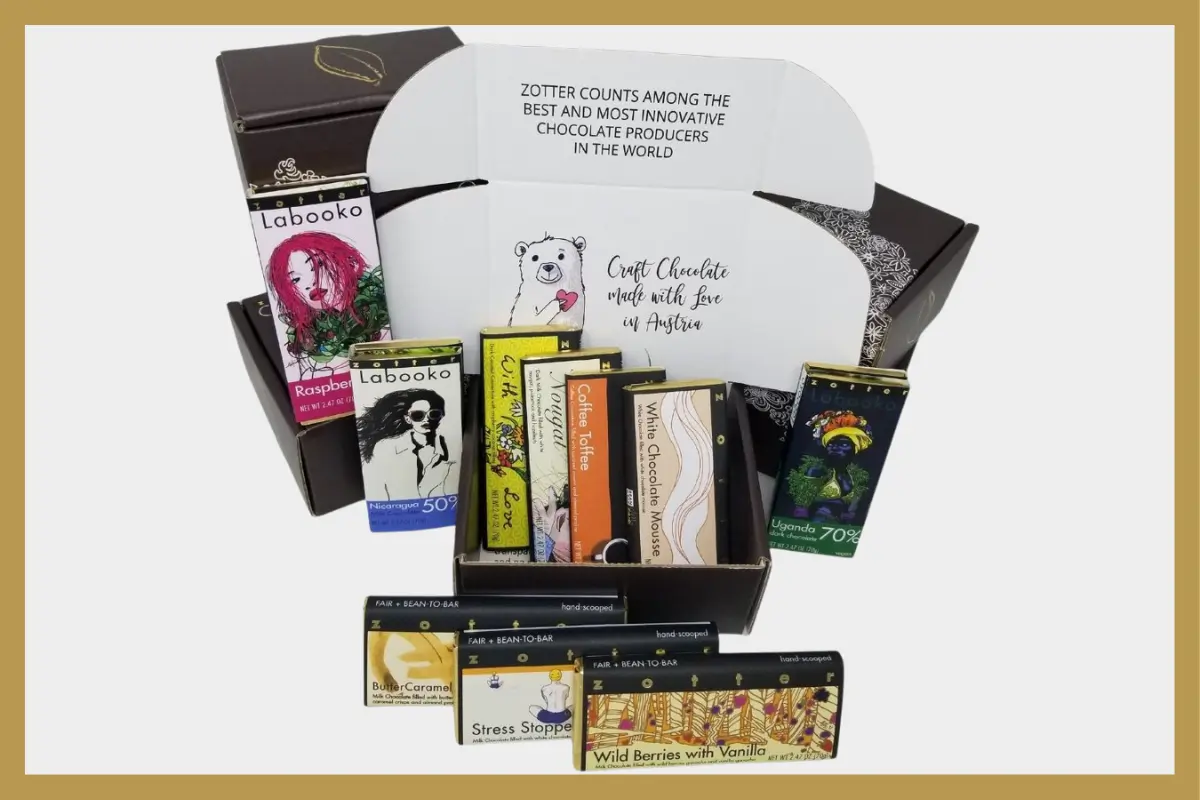
A chocolate wrapper can carry a surprising amount of meaning. Organic. Fairtrade. Rainforest Alliance. Direct trade. These terms can signal real commitments, but they do not all measure the same thing. Cocoa certifications explained clearly means looking beyond a seal and understanding what it can, and cannot, tell you about the bar in your hand.
For a conscious chocolate lover, this is not homework before dessert. It is part of the pleasure. Knowing how cocoa was grown, purchased, and transformed adds depth to every origin, every filling, and every unapologetically bold bite.
Cocoa Certifications Explained: What a Seal Actually Means
A certification is a verified standard. An independent organization sets requirements, then audits farms, cooperatives, traders, or manufacturers against those requirements. The exact scope varies. One certification may focus on agricultural inputs, another on farmer compensation, and another on environmental practices and worker protections.
That distinction matters because no single logo can guarantee that a chocolate bar is perfect in every respect. Certification is meaningful evidence, not a magic wand. It is one part of a larger picture that includes transparent sourcing, long-term farmer relationships, quality-focused production, and a chocolate maker’s willingness to share how its cocoa is purchased.
For shoppers, certifications are an excellent place to start. They make complex supply chains more visible and set a baseline that conventional cocoa does not always provide.
Organic Cocoa: A Standard for How Cacao Is Grown
Organic certification addresses agricultural practices. Certified organic cocoa is grown without most synthetic pesticides, herbicides, and fertilizers, according to a defined standard and verification process. It can encourage healthier soils, greater biodiversity, and farming systems that work with local ecosystems rather than against them.
In chocolate, organic also has an ingredient-level implication. When a bar is certified organic, the other ingredients in the recipe, such as sugar, milk, nuts, or spices, must meet applicable organic requirements as well. That makes the label especially useful for shoppers who care about the full ingredient list, not only the cacao.
Organic is not automatically synonymous with fair pay. A farm can use excellent organic methods while still facing low commodity prices or unstable market access. That is why organic and fair trade certifications often appear together: one speaks primarily to how ingredients are grown, while the other addresses the commercial conditions around them.
There is also a flavor reason to care. Carefully cultivated cacao, especially from smallholder farms working with varied shade trees and thoughtful post-harvest practices, can develop remarkable complexity. Certification does not create flavor on its own, but farming choices can support the landscape where exceptional cacao begins.
Fairtrade and Fair Trade: Following the Money
Fairtrade certification is designed to improve trading conditions for farmers and workers. Its standards typically include a minimum price intended to offer protection when market prices fall, plus an additional premium that producer organizations can invest in according to community priorities. Those investments may support schools, equipment, healthcare, crop improvements, or local infrastructure.
The language can be confusing. Fairtrade, written as one word with a capital F, often refers to a specific certification system and label. Fair trade, written more generally, describes purchasing practices built around fair pricing, transparency, and long-term partnership, whether or not a product carries a particular seal. At Zotter, this is where our approach lives: we source through the World Fair Trade Organization’s ten principles of fair trade, and we pay higher premiums per tonne for our organic, fine-flavor cocoa, well above standard market pricing, because we see that premium as an investment in the farmer relationship rather than a cost to minimize.
Certifications also differ in what they weigh most heavily. Rainforest Alliance, for example, leans toward environmental criteria such as farm management and forest conservation, with social and economic protections built in at a lighter level. Fairtrade and WFTO principles put farmer income and community investment at the center: minimum pricing, premiums that fund schools and infrastructure, and transparency between grower and buyer. At Zotter, organic, fair trade, and social standards aren’t separate checkboxes. A healthy farm and a healthy livelihood are the same goal to us, not a trade-off.
Rainforest Alliance: Farms, Forests, and Resilience
Rainforest Alliance certification takes a broad approach that combines environmental, social, and economic criteria, though its emphasis tends to fall more heavily on the environmental side: farm management, forest conservation, and climate resilience. Its programs focus on more sustainable farming practices, worker conditions, and long-term farm viability.
For cocoa, the environmental focus can matter enormously. Cacao is vulnerable to changing weather patterns, pests, and soil degradation. Practices such as shade management, soil stewardship, and diversified planting can help farms become more resilient over time. Certification can provide a framework and training, though results depend on implementation, local conditions, and sustained investment.
At Zotter, we look at that same landscape and weigh the social side just as heavily as the environmental one. Organic farming, fair pricing, and strong labor standards aren’t separable from a farm’s long-term health, in our view; they’re what makes that health possible in the first place. That’s why our own sourcing centers on organic certification and fair trade principles through the WFTO rather than a primarily environmental framework. Fine chocolate is an agricultural product before it becomes an exquisite confection, and for us, the people growing that cacao are as central to its future as the soil they grow it in.
Is Direct Trade a Certification?
No. Direct trade is generally not a third-party certification. It is a sourcing model in which a chocolate maker works more directly with farmers, cooperatives, or exporters, often with an emphasis on relationship building, price transparency, and quality incentives.
That can be deeply valuable. A maker may pay well above commodity prices for distinctive cacao, share feedback on fermentation and drying, and return to the same partners year after year. Direct relationships can reward farmers for producing cacao with exceptional flavor potential, which is particularly relevant for bean-to-bar chocolate.
But direct trade has no universal definition or independent audit. One company’s direct trade program may be exceptionally detailed and transparent; another may use the phrase loosely. Treat it as an invitation to ask better questions. Who grows the cocoa? How is the price set? Is the relationship ongoing? What information does the maker share?
The strongest sourcing stories often combine approaches. A company may buy certified organic and Fairtrade cocoa while also investing in close, long-term supplier relationships. At Zotter, organic and fair trade sourcing sit naturally beside a bean-to-bar philosophy that treats cacao as a craft ingredient worthy of care from origin through finished chocolate.
How to Read Cocoa Labels Without Overthinking Them
Start with the certification seal, then look for context. A high-quality chocolate maker should make it reasonably easy to understand the cacao’s origin, the ingredients used, and the values behind its sourcing. Specificity is more persuasive than vague promises.
When comparing bars, consider these questions:
- Does the package name a recognized certification and explain what it covers?
- Is the cacao origin identified by country, region, cooperative, or farm?
- Does the maker distinguish between a certified claim and its own sourcing practices?
- Are the ingredients straightforward and suited to the style of chocolate?
A bar does not need every possible seal to be thoughtfully made. Small producers may face the cost and administrative burden of certification even when they farm responsibly. Conversely, a certified bar may still offer limited detail about flavor, origin, or its maker’s broader purchasing practices. The most useful approach is to weigh verified certifications alongside transparency, traceability, and the maker’s consistency over time.
Why Ethical Sourcing Changes the Chocolate Experience
Cocoa certification can sound abstract until you taste what careful sourcing makes possible. Better cocoa is not merely a moral category. It can be more expressive, with notes that move beyond sweetness into berry, citrus, roasted nuts, caramel, florals, spice, or deep earthy warmth. Fine cacao deserves recipes that let those qualities speak, whether that means a pure origin bar or an adventurous filling built around a precise flavor contrast.
There is a trade-off, of course. Certified, carefully sourced chocolate often costs more than mass-market candy. It also may be made in smaller batches, use more expensive ingredients, and arrive with a shorter but more intentional ingredient list. For many chocolate lovers, that is exactly the point: fewer forgettable bites, more memorable ones.
The next time a wrapper catches your eye, let the certification be the beginning of the story. Choose the bar whose flavors tempt you, whose ingredients feel considered, and whose sourcing reflects the kind of chocolate future you would be proud to savor.