
A beautiful chocolate bar begins long before the cocoa is roasted, refined, filled, and wrapped. Can chocolate be ethically sourced? Yes – but the answer depends on whether a brand treats ethical sourcing as a meaningful, ongoing responsibility rather than a convenient line on the package.
For chocolate lovers, this is not a reason to give up a favorite indulgence. It is a reason to become more discerning about it. Exceptional chocolate should offer pleasure, craft, and flavor worth lingering over, while also showing respect for the people and landscapes that make cacao possible.
Can Chocolate Be Ethically Sourced From Bean to Bar?
Ethically sourced chocolate is chocolate made with cacao purchased in a way that aims to improve conditions for farming communities, protect ecosystems, and create a more transparent supply chain. That definition sounds straightforward. The real work is not.
Most of the world’s cacao is grown by smallholder farmers, often in regions where volatile commodity prices, limited infrastructure, and historic inequities make it difficult to earn a dependable living from cacao alone. When cocoa is treated solely as a cheap global commodity, the pressure travels downhill. Farmers can be paid too little, forests can be cleared to expand production, and child labor risks can become harder to address.
A more ethical model starts with the price paid for cacao, but it cannot stop there. Responsible chocolate makers build relationships that last beyond a single harvest. They seek traceability, support higher-quality cultivation, and work with partners who share clear expectations around labor and environmental practices. The goal is not a spotless story. It is a supply chain that is more accountable, more equitable, and capable of getting better over time.
Bean-to-bar production can make that work more visible. When a maker is closely involved in selecting and processing cacao, there is a greater opportunity to understand where the beans came from and how their character is preserved. Still, bean-to-bar alone is not a guarantee of ethics. A small batch can be beautifully made and poorly sourced; a larger operation can have strong sourcing systems. Details matter more than a romantic label.
What Fair Trade and Organic Certifications Tell You
Certifications can be valuable tools for shoppers, especially in a category with a complicated supply chain. Fair trade standards generally focus on improving trading conditions and supporting producer communities through measures such as minimum pricing, premiums, democratic organization, and labor requirements. Organic certification focuses on how ingredients are grown and processed, including restrictions on many synthetic pesticides and fertilizers.
Together, fair trade and organic sourcing can signal a serious commitment to people and planet. Fair trade can help create more stable economic conditions for growers. Organic farming can encourage soil stewardship and reduce reliance on certain chemical inputs. For a luxury chocolate bar, those values can sit naturally beside flavor: carefully grown cacao often has a distinctive sense of place, from bright fruit and citrus notes to roasted nuts, caramel, or gentle spice.
But certifications are not magic stamps. Standards vary, audits have limits, and a seal cannot reveal every detail of a farm’s lived reality. Certification costs can also be difficult for some small producer groups to manage, even when their practices are responsible. The most credible brands treat certifications as a foundation, then go further with direct information about origin, purchasing relationships, and the work still ahead.
Traceability Makes Better Questions Possible
Traceability means a brand can identify where its cacao came from, ideally down to a cooperative, community, or specific growing region. It does not always mean every consumer can trace each bean to one farm. Cocoa is often collected and fermented through cooperatives or local buying networks, and that structure can be essential for small farmers to reach export markets.
What traceability does provide is accountability. If a chocolate maker knows its sourcing partners, it can ask better questions: Who is paid, and how? How is cacao fermented and dried? What safeguards exist around labor? Are farms expanding into protected forest? What does a producer community need to thrive beyond the next season?
For the chocolate eater, origin also creates a richer tasting experience. Cacao from Peru will not necessarily taste like cacao from Madagascar, Tanzania, or the Dominican Republic. Genetics, climate, fermentation, drying, and roasting all shape the final flavor. A bar that names its origin invites you to taste chocolate as an agricultural product with personality, not simply as a sweet brown backdrop for sugar.
Ethical Sourcing Has Environmental Trade-Offs
Cacao needs healthy land to have a future. That makes environmental care central to ethical chocolate, not a separate concern.
Cacao can be grown in agroforestry systems, where cacao trees live among shade trees and other crops. Well-managed systems can support biodiversity, protect soil, and give farmers additional sources of food or income. Organic approaches can strengthen this vision by emphasizing soil health and avoiding many synthetic chemical inputs.
Yet no origin, certification, or farming method can be reduced to a simple good-or-bad label. A farm may use shade trees but struggle with disease. A cooperative may be organic but face costly logistics. Higher farmer payments can mean a higher retail price, especially for chocolate crafted with high-quality ingredients and smaller-scale production. That is not a flaw in ethical chocolate. It is often the more honest cost of making room for craft, labor, and care.
The useful question is not whether a bar is perfect. It is whether the company is prepared to show its work and invest in progress rather than hiding behind vague phrases like responsibly made.
How to Choose More Ethical Chocolate
You do not need to interrogate every square before enjoying it. When choosing a gift, a pantry favorite, or a tasting bar, look for a few clear signs that a maker takes sourcing seriously:
- Named certifications, such as fair trade and organic, rather than broad claims with no explanation.
- Origin information that identifies a country, region, cooperative, or producer partner.
- Specific sourcing language about farmer relationships, pricing commitments, labor standards, or environmental practices.
- Ingredient lists that reflect the chocolate’s purpose, with recognizable cacao and quality ingredients rather than unnecessary fillers.
A brand’s willingness to be precise matters. Responsible sourcing is complex, so trustworthy communication usually sounds specific rather than grandiose. It recognizes that farmers deserve more than visibility in a marketing campaign. They deserve fairer economic participation in the value created by the cacao they grow.
Why Flavor Belongs in the Ethical Conversation
Ethics and indulgence are sometimes framed as competing priorities: choose the virtuous bar, or choose the delicious one. That is a false choice. The best chocolate makes the connection between the two feel natural.
Careful sourcing gives chocolate makers access to cacao with character. Careful processing protects that character. Then artistry takes over: a pure origin bar that lets bright, aromatic cacao speak clearly; a hand-scooped creation with fruit, nuts, spices, or an unexpected savory note; a vegan recipe built for depth rather than compromise.
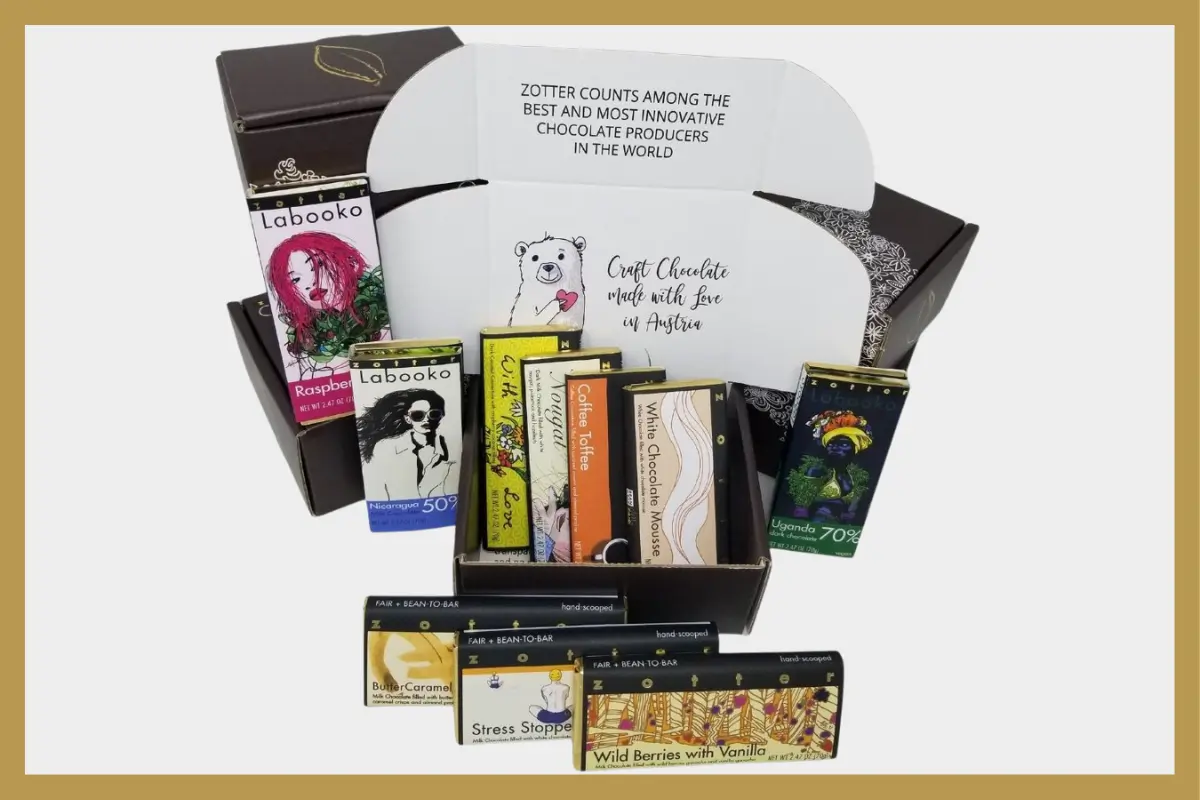
That is part of the pleasure behind Zotter’s approach to chocolate: sourcing principles and fearless flavor belong at the same table. A thoughtfully made bar can be both an exquisite gift and a small expression of the food system you want to support.
The next time you choose chocolate, let curiosity lead. Read the origin, notice the certifications, ask what the maker is willing to share, and then taste slowly. A more ethical future for cacao is built not by settling for less delight, but by expecting more meaning from every remarkable bite.