
A great cup of drinking chocolate does not simply taste sweet. It arrives with aroma first – roasted cacao, warm milk, perhaps a flicker of spice – then lingers with a texture that feels composed rather than heavy. The best drinking chocolate flavors offer that kind of small luxury: enough character to be memorable, enough balance to invite another sip.
Unlike a powdered cocoa drink, proper drinking chocolate begins with real chocolate. That distinction matters. Cacao percentage, origin, sweetness, added spices, and the milk or plant-based alternative in your mug all shape the final experience. A delicate floral chocolate can get lost in heavily flavored oat milk; a deep, bitter dark chocolate may become beautifully rounded with whole milk. There is no single right choice, only the right cup for the moment.
What Makes a Drinking Chocolate Flavor Exceptional?
The most satisfying flavors have a clear point of view. Pure dark chocolate should taste like cacao, not merely sugar with a brown color. A chili version should offer warmth that builds rather than a harsh blast of heat. Fruit should bring brightness and perfume without turning the cup into candy.
Texture is equally central. European-style drinking chocolate is often richer and silkier than everyday hot cocoa, but richness needs restraint. The goal is a cup with enough body to feel indulgent while still allowing the flavor of carefully made chocolate to speak. Start with less liquid for an intense, almost dessert-like pour; add more for a gentler afternoon cup.
10 Best Drinking Chocolate Flavors
1. Classic Dark Chocolate
This is the benchmark and the flavor that reveals the quality of the chocolate itself. A well-made dark drinking chocolate can show notes of roasted nuts, dried fruit, coffee, or red berries, depending on the cacao. It is ideal for people who prefer a less sugary cup and for anyone who wants to understand why bean-to-bar chocolate tastes so much more layered than conventional cocoa.
Use dairy milk when you want softness and a rounded finish. Choose water, or a restrained plant milk, when you want the cacao’s origin character to remain front and center.
2. Milk Chocolate
Milk chocolate drinking chocolate is not the lesser, sweeter sibling of dark. At its best, it is caramel-like, creamy, and exceptionally comforting, with a gentle cocoa finish. This is often the most crowd-pleasing choice for sharing, gifting, or serving after dinner when guests want indulgence without intensity.
The trade-off is complexity. Milk can soften the sharper edges and nuanced acidity of cacao, which is precisely why it works so well with toasted pastries, shortbread, and a quiet rainy afternoon.
3. Dark Chocolate with Chili
Chili and chocolate belong together because each makes the other feel more alive. The cacao brings depth; the chili draws attention to its fruitiness and leaves a warming trail at the back of the palate. The finest versions do not taste aggressively spicy at first sip. They begin smooth, then slowly gather heat.
This is a natural choice for adventurous palates and a superb finish to a savory meal. If you are sensitive to spice, make the cup slightly milder with more milk rather than avoiding the flavor entirely.
4. Orange Chocolate
Orange is one of chocolate’s most elegant companions. Its citrus oils cut through richness and lift dark cacao’s naturally fruity side, creating a cup that feels both vivid and familiar. Look for a profile that leans toward fresh zest rather than syrupy orange candy.
Orange drinking chocolate is especially good in cooler weather, though its brightness makes it one of the few rich chocolate flavors that can feel refreshing. Serve it with almond biscotti or a simple butter cookie and let the pairing do very little.
5. Hazelnut Chocolate
Hazelnut brings a toasted, praline-like character that turns drinking chocolate into a velvet-smooth dessert experience. It is generous, aromatic, and quietly luxurious, particularly with a darker chocolate base that keeps the nuttiness from becoming overly sweet.
For many people, this is the gateway from classic flavors into more imaginative ones. It remains familiar enough for a traditionalist but has enough depth for a serious chocolate lover. Those with nut allergies, of course, should choose another direction.
6. Cinnamon Chocolate
Cinnamon adds warmth without demanding attention. In a balanced drinking chocolate, it should feel woven into the cacao rather than sitting on top of it. The result is fragrant, gently spiced, and ideal when you want a cup with seasonal character that does not rely on a mountain of sugar.
This flavor is particularly lovely with oat milk, whose natural cereal sweetness echoes cinnamon’s bakery-like warmth. A small pinch of sea salt can sharpen the chocolate notes if you prepare your cup at home.
7. Vanilla Chocolate
Vanilla is often misunderstood as plain. Real vanilla has floral, woody, almost bourbon-like complexity, and it can make chocolate taste deeper rather than sweeter. A vanilla-infused cup is a graceful option for those who appreciate subtlety and for moments when bold spice or fruit feels like too much.
It also rewards careful preparation. Heat the milk gently, whisk patiently, and avoid boiling. High heat can flatten vanilla’s perfume and obscure the creamy finish that makes this flavor so appealing.
8. Coffee or Espresso Chocolate
Coffee intensifies chocolate’s roasted side, adding a grown-up edge that feels especially right in the morning or after a long dinner. The best versions are not merely mocha. They preserve the distinction between cacao and coffee, letting bitterness, caramel, and gentle acidity play against one another.
Choose this flavor when you want a smaller, more concentrated cup. It pairs beautifully with a buttery croissant, but it can also stand in for dessert on its own. If caffeine is a concern, check the ingredients rather than assuming every coffee-chocolate blend contains the same amount.
9. Raspberry Chocolate
Raspberry gives drinking chocolate a bright, tart lift. Against deep cacao, it can suggest jam, red wine, and fresh fruit all at once. This is a flavor for people who enjoy contrast: sweetness and acidity, richness and freshness, comfort and surprise.
Fruit-forward drinking chocolate is often at its best with dark chocolate, where the berry has enough structure to work against. It makes a particularly festive offering for a special breakfast, a Valentine’s gathering, or an elegant dessert course.
10. Salted Caramel Chocolate
Salted caramel drinking chocolate leans into pure pleasure. The salt keeps the caramel from becoming cloying, while chocolate supplies the needed backbone. It is plush, buttery, and unmistakably decadent – a flavor for nights when restraint is not the assignment.
Because it is inherently rich, use a smaller mug and serve it with something crisp or lightly savory. A few salted almonds or plain popcorn can make the experience even more compelling.
How to Choose Among the Best Drinking Chocolate Flavors
Start with the mood, not the ingredient list. For a focused, cacao-first ritual, choose classic dark or coffee chocolate. For comfort, milk chocolate, vanilla, hazelnut, and salted caramel offer a softer landing. For a cup with energy and contrast, orange, raspberry, chili, or cinnamon provide a more expressive route.
Then consider sweetness and texture. A higher cacao percentage usually brings greater intensity and less overt sugar, though the final balance depends on the recipe. If you enjoy a dense European-style cup, use less liquid and whisk it until glossy. If you prefer something closer to a leisurely hot chocolate, increase the milk gradually until it suits you.
For plant-based drinkers, dark, orange, chili, and raspberry profiles often hold up particularly well because their bolder notes remain clear beside oat, almond, or soy milk. Coconut milk can be delicious with cinnamon or chili, but its flavor is assertive, so it will change the intended profile. Vegan does not have to mean an afterthought when the chocolate is made with serious attention to cacao and ingredients.
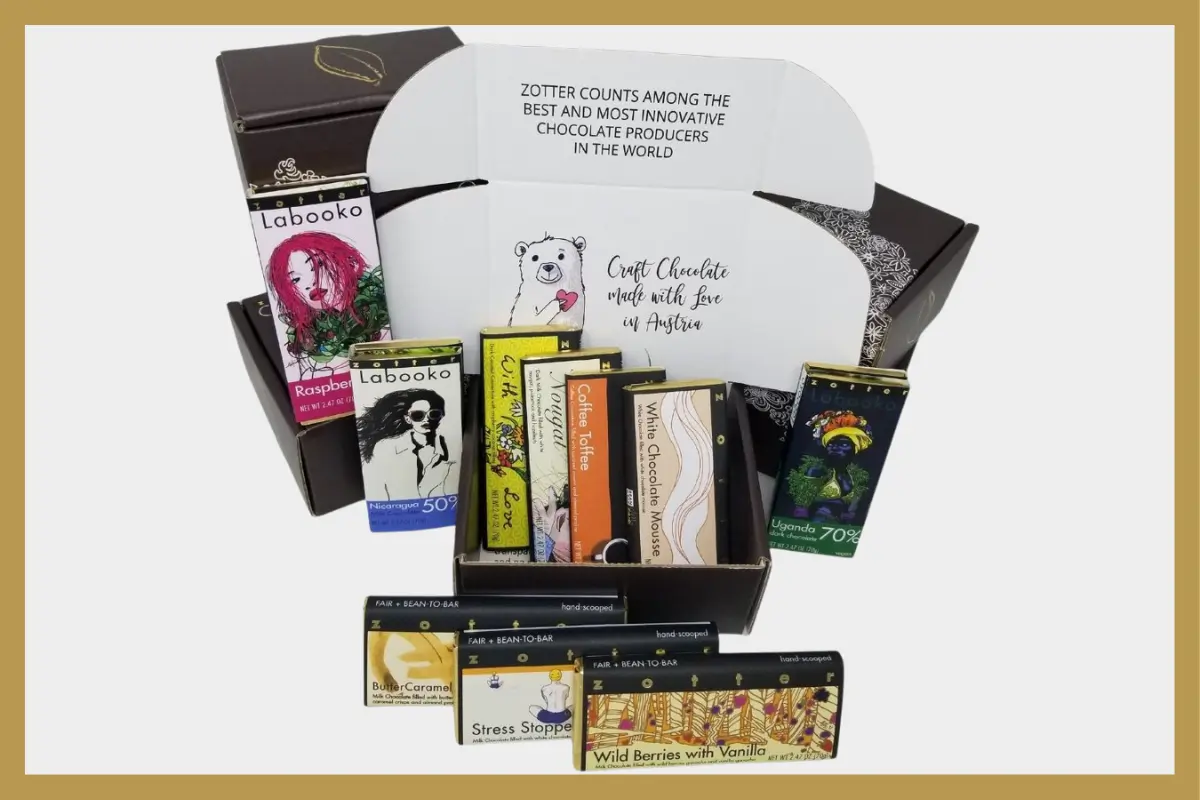
A discovery-minded assortment is the most enjoyable way to find a personal favorite. Zotter’s approach to chocolate makes a compelling case for tasting beyond the predictable: start with a classic, add a spice, then try a fruit or nut variation. The contrast teaches your palate what you actually love.
Make the Cup Worthy of the Chocolate
Warm your mug first. Gently heat your chosen liquid rather than boiling it, then add finely chopped drinking chocolate or chocolate pieces a little at a time. Whisk until the surface looks smooth and lightly glossy. This takes only a few minutes, but it changes the result from an ordinary warm drink into something more considered.
A final thought: choose the flavor that makes you curious, not the one that sounds safest. The most memorable drinking chocolate is often the cup that introduces a new note – a flash of citrus, a slow bloom of chili, a surprising berry brightness – while still giving cacao the last word.