
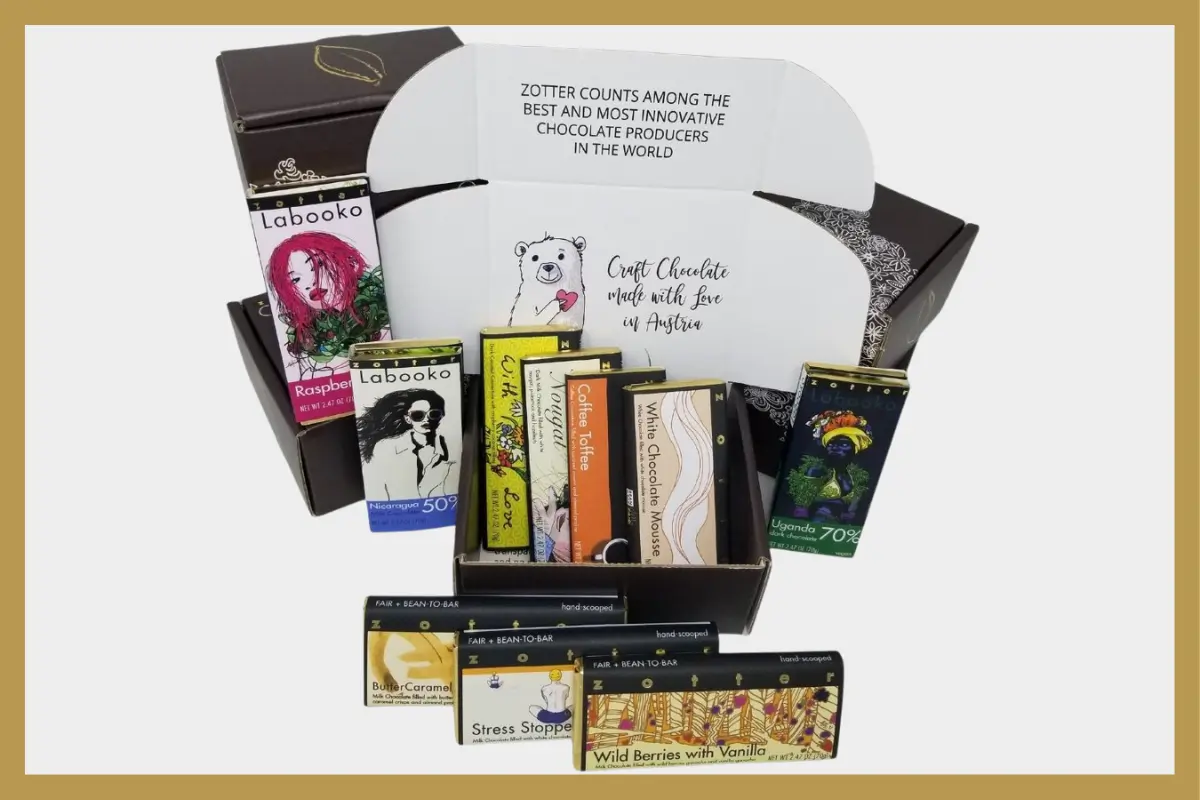

A memorable chocolate gift should feel less like a pile of sweets and more like an invitation: taste this first, save that for later, compare the unexpected one with the classic. The best curated chocolate sampler ideas create that sense of occasion, whether you are sending a thank-you, hosting a dinner, or giving yourself a very good reason to pause.
A premium sampler is not about choosing the most pieces. It is about creating contrast, rhythm, and a little surprise. Begin with chocolates that share a point of view – a cacao origin, a flavor family, a season, or a mood – then make room for a few delicious curveballs. That is how a box becomes a tasting experience.
How to Build Curated Chocolate Sampler Ideas That Feel Personal
Start with the person, not the packaging. A dark chocolate devotee may appreciate a progression through cacao percentages and origins, while a curious foodie may be far more delighted by bright fruit, herbs, nuts, spices, or a playful filling. If you do not know their preferences, a balanced selection of familiar and adventurous flavors is the safest high-end choice.
Aim for five to nine distinct bars or pieces. Fewer can feel intentional and luxurious; more can work for a family, office, or serious tasting night. Include a range of textures and sweetness levels, but avoid building a sampler where every chocolate competes at the same intensity. A creamy milk chocolate, a pure dark bar, a fruit-forward creation, and a sophisticated savory note give the palate somewhere to travel.
1. The Bean-to-Bar Origin Flight
For the chocolate enthusiast who reads labels before taking a bite, build a flight around cacao origin and percentage. Select several dark chocolates made with cacao from different growing regions, ideally moving from a gentler percentage to a more intense one.
Serve each square at room temperature and taste slowly. The point is not to identify a single “best” bar. It is to notice how terroir changes chocolate: one origin may suggest red fruit and honey, while another carries roasted nuts, citrus, or a deeper earthy finish. This sampler is elegant, educational, and especially fitting for a host gift.
2. The Sweet-to-Savory Adventure Box
Chocolate is at its most exciting when it refuses to be predictable. Begin with a classic caramel or hazelnut selection, then turn toward flavors with chili, coffee, salt, herbs, or a touch of spice. The progression should feel daring without becoming a stunt.
This is a strong choice for food lovers who already have opinions about olive oil, hot sauce, or natural wine. A chocolate with a savory accent can be the piece everyone talks about after dinner, but include one or two comforting flavors so the selection remains generous rather than intimidating.
3. The Dessert Course Sampler
Create a full dessert menu in chocolate form. Think fruit and cream, nut praline, espresso, caramel, cheesecake-inspired fillings, or a bright citrus finish. Arrange the sampler as you would a restaurant tasting: lighter and fruitier chocolates first, richer and darker choices toward the end.
This idea works beautifully for birthdays, anniversaries, and dinner-party gifting. Add a handwritten tasting order if you are assembling the box yourself. It gives the recipient an easy place to start while preserving the pleasure of choosing their own favorite.
4. The Vegan Chocolate Discovery Set
A dairy-free sampler should never feel like a compromise. Look for chocolates made with thoughtful plant-based ingredients and substantial cacao character, rather than relying on sweetness to fill the gap left by milk. Coconut, oat, nut pastes, fruit, and high-quality dark chocolate can bring body, silkiness, and complexity.
Mix clean, pure dark bars with filled vegan selections for variety. This is an excellent gift for a host, colleague, or friend when dietary preferences are part of the occasion. Just confirm ingredients and allergen information before presenting it as suitable for a specific diet.
5. The Coffee and Chocolate Pairing Box
Coffee and chocolate share more than a caffeine-adjacent reputation. Both can show floral, nutty, fruity, roasted, and caramelized notes, which makes them natural tasting partners. Build a sampler with milk chocolate for lighter roasts, nutty or caramel-forward chocolate for medium roasts, and bold dark chocolate for espresso or a deep French roast.
For a more adventurous twist, include a coffee-filled chocolate or a bar with a subtle spice note. The trade-off is intensity: too many dark, roasted flavors in one box can flatten the experience. A fruit-forward chocolate keeps the selection lively between richer pairings.
6. The Wine Night Chocolate Selection
Wine-and-chocolate pairings can be magnificent, but matching dark with red is not a universal rule. Tannic red wine can make a very bitter chocolate taste sharper. Instead, choose chocolates with a touch of fruit, caramel, or cream alongside dark bars, and consider styles of wine that offer their own sweetness or roundness.
A ruby-like berry chocolate can complement a fruit-driven red. A caramel or nut-filled selection can be lovely with a tawny-style dessert wine. For sparkling wine, look for creamy milk chocolate or a bright citrus note. Keep the sampler concise so each pairing has room to make its case.
7. The Ethical Indulgence Gift
For a recipient who cares about how food is made, create a sampler centered on organic, fair trade, and bean-to-bar chocolate. These details are not decorative. They speak to cacao sourcing, production standards, and the care behind a luxury product.
Zotter is a natural fit for this kind of selection, pairing Austrian craft with organic and fair trade cacao in chocolates that range from pure origin bars to imaginative filled creations. Combine a few straightforward dark bars with bolder flavors so the gift reflects both conscientious sourcing and the pleasure of discovery.
8. The Seasonal Celebration Box
Seasonal samplers should feel timely, not generic. For autumn, favor spice, nuts, apple, pumpkin, or warming coffee notes. Winter calls for citrus, marzipan, peppermint, and deep dark chocolate. Spring can lean floral, berry-forward, or fresh and creamy, while summer suits tropical fruit, coconut, and lively citrus.
The key is restraint. One or two seasonal flavors make the assortment festive; an entire box of similarly spiced chocolates can become repetitive. Pair the seasonal stars with classics that people will want to revisit after the novelty has passed.
9. The Choose-Your-Mood Treat Box
Not every sampler needs a formal tasting theme. Build one around moments: a square for an afternoon reset, a piece for after dinner, something rich for a late-night craving, and a bright flavor for when you want a lift. This is a particularly thoughtful personal gift because it makes premium chocolate part of everyday ritual.
Choose a mix of individually satisfying bars rather than flavors that only make sense in comparison. A smooth milk chocolate, a crunchy nut creation, an intense dark option, and a fruit-filled bar offer distinct answers to different moods. It is practical luxury, with no special occasion required.
Make the Presentation Match the Chocolate
A curated sampler benefits from a little guidance, but it does not need a lecture. Arrange the chocolates from light to dark, mild to bold, or classic to unexpected. A simple card with tasting notes, suggested pairings, or a suggested order adds polish without taking away the recipient’s freedom.
Temperature matters as much as presentation. Keep chocolate away from heat, sunlight, and strongly scented foods, then let it rest at room temperature before tasting. Cold chocolate can hide aroma and texture, especially in filled bars where the contrast between shell and center is part of the craft.
For corporate gifts or larger gatherings, consider offering two styles of sampler rather than one oversized assortment: a crowd-pleasing selection and an adventurous selection. It respects different palates and makes the experience feel more considered.
Give Them a Reason to Taste Slowly
The most successful sampler has a point of view, but it leaves room for a favorite to emerge. Choose chocolates with genuine quality, varied personalities, and a story worth sharing, then let the recipient decide whether the pure dark bar, the wild flavor combination, or the comforting praline is the one they remember first.