A chocolate bar can look perfectly ordinary until it breaks. Then comes the snap, the aroma rising from the cocoa, the way a filling yields rather than oozes, and the flavor that stays long after the last square. Handmade chocolate is built for that moment. It asks you to notice more: the character of the beans, the precision of the craft, and the unexpected pleasure of a seriously good idea executed well.
For anyone accustomed to supermarket chocolate, the difference can be immediate. For dedicated chocolate lovers, it is often a rabbit hole worth following. Handmade bars offer more than a higher cacao percentage or prettier packaging. They reflect hundreds of small decisions, from sourcing and roasting to texture, balance, and the pacing of each flavor.
What Handmade Chocolate Actually Means
“Handmade” is not a legal guarantee of quality, and it should not be treated as one. A small-batch bar can still be overly sweet, poorly tempered, or made with unremarkable ingredients. At its best, though, handmade chocolate signals close attention at stages where scale tends to favor speed and consistency over expression.
That attention may begin with bean-to-bar production, in which a maker works directly from cacao beans rather than simply melting purchased couverture. The beans are sorted, roasted, cracked, winnowed, ground, refined, and conched into chocolate. Each step shapes the final bar. Roast too lightly and the flavor can feel green or raw; roast too heavily and delicate fruit or floral notes disappear behind bitterness.
Not every excellent artisan chocolatier makes chocolate from bean to bar, and that distinction matters. Some specialists use exceptional couverture as their foundation and direct their craft toward fillings, layers, textures, and flavor compositions. A hand-scooped filled bar, for example, requires its own kind of mastery: a balanced recipe, a clean structure, and a shell that complements rather than overwhelms what is inside.
The common thread is intention. Handmade chocolate is made by people willing to protect detail, even when detail takes more time.
The Flavor Starts Long Before the Bar
Cacao is an agricultural ingredient, not a blank brown substance. Like coffee, wine, or olive oil, it carries the imprint of where and how it was grown. Soil, rainfall, genetics, fermentation, and drying all influence its character. One origin may bring red-fruit brightness; another may lean nutty, earthy, citrusy, or deeply caramelized.
That is why a single-origin dark bar can feel so vivid with only a few ingredients. Cacao, cocoa butter, and sugar leave very little room to hide. When the bean is good and the process is thoughtful, a bar with 70% cacao can offer layers that change as it melts.
Ethical sourcing belongs in this conversation for a more practical reason than marketing language. Better relationships with cacao growers, transparent supply chains, and organic and fair trade standards can support a more resilient cocoa future while giving makers access to ingredients they can trace and understand. Certifications do not tell the entire story, but they can be meaningful signals when paired with real sourcing commitment.
For a premium chocolate buyer, provenance is part of the pleasure. Knowing that a bar has a point of view – about cacao, ingredients, and the people behind them – makes the experience more substantial than a quick sugar fix.
Why Texture Is a Test of Craft
Flavor gets the headlines. Texture tells the truth.
A well-made chocolate bar should have a clean snap at room temperature, then melt smoothly on the tongue. That comes from tempering, the controlled process that encourages cocoa butter to form stable crystals. Proper tempering produces gloss, structure, and a satisfying break. It also helps chocolate resist the soft, chalky surface known as bloom.
Smoothness depends on refining and conching. During refining, cocoa and sugar particles are reduced to a size the tongue reads as silky rather than sandy. Conching then develops texture and rounds out flavor through extended mixing and aeration. More time is not automatically better, but rushing either stage can leave a bar gritty, harsh, or flat.
Filled chocolate adds further challenges. A ganache needs a luscious texture without making the shell soggy. A praline should taste of toasted nuts, not just sweetness. Fruit, coffee, spirits, spices, and crunchy inclusions all need to arrive in proportion. The best bars create contrast, then restore harmony.
This is where adventurous chocolate earns its place. A flavor such as raspberry, cheese, chili, pumpkin seed, or coffee can sound theatrical on paper. In a carefully composed bar, it becomes a conversation between ingredients. The surprise is not that the flavor exists. The surprise is that it works.
Handmade Chocolate Is Not Always Darker or Less Sweet
Premium chocolate is often associated with intense dark bars, but quality is not a cacao-percentage contest. A 100% bar can be compelling for an experienced palate and still be completely wrong for someone seeking a creamy after-dinner treat. Likewise, an excellent milk chocolate can have depth, toasted dairy notes, and real cocoa character without trying to imitate dark chocolate.
Sweetness is a balancing tool. It can soften tannins in cacao, brighten fruit fillings, and make savory or spicy ingredients more inviting. The question is whether it has been used thoughtfully. When sugar is the only message, the bar ends quickly. When it is in balance, it gives the other ingredients room to speak.
The same principle applies to vegan chocolate. A plant-based bar should not feel like a compromise version of a dairy bar. Oat, rice, coconut, or nut-based components can bring their own body and flavor, especially when paired with cacao chosen for its natural creaminess. The best vegan options are designed on their own terms.
How to Taste Handmade Chocolate With More Pleasure
You do not need a tasting mat, a vocabulary list, or a solemn ceremony. A few small choices can make a noticeable difference. Let the bar come to room temperature before tasting, since cold chocolate mutes aroma and makes texture feel firmer than intended. Break off a modest piece and listen for the snap.
Smell it before eating. Then let it melt rather than chew immediately. Notice the opening flavor, what develops in the middle, and what remains at the finish. Some bars announce themselves with roasted cocoa and settle into dried fruit. Others begin creamy and reveal a bright acidity, gentle spice, or a saltier, nuttier edge later on.
If you are sampling several varieties, start with lighter or simpler bars and move toward darker, more intense, or boldly filled selections. Water is usually enough to reset your palate. Coffee, whiskey, tea, and wine can make wonderful companions, but they also change what you perceive. Pairing is part of the fun, not a final exam.
Choosing a Bar That Fits the Moment
The right handmade chocolate depends on why you are buying it. For a personal treat, choose a flavor that feels like a small escape: a pure-origin dark bar, a bright fruit filling, or something playfully unconventional. For gifting, variety is often more generous than certainty. A discovery collection gives the recipient room to find favorites and makes opening the box part of the occasion.
For someone who says they “do not like dark chocolate,” a refined milk chocolate or a filled bar with a softer cacao profile may be the better introduction. For the person who reads labels and compares origins, single-origin bars and high-cacao selections offer a more focused tasting experience. And for hosts, seasonal assortments bring an easy sense of occasion without requiring a formal dessert course.
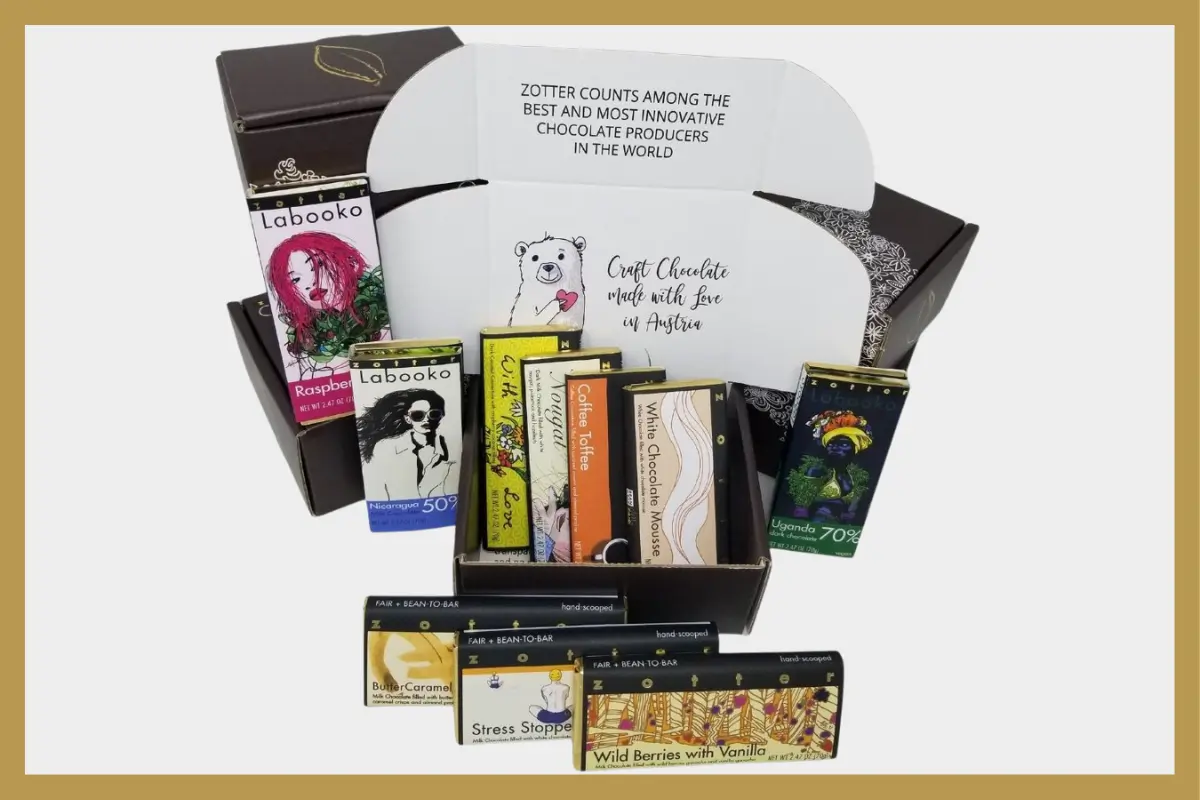
A brand such as Zotter has made a virtue of this range: serious bean-to-bar chocolate alongside filled bars that are gleefully curious about what chocolate can hold. That breadth is useful because taste is personal. One person wants a quiet square of origin chocolate. Another wants a bar that combines cocoa with an ingredient they never expected to encounter.
A Luxury That Rewards Curiosity
Handmade chocolate costs more than mass-market candy for understandable reasons: higher-quality ingredients, more involved production, responsible sourcing, smaller runs, and more hands-on finishing all carry a price. Still, the value is not simply in scarcity or presentation. It is in receiving a product with enough character to slow you down.
Keep a few bars for different moods. Choose one familiar favorite, one origin bar that asks for attention, and one wild card that makes you curious. The next memorable bite may not come from the flavor you expected. It may come from the bar that persuaded you to try something new.