
A bar can say 70% cacao and still taste like a flat, bitter obligation. That is why a useful premium dark chocolate review looks beyond the percentage on the wrapper. The real question is whether the chocolate delivers a clear sense of place, a graceful texture, thoughtful sweetness, and ingredients handled with respect from cacao farm to final wrap.
For chocolate lovers, this is not about treating dark chocolate as a virtuous substitute for dessert. It is about choosing a more expressive dessert in the first place. A truly high-end bar can be bright with red fruit, nutty with toasted notes, warmly spiced, or deeply earthy – and it should make those flavors feel intentional rather than accidental.
What a Premium Dark Chocolate Review Should Examine
The best dark chocolate is a small but complete sensory experience. Its quality is built in stages: cacao selection, fermentation, drying, roasting, grinding, conching, tempering, and, in the case of filled chocolate, the precision of every layer inside. A review that focuses only on cacao percentage misses most of the story.
Start with the snap. When a bar breaks cleanly, with a crisp sound rather than a bend or crumble, it suggests careful tempering and a stable cocoa butter crystal structure. It is not the only mark of quality, but it is an immediate, satisfying clue that the chocolate has been made with attention.
Then let a piece melt slowly. Fine dark chocolate should not feel waxy, gritty, or oily. It should soften evenly across the tongue, releasing flavor in stages. You may first notice roasted cacao, then fruit, flowers, caramel, nuts, spice, or a gentle tannic finish. The most memorable bars evolve rather than announcing one loud note and disappearing.
Sweetness matters here, too. Less sugar does not automatically mean more sophistication. An 85% bar can be beautifully balanced, but only if the cacao is naturally flavorful and the maker has refined it well. A 60% bar can also be exceptional when it has enough sweetness to carry delicate flavors without covering them. The right percentage depends on the beans, the recipe, and what you want from the moment.
Origin Is Flavor, Not Decoration
Single-origin chocolate earns attention because cacao, like wine grapes or coffee beans, reflects its growing conditions. Soil, rainfall, genetics, fermentation practices, and drying all shape the finished flavor. Cacao from one region may lean toward citrus and honey; another may be rich with dried fruit, spice, or roasted nuts.
That does not make blended chocolate less worthy. A skilled blend can create consistency, complexity, and a lush rounded profile. But premium makers should give shoppers meaningful information about what is in the bar and why it tastes the way it does. Origin should be an invitation to taste with curiosity, not a vague luxury label.
For an easy side-by-side experiment, try two plain dark bars at similar cacao percentages but from different origins. Taste them at room temperature, one after the other, with water between bites. The contrast often reveals how much character exists beyond the number printed on the package.
Ethical Sourcing Belongs in the Assessment
Luxury chocolate is more convincing when its standards extend beyond the tasting notes. Cocoa is a global agricultural ingredient with a supply chain that can be difficult to trace. Organic and fair trade certifications are not the entire answer, but they are meaningful signals that a company has chosen more accountable sourcing practices.
Look for transparency about cacao purchasing, farmer relationships, certifications, and production methods. Bean-to-bar makers have the opportunity to retain greater control over flavor and ingredients, while fair trade commitments help place producer welfare alongside product excellence. Neither claim should be used as decoration. The point is to seek evidence that pleasure has not been separated from responsibility.
This is one reason artisan chocolate can cost more than a supermarket bar. Better cacao, smaller production runs, skilled labor, certification costs, thoughtful packaging, and fairer sourcing all affect price. The trade-off is real: premium chocolate is not an everyday grab-and-go bargain. Yet one exceptional square can offer more satisfaction than a larger portion of something forgettable.
How to Taste Premium Dark Chocolate Properly
Chocolate asks for a little patience. Cold chocolate hides its aroma and feels firmer than intended, so allow the bar to come close to room temperature before tasting. Break off a small piece rather than biting through a large square. Notice the aroma first, then let it melt instead of chewing immediately.
Pay attention to three moments. The opening tells you about roast and sweetness. The middle is where the cacao’s personality becomes most vivid. The finish shows whether the flavor lingers with elegance or turns harsh, chalky, or overly dry. Bitterness is not inherently a flaw in dark chocolate, but it should have purpose and balance.
Pairings can make this even more interesting. Still water is ideal for a focused tasting. For a relaxed evening, dark chocolate can work beautifully with black coffee, aged rum, bourbon, a fruit-forward red wine, or unsweetened tea. Keep the pairing simple enough that it frames the chocolate rather than overwhelms it.
Plain Bars and Filled Bars Serve Different Cravings
A pure-origin dark bar is the clearest place to understand cacao. It is the choice for people who want to compare terroir, roast, and percentage with minimal interruption. It also rewards a slower tasting pace.
Filled dark chocolate offers another kind of luxury: contrast. A dark shell can sharpen the brightness of raspberry, deepen the warmth of coffee, or bring structure to a silky nut praline. Unexpected ingredients such as chili, salt, fruit, herbs, spirits, or florals can be thrilling when they support the chocolate rather than turn it into a gimmick.
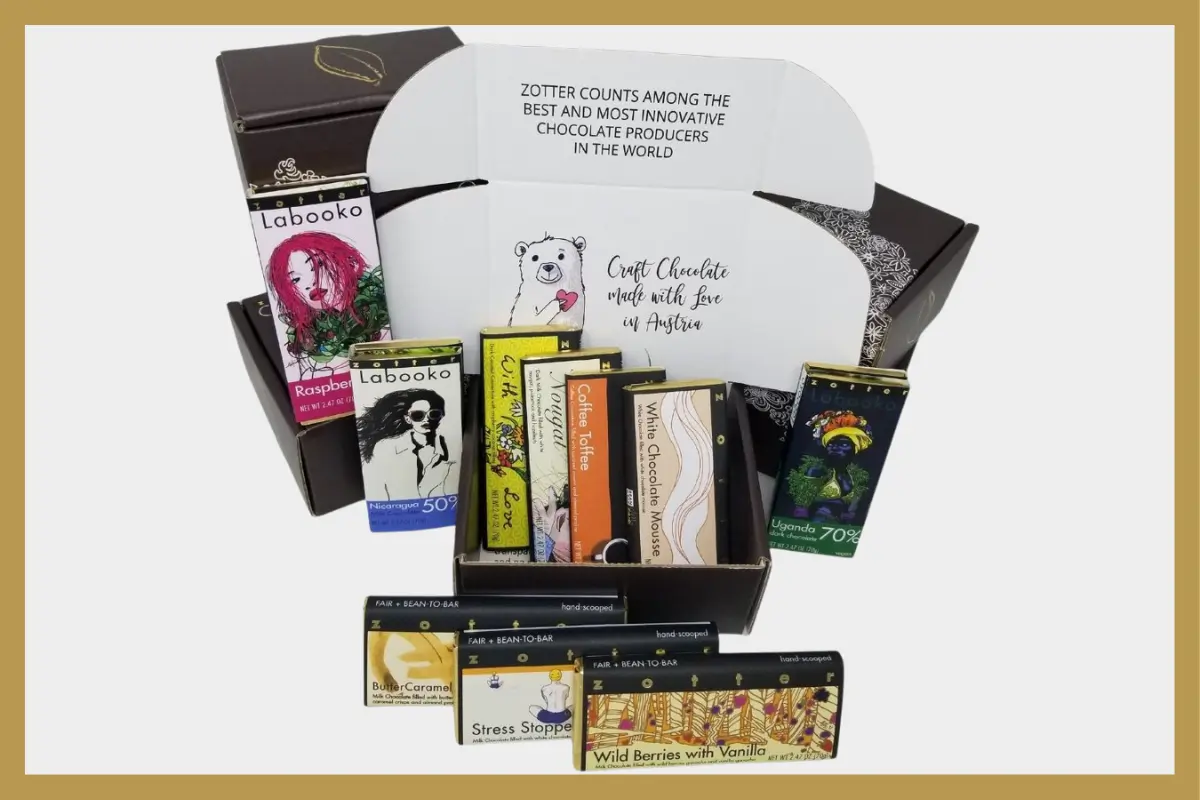
The standard is simple: every ingredient needs a reason to be there. A premium filled bar should have a distinct center, a clean finish, and enough cacao presence to remain chocolate first. Zotter is especially compelling for adventurous eaters because its hand-scooped collection treats flavor as a creative medium while keeping organic, fair trade cacao at the center of the experience.
Vegan Dark Chocolate Deserves the Same High Standard
Many dark bars are naturally dairy-free, but vegan chocolate becomes more nuanced when fillings and creamy styles enter the picture. Plant-based ingredients can add body, richness, and character, though they can also introduce excessive sweetness or a pasty texture if the recipe is not carefully developed.
A strong vegan dark chocolate should melt cleanly and taste complete without relying on dairy as a shortcut to richness. Nut pastes, coconut, oat-based ingredients, and fruit can all work beautifully, but the cacao should remain legible. Shoppers with dietary needs should also read ingredient labels carefully, especially when allergens and shared production environments are a concern.
Choosing the Right Bar for the Occasion
There is no single best premium dark chocolate because the best choice changes with your palate and purpose. If you are new to artisan chocolate, begin in the 60% to 70% range, where sweetness and cacao often meet comfortably. If you already enjoy intense coffee, unsweetened tea, or high-cacao chocolate, explore 75% and above for a more concentrated expression.
For gifting, variety often wins over certainty. A discovery assortment lets the recipient find favorites among origin bars, fruit-forward fillings, nutty centers, and bolder flavor combinations. It also feels more generous than choosing a single bar based on your own preferences. For a dinner-party host, choose a bar with a clear flavor story and enough elegance to serve in small pieces after the meal.
Storage matters more than many people expect. Keep chocolate in a cool, dry, dark place away from strong odors. A refrigerator can cause condensation and dull the texture unless your environment is especially warm. If a bar develops a pale bloom, it may look less polished, but it is usually still safe to eat. The flavor and melt may simply be less pristine.
The most rewarding way to shop is to follow your own tasting trail. Keep a mental note of whether you prefer bright fruit, deep roast, soft caramel notes, intense bitterness, or inventive fillings. Then choose the next bar as a deliberate contrast, not a repeat by default. Premium dark chocolate is at its best when every square gives you something new to notice.