
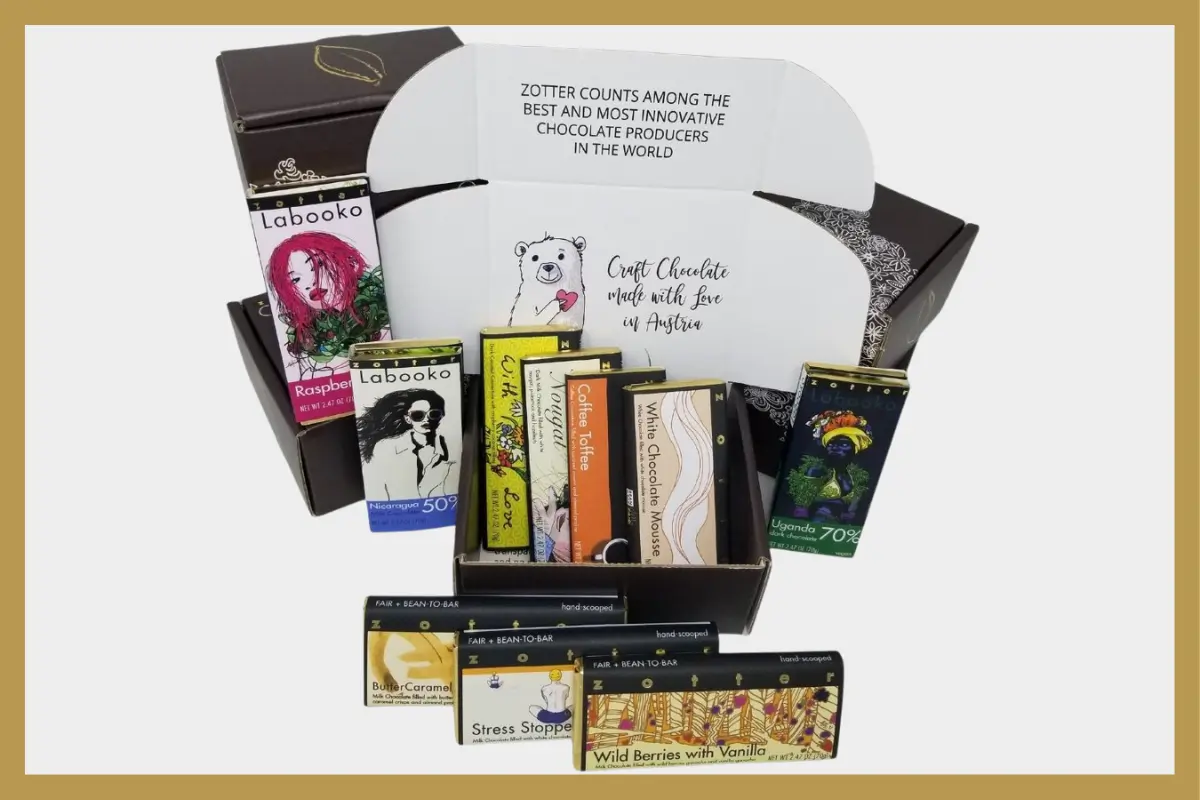

A 70% bar can taste like ripe red fruit and brown sugar. Another can be sharply roasted, dry, and almost smoky. That is why the best dark chocolate percentages are not a single number to memorize. They are a starting point for finding the balance of cacao intensity, sweetness, texture, and origin character that makes you reach for one more square.
For a casual chocolate moment, a percentage in the 60s may be exactly right. For a slow tasting after dinner, 75% or 80% can reveal extraordinary detail. And when a recipe calls for dark chocolate, the right percentage is as much about function as flavor. The pleasure is in knowing what the number can tell you – and what it cannot.
What a Dark Chocolate Percentage Actually Means
The percentage on a dark chocolate bar refers to its total cacao content. That includes cocoa solids, which provide much of chocolate’s flavor and color, plus cocoa butter, which brings richness and melt. The remaining portion is generally sugar, with small amounts of ingredients such as vanilla or spices depending on the bar.
A higher percentage usually means less sugar and a more concentrated cacao experience. But it does not automatically mean better chocolate, healthier chocolate, or more bitterness. A beautifully made 60% bar can be more complex and memorable than a poorly made 85% bar. Bean quality, fermentation, roasting, conching, and the maker’s recipe matter just as much.
Think of percentage as a clue to the style of the bar, not a scorecard. The cacao origin and craftsmanship are where the real personality begins.
Best Dark Chocolate Percentages by Taste Preference
55% to 65%: Mellow, Rounded, and Generous
This is an inviting entry point for people moving beyond milk chocolate, as well as anyone who appreciates dark chocolate with a soft edge. Bars in this range often have noticeable caramel, honey, toasted nut, dried fruit, or creamy cocoa notes. The sugar is present enough to round out cacao’s natural tannins without making the experience cloying.
Choose this range when you want an everyday square with coffee, a crowd-pleasing gift, or a dark chocolate that welcomes bold inclusions. Fruit, nuts, praline, and aromatic spices can shine here because the base chocolate remains expressive without overpowering every other flavor.
It is also an excellent range for baking when you want a brownie or cookie to taste deeply chocolatey while retaining a familiar sweetness. A 60% bar generally creates a more approachable dessert than an 85% bar, especially in recipes that contain little added sugar.
66% to 75%: The Sweet Spot for Many Chocolate Lovers
For many palates, this is where dark chocolate becomes especially captivating. There is enough cacao to show a bean’s character – perhaps berry-like brightness, citrus, red wine, roasted almond, or earthy depth – while enough sweetness remains to keep the finish balanced.
A 70% bar is often considered a classic benchmark, but it is not a universal flavor profile. One 70% may feel lush and fudgy; another may be lively and tangy, depending on where the cacao was grown and how it was crafted. This is the range to explore if you want to begin tasting origin differences rather than simply tasting darkness.
It is also arguably the most versatile range for a premium tasting board. Pair it with espresso, black tea, a full-bodied red wine, or a ripe pear. Let a small piece melt slowly rather than chewing immediately. You may notice the flavor shift from the first roasted note to a lingering fruity or nutty finish.
76% to 85%: Bold, Layered, and Less Sweet
At this level, cacao takes center stage. Sugar steps back, and chocolate’s natural flavors have more room to speak. The experience can be wonderfully refined: floral, mineral, tobacco-like, deeply nutty, or bright with tropical fruit notes. It can also feel intense if you are used to sweeter bars.
This range suits the chocolate lover who enjoys unsweetened coffee, aged spirits, or savory foods with depth. It can be exquisite after a meal, particularly when eaten in small, unhurried pieces. It is also a strong choice for ganache, truffles, and desserts where you want a more adult, less sugary profile.
The trade-off is that flaws become harder to hide. Harsh bitterness, chalkiness, or an astringent finish are not inevitable at 80%, but they can be more apparent when the cacao or technique is not exceptional. Seek out chocolate made with care, not merely a dramatic number on the wrapper.
86% to 100%: For the Cacao-Forward Palate
Very high-percentage chocolate is a distinct category, not simply a more serious version of every other bar. With minimal sugar, it can be intensely roasted, earthy, tannic, or surprisingly fruity. At 100%, there is no added sugar at all, so the bean’s natural acidity and bitterness are fully exposed.
These bars reward curiosity and a slower pace. Try a small square alongside a piece of dried fruit, a handful of roasted nuts, or a sip of coffee with a natural sweetness. If 90% tastes overwhelming at first, that does not mean you lack a sophisticated palate. It simply means the balance is not your preferred one yet.
For baking, use this range with intention. A high-cacao bar can make a spectacularly dark mousse or sauce, but most recipes will need additional sweetness or fat to stay harmonious.
Why Percentage Alone Cannot Choose the Best Bar
Two bars with the same cacao percentage can taste dramatically different. Cacao grown in Madagascar may offer lively berry or citrus notes, while cacao from another region may lean toward toasted nuts, spice, or deep cocoa. Fermentation develops flavor potential in the beans; roasting decides how that potential is expressed.
Texture changes the experience, too. Fine chocolate should melt with grace, releasing flavor gradually rather than feeling gritty or waxy. Cocoa butter, carefully balanced with cocoa solids, contributes to that elegant finish. At Zotter, bean-to-bar craftsmanship and an adventurous approach to flavor make room for both pure cacao character and unexpected pairings.
Ingredients matter beyond cacao and sugar. A touch of vanilla may soften a bar’s edges. Sea salt can sharpen fruit notes or amplify roast. Fillings and inclusions bring another dimension entirely, which is why a 70% filled bar should not be judged by the same expectations as a minimalist single-origin bar.
How to Find Your Personal Best Percentage
Start with three bars that are spaced apart: one in the low 60s, one around 70%, and one around 80%. Taste them on separate days or with water between samples, ideally when your palate is not competing with strong coffee, mint, or a heavily seasoned meal.
Notice more than sweetness. Ask whether the chocolate feels creamy or dry, bright or mellow, roasted or fruity. Pay attention to the finish. The most satisfying bar is often the one whose flavor lingers pleasantly after it melts, not necessarily the one with the highest cacao number.
If you prefer a rich dessert but find many dark bars too bitter, stay between 60% and 72% and explore different origins. If you already enjoy black coffee and unsweetened cocoa, move into the 75% to 85% range. If you are buying a gift for an unknown palate, a beautifully crafted bar around 70% is usually a confident, generous choice.
A Better Way to Taste Dark Chocolate
Break off a small piece and look at its surface. A clean snap often signals proper tempering, though it is only one part of quality. Smell the chocolate before tasting, then place it on your tongue and let it melt. Resist the urge to bite immediately.
As it warms, look for a beginning, middle, and finish. You may first taste roast or sweetness, then find fruit, spice, floral notes, or a gentle nuttiness. This small ritual turns percentage from a label into a useful frame for discovery.
The best percentage is the one that gives you pleasure in the moment you are choosing chocolate for: a bright 64% with an afternoon coffee, a complex 72% for sharing, or an unapologetically intense 85% when you want cacao in full voice. Let curiosity, not chocolate snobbery, choose the next square.