
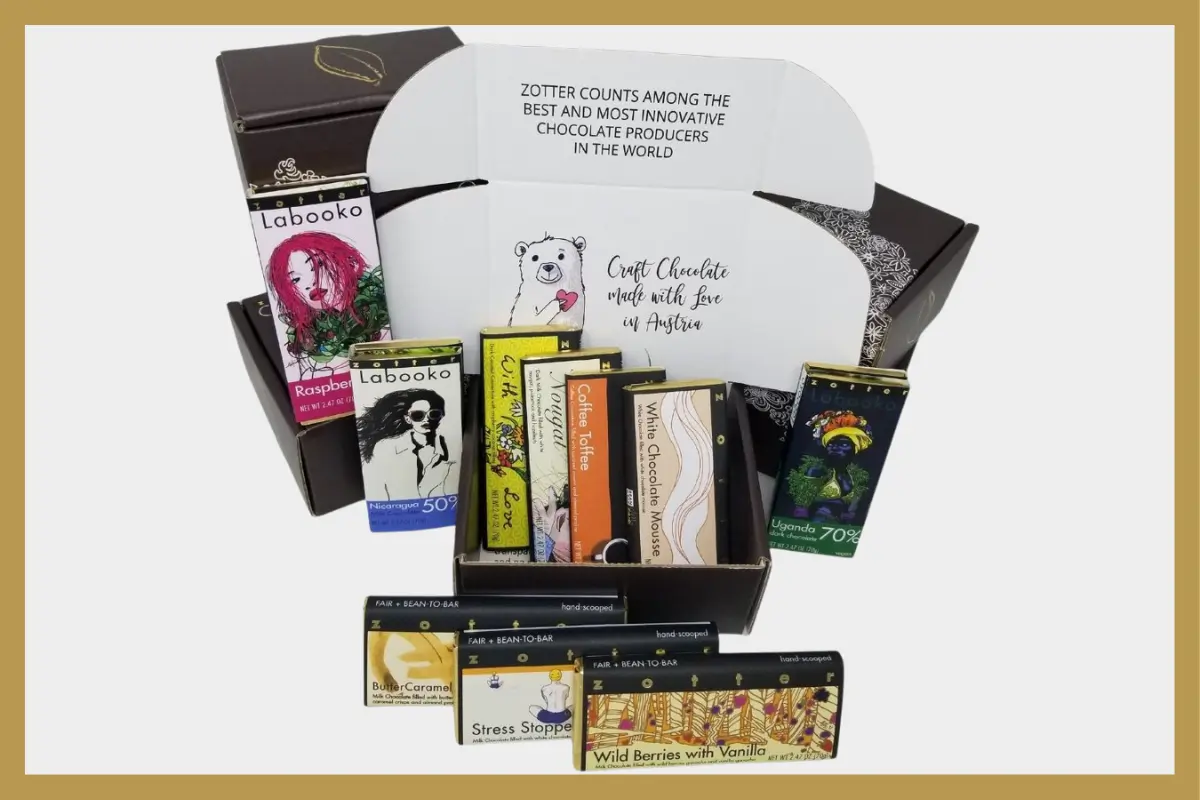

A chocolate bar can contain only a few ingredients, yet its personality can be wildly specific: bright red fruit, toasted nuts, warm caramel, deep roast, a flicker of citrus, or a lingering earthiness. The question of single origin versus blended chocolate is really a question of what you want from that moment of tasting. Do you want to follow one cocoa’s particular point of view, or enjoy a carefully composed flavor with more than one voice?
Neither choice is automatically more luxurious, more ethical, or more delicious. A remarkable bar depends on excellent cacao, thoughtful sourcing, skilled roasting, precise conching, and the imagination to know when to let a cocoa speak alone and when to create harmony through a blend.
Single Origin Versus Blended Chocolate: The Real Difference
Single origin chocolate is made with cacao sourced from one defined place. That might mean a single country, a region, a cooperative, an estate, or even one harvest. The label matters because “origin” can be broad or exceptionally specific. A bar identified by a country offers a window into that nation’s cacao profile, while a bar from one farm or cooperative can offer a more focused expression of place and people.
Blended chocolate combines cacao from two or more origins. The goal is not to disguise the beans. At its best, blending is a deliberate craft, much like composing a fine coffee blend or a complex wine cuvée. One cacao might contribute fruit and acidity, another brings body and cocoa depth, and a third rounds the finish with gentle nuttiness or spice.
The distinction becomes especially meaningful in dark chocolate, where cacao has room to lead. In milk chocolate and filled bars, origin still affects the experience, but dairy, sugar, nuts, fruit, spirits, spices, and creams become part of a larger flavor composition. That is not a lesser experience. It is simply a different one.
What Single Origin Chocolate Tastes Like
A single origin bar is an invitation to taste cacao in high definition. Its character can reflect genetics, soil, climate, fermentation, drying, and the maker’s approach to roasting. Cacao from one place may lean toward berry, grape, citrus, honey, or floral notes. Another may be more savory, malted, woody, nutty, or deeply fudgy.
Still, it helps to resist a common oversimplification: origin is not a flavor guarantee. Two bars from the same country can taste notably different when they come from different growing areas, harvests, fermentations, or makers. Cocoa, like any agricultural ingredient, changes with the season. A talented chocolate maker does not erase that variation. They understand it, then shape it into a bar worth tasting.
This makes single origin chocolate especially satisfying for curious eaters. If you enjoy comparing a bright, fruit-forward dark bar with one that is mellow and caramel-like, origin bars offer an elegant place to start. They turn an after-dinner square into a small, sensory journey.
Single origin is also a powerful format for understanding sourcing. When a maker can name where its cacao comes from, shoppers can ask better questions about traceability, growing relationships, and how value is shared through the supply chain. Specificity is not a substitute for fair trade or organic certification, but it can be part of a more transparent chocolate culture.
When to Choose a Single Origin Bar
Reach for a single origin bar when the cacao itself is the occasion. It is a beautiful choice for a quiet tasting, a host gift for a serious food lover, or a discovery pack shared among friends who enjoy comparing flavor notes. Try tasting it before coffee, wine, or dessert so its details have space to register.
A higher cacao percentage often makes origin character easier to notice, though percentage alone does not determine quality or intensity. An expertly made 70% bar may feel silkier and more balanced than a poorly made 60% bar. Let your palate, not a number, make the final call.
Why Blended Chocolate Deserves Respect
Blends are sometimes treated as the practical alternative to single origin chocolate. That misses the artistry entirely. A thoughtful blend can be exceptionally precise: a maker may use one cocoa for its lively opening notes, another for a plush center, and another for a long, resonant finish. The result can be more layered and complete than any component would be alone.
Blending also gives chocolate makers a valuable tool for consistency. Cacao is a living crop, and weather, harvest conditions, and fermentation can shift from year to year. When a maker has a recognizable house style, a blend can help preserve that profile while still respecting the beans. Consistency is not industrial sameness when it is achieved through careful tasting and adjustment. It is craftsmanship repeated with discipline.
There is an ethical consideration here, too. The most responsible sourcing decisions are not always the ones with the shortest label. A blend can support relationships with multiple farmer groups, use excellent cacao lots that may not be large enough for a dedicated bar, and reduce pressure to force every bean into one marketing category. What matters is whether a brand communicates its standards clearly and pays attention to quality, traceability, and farmer well-being.
When a Blend Is the Better Choice
Choose blended chocolate when you want a polished, rounded chocolate experience or a bar designed to work with other flavors. A blend may be ideal for baking, sipping alongside espresso, pairing with bourbon, or serving on a dessert board where you want rich cocoa character without one sharply distinctive note taking over.
Blends also shine in adventurous filled chocolates. A balanced couverture can hold its own beside fruit, ganache, marzipan, praline, coffee, or spice while allowing the filling to have a clear role. This is where Austrian chocolate-making imagination becomes particularly delicious: precision in the chocolate foundation makes playful flavor combinations feel intentional rather than chaotic.
How to Taste the Difference Without Overthinking It
Set out one single origin bar and one blend at room temperature. Break off a small piece of each and listen for a clean snap. Smell the chocolate before tasting it, then let a piece melt slowly rather than chewing right away. Notice the opening flavor, the middle, and what remains after the chocolate is gone.
With a single origin, ask: What feels distinctive here? Is it tart, floral, roasted, earthy, creamy, or fruit-driven? With a blend, ask: Does the flavor arrive in layers? Does it feel especially balanced, broad, or lingering? There is no prize for identifying every note correctly. The useful question is simpler: Which one would you want another square of?
Water is all you need between samples. If you want to make it social, include plain crackers and a few slices of apple or pear, but avoid strongly flavored snacks that will crowd out subtle cacao notes. Taste lighter or lower-percentage bars before darker ones, and save spicy, smoky, or heavily filled chocolates for last.
Choosing Chocolate for Your Purpose
For a personal tasting ritual, start with single origin dark chocolate. For a gift, consider the recipient. The origin enthusiast may appreciate a focused cacao selection, while the adventurous eater may be delighted by a curated assortment of inventive filled bars. For entertaining, a mix is more interesting than choosing sides: offer one origin bar, one elegant blend, and one unexpected flavor creation.
For everyday pleasure, there is no need to turn chocolate into homework. Some days call for a bar that tells a vivid cacao story. Other days call for a beautifully balanced piece with a creamy filling, a flash of fruit, or a playful surprise. Zotter’s approach to chocolate leaves room for both serious tasting and uninhibited curiosity.
The best next step is to taste with attention, then trust your own preference. Choose the chocolate that makes you pause for one more square, whether its character comes from one extraordinary place or a brilliant meeting of many.