
A great chocolate bar should not taste like a compromise wrapped in virtuous packaging. That expectation is shaping low sugar chocolate trends, especially among people who already know the difference between generic sweetness and the layered character of fine cacao. The most compelling new bars are not simply removing sugar. They are asking a more interesting question: how can chocolate taste deeply indulgent when cacao, origin, texture, and imagination are allowed to lead?
For premium chocolate lovers, the answer is rarely a single ingredient swap. It is a more deliberate style of chocolate making – one that respects sweetness, rather than treating it as the only route to pleasure.
Low Sugar Chocolate Trends Are Becoming More Sophisticated
The early low-sugar confectionery market had a predictable problem: products often tasted as if the sugar had been removed and nothing had been put back in its place. A sharp sweetener aftertaste, a chalky finish, or an oddly waxy texture could turn a promising bar into a one-bite experiment.
That standard is changing. Premium makers are using cacao intensity, roasted nuts, fruit, spices, coffee, caramelized notes, and creamy plant-based ingredients to create dimension. The goal is not to make every bar taste identical to conventional milk chocolate. It is to make a bar worth eating on its own terms.
This shift matters because consumers are more fluent in flavor than they were a decade ago. They recognize that a dark chocolate with a vivid raspberry note or a nutty, toasted finish can feel complete without excessive sweetness. They are also increasingly willing to choose a smaller portion of something exceptional over a larger serving of something forgettable.
Less sugar is not the same as no sugar
“Low sugar” can mean different things depending on the product, its serving size, and the claim being made. Some chocolate bars reduce added sugar while still using a traditional amount of cane sugar. Others are formulated without added sugar and rely on ingredients such as fruit, chicory root fiber, or alternative sweeteners. A high-cacao dark chocolate may contain less sugar than a milk chocolate bar without being positioned as a diet product at all.
For shoppers, the useful question is not whether a package makes the boldest promise. It is whether the nutrition panel, ingredient list, and flavor profile match what they want. Someone managing blood sugar may look for very low net carbohydrates and a particular sweetener. Someone else may simply want a darker, less sugary dessert that still feels luxurious after dinner.
Cacao-Forward Flavor Is the Real Luxury Signal
Fine chocolate has always had a natural advantage in the low-sugar conversation: cacao is expressive. Depending on where and how it is grown, fermented, dried, and roasted, it can offer notes that suggest red fruit, citrus, honey, toasted bread, nuts, coffee, or warm spice. Sugar can support those flavors, but it should not flatten them.
That is why high-cacao bars continue to attract discerning shoppers. A 70% or 80% bar is not automatically better, and higher percentages can become austere if the cacao or recipe lacks balance. Still, cacao-forward chocolate gives the palate more to notice. The pleasure lasts longer than a quick hit of sweetness.
Filled chocolates are also joining the movement in more creative ways. Instead of relying on sugary centers alone, makers can build richness with nut praline, tahini, coconut, coffee, sesame, fruit purée, spices, or a carefully measured pinch of salt. These components create contrast and aroma, making a restrained sweetness feel generous rather than sparse.
For an adventurous chocolate table, pair a darker, low-sugar-leaning bar with one more playful filled bar. The comparison is part of the pleasure: one highlights cacao and origin, while the other shows what an artisan can create with texture, filling, and surprise.
Alternative Sweeteners Demand a Closer Look
Alternative sweeteners are a major part of the category, but they are not interchangeable. Their flavor, digestive impact, and behavior in chocolate vary considerably.
Stevia and monk fruit can provide sweetness with little or no added sugar, though some people notice a lingering herbal or cooling note. Erythritol and other sugar alcohols may create a clean sweetness for some palates but can feel cooling in chocolate and may cause digestive discomfort for sensitive eaters. Allulose has gained attention for its sugar-like profile, yet it behaves differently during processing and may not suit every recipe. Chicory root fiber can add body and reduce sugar, though larger amounts are not ideal for everyone.
There is no universal winner. A shopper who wants the closest possible experience to classic chocolate may prefer a modestly sweetened, cacao-rich bar made with familiar ingredients. Someone following a strict low-sugar eating pattern may prioritize the lowest sugar count and accept a different finish. The best choice depends on both taste and how your body responds.
Premium brands have an obligation here: clarity is more valuable than cleverness. A beautiful wrapper should not obscure what sweetens the bar, how much sugar is present, or what the suggested serving looks like. Transparent labeling lets a chocolate lover choose confidently, then focus on the far more enjoyable task of tasting.
Texture Is Where Many Reduced-Sugar Bars Win or Lose
Chocolate is not only flavor. The snap of a well-tempered bar, the slow melt on the tongue, and the silkiness of the finish are central to the experience. Reducing sugar can affect all of them.
Sugar contributes structure as well as sweetness. When a recipe changes, the maker must rebalance cocoa butter, cacao solids, milk or plant-based ingredients, fibers, and sweeteners with real precision. This is one reason a low-sugar bar from a serious chocolatier can feel so different from a mass-market alternative. The work is not visible, but it is unmistakable in the first bite.
Bean-to-bar production matters here because it gives makers closer control over the recipe and process. They can adjust roasting, refining, conching, and inclusions in pursuit of a particular texture and flavor. It is patient work, and it is exactly the kind of craftsmanship premium buyers should expect.
Ethical Sourcing Belongs in the Conversation
A reduced-sugar claim does not make a chocolate bar inherently more thoughtful. Fine chocolate is still agricultural, and the quality of cacao begins long before it reaches a chocolatier’s kitchen. Organic practices, fair trade commitments, transparent sourcing, and long-term relationships with cacao producers all shape the integrity of the finished bar.
This is especially relevant as shoppers move away from treating chocolate as a disposable candy impulse. When a bar is chosen for its cacao percentage, ingredients, and nuanced flavor, it becomes easier to ask where the cacao came from and who benefited from its sale.
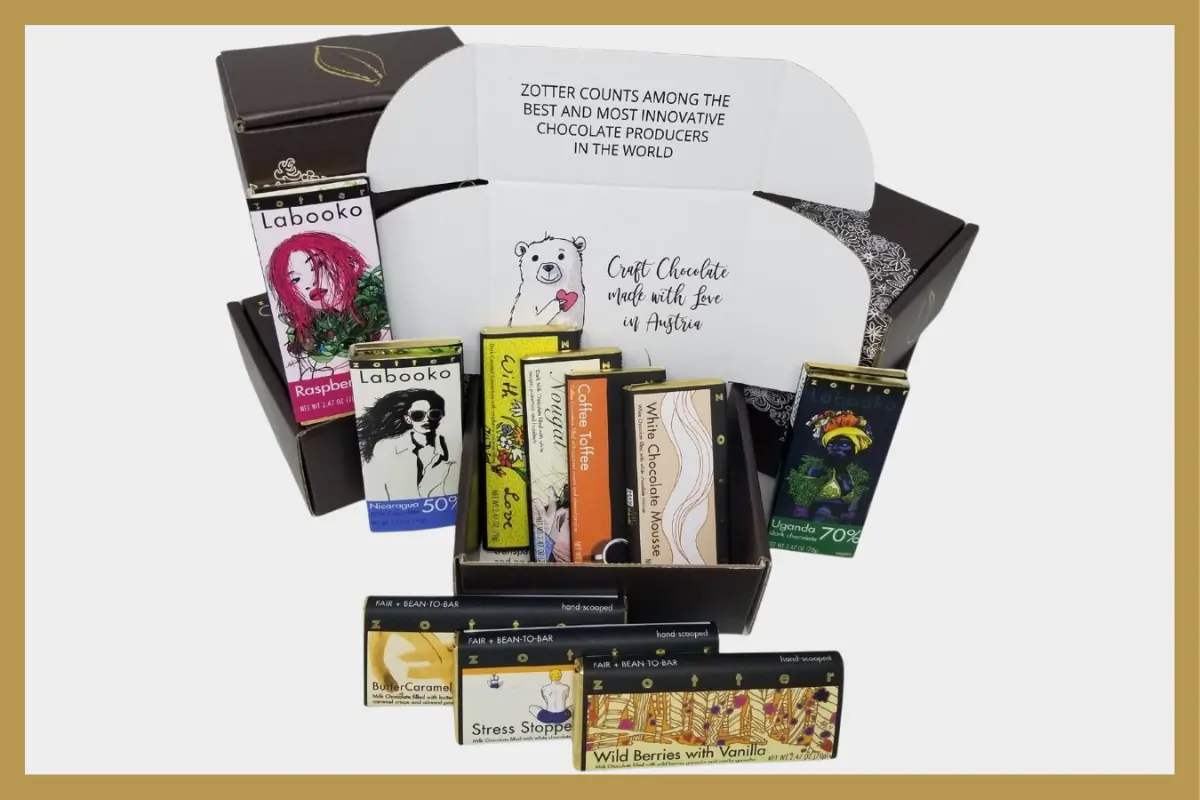
At Zotter, the appeal of an expansive, inventive chocolate collection is not merely novelty. It is the chance to explore distinctive flavors while valuing organic, fair trade cacao and hands-on Austrian craftsmanship. Low-sugar choices fit naturally into that wider appreciation for ingredients with a story.
Low Sugar Can Still Be a Gift-Worthy Experience
Chocolate gifting is becoming more personal. A box or discovery assortment can reflect someone’s tastes, dietary preferences, and sense of adventure rather than defaulting to the sweetest option on the shelf. Including a cacao-rich dark bar, a vegan selection, or a bar with no added sugar can make a gift feel considered rather than restrictive.
The key is not to present reduced sugar as a consolation prize. Present it as one expression of a larger chocolate world. A beautifully made bar with roasted hazelnuts, bright fruit, sea salt, or aromatic spice has plenty to say beyond its sugar number.
When choosing, start with the occasion. For a quiet after-dinner square, favor cacao depth and a clean finish. For sharing, choose flavors that invite conversation. For a gift, look for variety and transparent ingredients. The most satisfying low-sugar chocolate is the one you reach for because it tastes extraordinary, not because it asks you to settle.