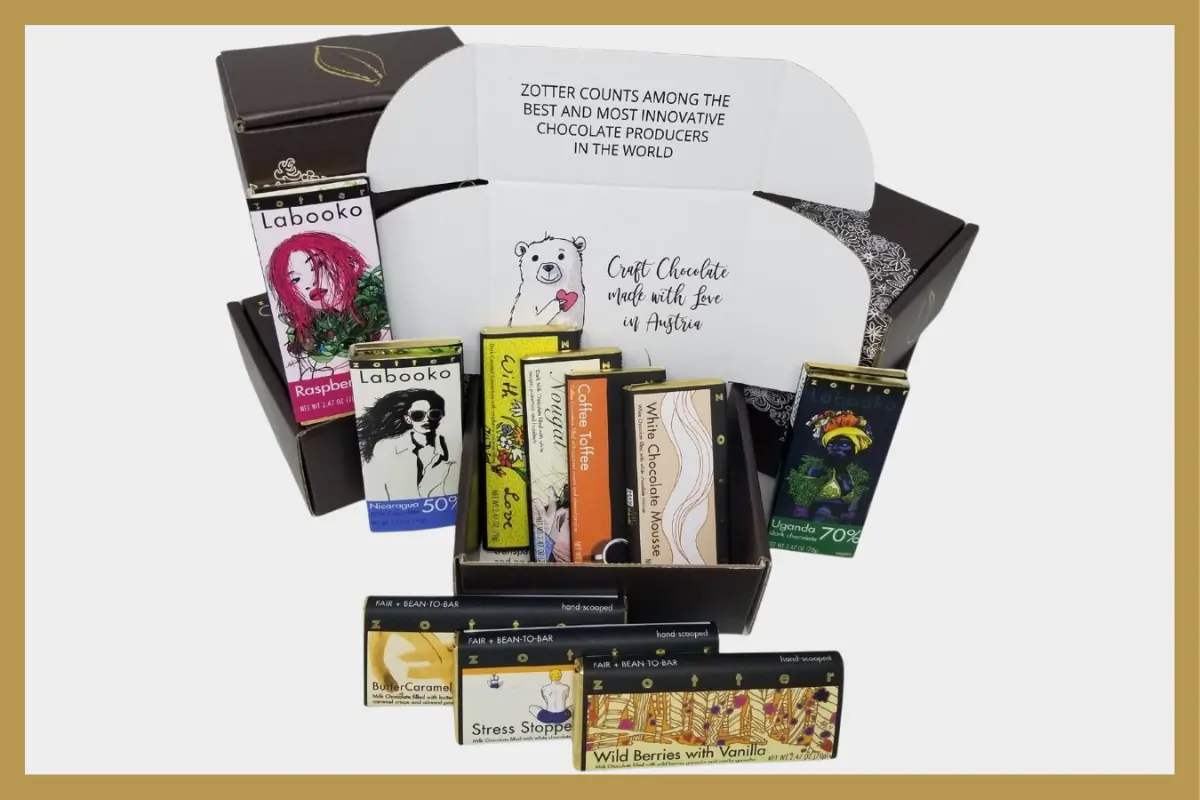

A beautiful chocolate bar can begin with a complicated question: who carried the risk before the cacao became a luxury indulgence? This ethical cocoa case study looks beyond the wrapper to examine what responsible sourcing asks of a chocolate maker, what it can change for farming communities, and why the answer matters to anyone who expects more from a premium bar.
Chocolate is often sold as pure pleasure, and it should be. But exceptional flavor, distinctive origin, and an elegant gift-worthy finish do not exist separately from the people and landscapes behind cacao. The supply chain is part of the taste story. It is also part of the value story.
Ethical Cocoa Case Study: The Real Work Behind a Bar
Cacao is predominantly grown by smallholder farmers, many of whom face volatile prices, aging trees, changing weather patterns, and limited access to financing. In a conventional commodity system, the farmer may receive only a small share of the final retail price, while the biggest margins appear much later in the chain.
An ethical approach begins by refusing to treat cacao as an anonymous input. It asks where the beans came from, how they were grown, how farmers were paid, and whether the terms of trade support a viable future. That sounds straightforward. Delivering on it requires choices that can make chocolate more expensive, slower to produce, and far more interesting to eat.
Organic certification is one meaningful part of the picture. It restricts the use of synthetic pesticides and fertilizers, encouraging farming methods that can protect soil health and biodiversity. For cacao growers, the transition can be demanding. Organic practices require knowledge, labor, and patience, and certification itself carries administrative costs. The payoff is not automatic, but a committed buyer can help make that transition commercially worthwhile.
Fair trade is another essential tool. At its best, it sets minimum price protections and adds a premium intended for community-led projects or business improvements. These mechanisms can soften the blow when global cacao prices fall. They can also give cooperatives more leverage and more predictable revenue.
Still, a seal is not a magic spell. Certification is a valuable baseline, not a substitute for continued accountability. The strongest ethical cocoa programs pair standards with long-term purchasing relationships, transparent pricing, quality feedback, and a willingness to pay for exceptional fermentation and post-harvest care.
Why Better Pay Can Mean Better Flavor
Ethics and flavor are often discussed as separate benefits. In fine chocolate, they are deeply connected.
Cacao is a fruit, and its flavor is shaped long before roasting. After harvest, the beans must be fermented and dried with care. Poorly managed fermentation can leave harsh, flat, or overly astringent notes. Skilled post-harvest work can reveal bright fruit, toasted nuts, caramel depth, floral aromas, or a graceful bitterness that lingers rather than overwhelms.
That work takes time, equipment, and confidence that there will be a buyer for better-quality beans. When farmers are paid solely by volume, there is little reason to invest in meticulous fermentation. When a maker rewards quality and returns season after season, quality becomes a practical business decision, not a luxury.
This is where premium chocolate earns its place. A higher price is not inherently ethical. Plenty of expensive products rely on vague origin language and polished packaging. But when a brand combines premium pricing with credible sourcing standards, organic practices, and serious bean-to-bar production, the customer is paying for more than a logo. They are helping sustain the conditions required for careful cacao.
The result is a bar with a clearer point of view. One origin may taste earthy and red-fruited; another may bring citrus, honey, or roasted coffee notes. A thoughtful filling, spice, or unexpected savory ingredient should complement that character, not hide it. Great chocolate can be playful without becoming careless.
The Trade-Offs an Honest Chocolate Maker Must Face
Ethical sourcing does not make every decision simple. It creates productive tensions.
Buying certified organic cacao can limit available supply, especially when a maker wants specific origins or harvest qualities. Paying more for beans may mean a higher shelf price. Producing smaller batches may offer better control but less manufacturing efficiency. International transport, packaging, and food safety requirements add their own costs before a bar ever reaches a US customer.
For shoppers, the practical question is not whether every bar must be a daily habit. It is whether a less frequent, more considered chocolate purchase can bring greater pleasure and greater integrity. A high-end bar is often best treated as an experience: shared after dinner, tucked into a thoughtful gift, compared side by side with another origin, or enjoyed slowly with coffee, tea, or a favorite spirit.
There is also a question of complexity. A single-origin dark chocolate bar offers a direct expression of cacao. A filled bar with praline, fruit, coffee, or spice may tell a more layered story. Neither is morally superior. The useful distinction is whether the maker has treated the cacao as a commodity to disguise or as an ingredient worthy of attention.
What to Look for When Buying Ethical Chocolate
Packaging can make almost any chocolate seem conscientious. Look for specific information rather than broad claims. A maker should be able to describe its sourcing approach in plain language, including whether beans are organic, fair trade certified, traceable to a region or cooperative, or purchased through enduring farmer partnerships.
It also helps to look at the chocolate itself. Ingredient lists should be recognizable and purposeful. A short list is not automatically better, especially in inventive filled chocolate, but ingredients should serve a flavor idea rather than compensate for poor cacao. Cocoa butter, real nuts, fruit, spices, and well-chosen dairy or plant-based ingredients can all belong in an exquisite bar.
For gift buyers, ethical chocolate offers a rare combination: generosity that feels personal and values that do not need a speech. A discovery assortment can invite someone into origin chocolate without demanding expertise. Vegan selections can be genuinely luxurious rather than an afterthought. Seasonal pieces can be joyful, unusual, and still grounded in responsible sourcing.
Zotter USA approaches this space with Austrian craft, organic and fair trade cacao, and an unapologetically imaginative flavor range. That combination matters because it proves ethical chocolate need not be austere. It can be silky, surprising, occasionally strange in the best way, and entirely fit for celebration.
The Question That Keeps the System Moving
No chocolate company can solve the structural challenges of cacao farming with a single purchase order. Climate pressure, rural poverty, unequal bargaining power, and market speculation are larger than any one bar. But every sourcing decision creates incentives, and every customer decision signals what the market should reward.
The most useful standard is not perfection. It is meaningful progress backed by evidence: fairer terms, better agricultural practices, clearer traceability, serious craftsmanship, and a product delicious enough to make those choices desirable rather than dutiful.
The next time you choose chocolate, let curiosity lead. Taste the origin, read beyond the front label, and choose the bar that gives pleasure a more generous place to begin.