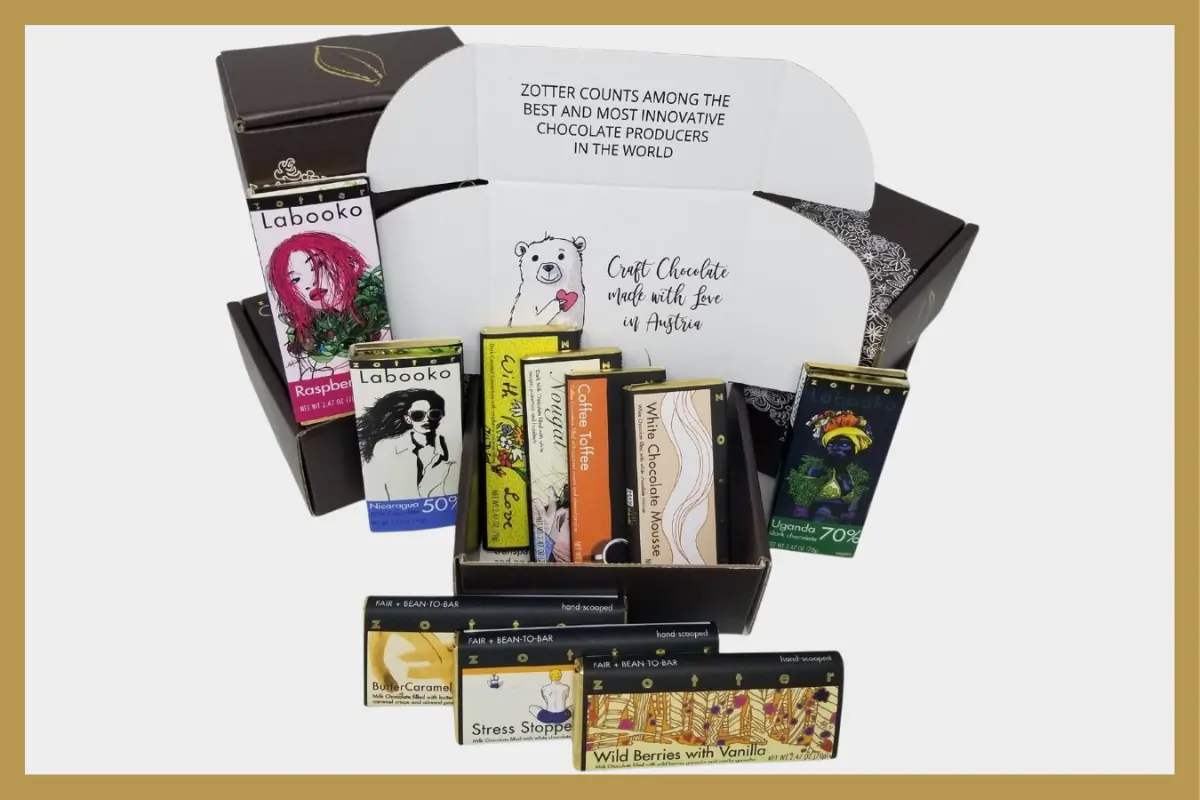

A great chocolate shelf should make a customer pause. Not because it is crowded, but because every bar promises a different small adventure: a pure origin dark chocolate, a creamy filled bar with a surprising center, a vegan selection that feels every bit as indulgent, or a gift-ready flavor they have never seen before. This artisan chocolate wholesale guide is for retailers who want that kind of shelf – one that feels curated, premium, and genuinely worth returning to.
Wholesale chocolate is not simply a matter of buying attractive packaging at the right margin. The strongest programs bring together product quality, ethical credibility, operational discipline, and a point of view. Your assortment should answer a shopper’s quiet question: why should I choose this bar instead of the familiar one beside it?
Start With the Customer, Not the Catalog
An expansive artisan assortment is exciting, but more choice is not automatically better. Before selecting products, consider who walks through your door or browses your online shop. A specialty grocer may need dependable everyday premium bars alongside a few adventurous flavors. A museum shop, winery, hotel, or design-focused boutique may perform better with giftable formats, beautiful packaging, and flavors that spark conversation.
Price sensitivity matters, too. Premium chocolate customers are usually willing to pay more when the reasons are visible: organic ingredients, fair trade cocoa, bean-to-bar production, exceptional fillings, recognized origin, or hands-on craftsmanship. They do not need a lecture at the register, but they should be able to understand what makes the chocolate special in a few seconds.
Think of your assortment in roles rather than treating every SKU equally. You need approachable entry points, such as milk chocolate or a familiar dark bar; discovery pieces with unusual inclusions or fillings; dietary options, including vegan choices; and high-impact gift selections. These roles can overlap, but together they prevent the shelf from becoming a wall of products that all ask for the same customer.
What Makes Artisan Chocolate Worth Wholesaling
The word artisan is used freely in food, so buyers should look past it. In chocolate, real distinction often shows up in the ingredients, the production method, the flavor design, and the maker’s relationship to cocoa.
Bean-to-bar production gives a maker more influence over the chocolate from cocoa bean through finished bar. That does not mean every bean-to-bar product will suit every retailer. It does mean the maker can make deliberate choices about roasting, texture, cocoa percentage, and origin character. Those details create a more expressive eating experience than a generic sweet bar designed only for consistency.
Ethical sourcing is equally central. Organic and fair trade certifications can give customers a clear reason to trust a product, especially when they are shopping for gifts or making a considered premium purchase. Still, certification is not the only question. Ask wholesale partners how they source cocoa, how they communicate origin, and whether their values are backed by specific practices rather than vague claims.
Then there is flavor. A serious artisan collection can make room for classic hazelnut and dark chocolate while also offering fruit, spice, coffee, spirits, nuts, layered fillings, and savory-adjacent ideas. The trade-off is obvious: adventurous flavors are memorable, but they can be slower sellers if customers do not know where to begin. Pair them with familiar options and give staff a simple tasting language.
Build an Assortment That Invites Discovery
A wholesale opening order should feel like a carefully edited menu. Avoid buying too heavily into one format, one cocoa percentage, or one flavor family. An all-dark lineup may appeal to knowledgeable chocolate buyers while losing shoppers who want a first premium experience. Conversely, an assortment made entirely of sweet, familiar flavors can miss the point of carrying artisan chocolate.
Start with a balanced base, then create a reason to explore. A useful first selection might include approachable milk and dark bars, a few single-origin or high-cacao choices, vegan products, filled bars, and a small number of provocative flavors. If your location sees strong seasonal traffic, add gift boxes or limited collections that feel made for the occasion rather than like a last-minute add-on.
Discovery packs are especially valuable for shoppers who are curious but undecided. They reduce the pressure of choosing one unfamiliar bar and encourage repeat visits. For retailers, they also create a natural route into a larger collection. A customer who finds one favorite often returns to try the next flavor.
Zotter’s wide range of hand-scooped bars illustrates why breadth works best when it is curated. A retailer does not need to stock every variety. The opportunity is to select a compact, compelling cross-section that reflects the character of the maker and the tastes of your customers.
Use Price Architecture Carefully
Premium pricing should feel intentional. Carrying only high-ticket gift products can limit everyday sales, while relying on lower-priced bars can make the section feel less distinctive. Offer a few accessible treats, a core group of elevated bars, and special formats for gifting or celebratory purchases.
This approach also helps with gifting behavior. Many customers enter a store looking for one thoughtful item, then add a second bar when the choice feels easy. Position complementary price points together, and make sure the higher-priced item has a visible reason for its value: size, presentation, rarity, craftsmanship, or an exceptional flavor story.
Ask Wholesale Questions Before You Place an Order
A beautiful sample is only the beginning. The operational side of chocolate can protect or erode your margin quickly, particularly in warm weather. Ask about minimum order values, case pack sizes, lead times, shipping schedules, payment terms, shelf life on delivery, and policies for damaged or heat-affected product.
Temperature management deserves particular attention in the US. Chocolate is sensitive to heat, and summer shipping may require special handling. Confirm how the supplier ships in warmer months, what days orders leave the warehouse, whether cold packs are used when appropriate, and who is responsible if a shipment arrives compromised. A lower freight cost is not a bargain if the product reaches your store in poor condition.
Also ask how frequently new products and seasonal selections become available. Freshness in merchandising is not only about expiration dates. A few planned rotations can keep regular customers interested without forcing your team to manage constant assortment churn.
Merchandise for the Moment of Decision
Even exquisite chocolate can disappear on a crowded shelf. Give artisan products room to speak. Grouping bars by maker can strengthen the story, while grouping by flavor or dietary need can make shopping easier. The right choice depends on your store. A dedicated premium chocolate wall benefits from brand blocks and visual impact; a smaller shop may need clear signposting such as “Vegan,” “High Cacao,” “Filled Bars,” or “For Gifting.”
Use concise shelf language, not dense tasting notes. A few phrases can do the work: organic and fair trade, bean-to-bar, creamy filled center, bright fruit notes, or bold 70% dark chocolate. If a flavor name is playful or unexpected, explain one key ingredient so customers know what they are saying yes to.
Staff recommendations matter more than signage. Train your team to offer comparisons rather than reciting product facts. “If you like dark chocolate with fruit, try this” is more useful than a speech about cacao percentages. Keep a few staff favorites on hand, and rotate them. Genuine enthusiasm is contagious.
Manage Freshness, Reorders, and Slow Sellers
Chocolate is shelf-stable, but it is not invincible. Store it in a cool, dry, odor-free space away from direct sunlight and temperature swings. Refrigeration is usually not the first choice because condensation can affect appearance and texture when chocolate returns to room temperature. If climate conditions force cold storage, follow supplier guidance and allow products to acclimate carefully before putting them on display.
Track sales by SKU from the beginning. The goal is not to eliminate every slow seller immediately. Some unusual bars earn their place because they create interest, reinforce your store’s identity, or sell especially well as gifts. But a product that repeatedly sits past its best selling window may need a different placement, a staff recommendation, a bundle, or replacement by a more suitable flavor.
Reorder your reliable core with confidence and treat the rest as a living edit. Seasonal collections, discovery formats, and a rotating set of daring flavors can keep the display alive without abandoning the products customers already love.
Make Values Part of the Selling Story
Customers who buy premium chocolate are often buying more than a sweet treat. They are choosing craftsmanship, ingredients, and a more thoughtful supply chain. That is why organic and fair trade claims should be visible but never treated as empty decoration.
Connect those values to pleasure. Explain that careful sourcing supports a chocolate experience with real character, not that shoppers must sacrifice enjoyment to make an ethical choice. The best artisan chocolate makes both ideas feel inseparable: exceptional flavor, made with greater care.
Your wholesale selection becomes memorable when it gives people something to taste, something to give, and something to talk about. Keep the assortment focused, protect the product in transit and on shelf, and leave room for one bar that makes a customer smile before they have even opened it.