
A square of chocolate can be a forgettable sugar hit, or it can stop a conversation. The difference is often apparent before the first bite: a clean snap, a fragrance that suggests roasted nuts or red fruit, a filling with actual texture instead of a vague sweetness. So, is artisan chocolate worth it? For anyone who values flavor, provenance, and the pleasure of eating with attention, it often is. But the best answer depends on what you expect from a chocolate bar.
Is artisan chocolate worth it for the average chocolate lover?
Artisan chocolate earns its higher price when it delivers something that ordinary candy cannot: a distinct sense of ingredients, place, and human judgment. That might mean cacao with bright citrus notes from one origin, a ganache layered with real fruit and spice, or a hand-scooped bar that moves from creamy to crunchy to gently salty in one bite.
Mass-market chocolate is engineered for consistency, long shelf life, and broad appeal. There is nothing wrong with that. A familiar candy bar can be exactly right for a road trip, movie night, or late-afternoon craving. Artisan chocolate operates by a different standard. It asks you to notice what is in the bar, how it was made, and why its flavor unfolds the way it does.
The premium is not automatically justified just because a wrapper looks beautiful or says small batch. Exceptional artisan chocolate should be evident on the palate. It should have balance, clarity, and a finish that makes you want another small piece rather than a larger handful. When it does, a bar becomes less like a snack and more like a compact tasting experience.
What you are paying for beyond the cacao
High-quality cacao is a major part of the equation, but it is not the entire story. Fine chocolate starts with careful fermentation and drying at origin, then continues through roasting, grinding, conching, tempering, and molding. Each choice affects whether a chocolate tastes flat, overly bitter, waxy, lively, or deeply rounded.
Artisan makers tend to work with greater intention at every stage. They may select cacao for its particular character rather than treating it as a generic commodity. They may use a shorter ingredient list, better dairy, whole nuts, real spices, or fruit preparations that taste like the ingredient named on the label. For filled bars, the craft becomes even more demanding: a delicate filling must remain expressive while working in harmony with the chocolate shell.
Then there is the cost of creativity. A bar with raspberry, rose, pistachio, coffee, chili, or a surprising savory note requires formulation and restraint. Bold flavors are easy to announce and hard to balance. The goal is not novelty for its own sake. The best combinations give the cacao a new dimension without hiding it.
Packaging and gifting also matter, especially for premium chocolate. A well-presented bar feels considered from the first glance, making it suitable for hosts, holidays, thank-yous, and moments when an ordinary box of candy would feel impersonal. That experience has value, even though it is separate from flavor.
Ethical sourcing changes the value calculation
For many chocolate lovers, the strongest reason to choose artisan chocolate is not only how it tastes. It is how the cacao was sourced. Cocoa has a long history of opaque supply chains and pricing that fails to adequately support farmers. Chocolate made with organic and fair trade certified ingredients can offer a more accountable alternative.
Certifications are not a shortcut to perfection, and they should not replace curiosity about a maker’s standards. Still, they provide meaningful signals: attention to agricultural practices, clearer purchasing commitments, and a framework intended to improve conditions for cocoa-growing communities. For shoppers who want their indulgence to reflect their values, that is a meaningful part of the purchase.
Bean-to-bar makers often make this connection easier to see. When a brand talks openly about cacao origins and production, the bar carries more context. You are not simply buying sweetness in a wrapper. You are supporting a chain of work that begins far beyond the checkout page.
Flavor is where the splurge should prove itself
A good artisan bar does not need to be complicated. A pure dark chocolate can be extraordinary when its cacao has a recognizable personality. One may be rich with notes of toasted bread and walnut; another may feel fruitier, brighter, or more floral. Milk chocolate can be equally nuanced, with caramelized dairy notes that complement rather than smother the cacao.
Filled and flavored bars offer a different kind of pleasure. They are for the curious eater who wants contrast: tart fruit against dark chocolate, nougat with a roasted edge, or a warming spice that lingers after the sweetness fades. The pleasure is partly discovery. You may find a combination you would never have chosen in a conventional assortment and wonder why it is not everywhere.
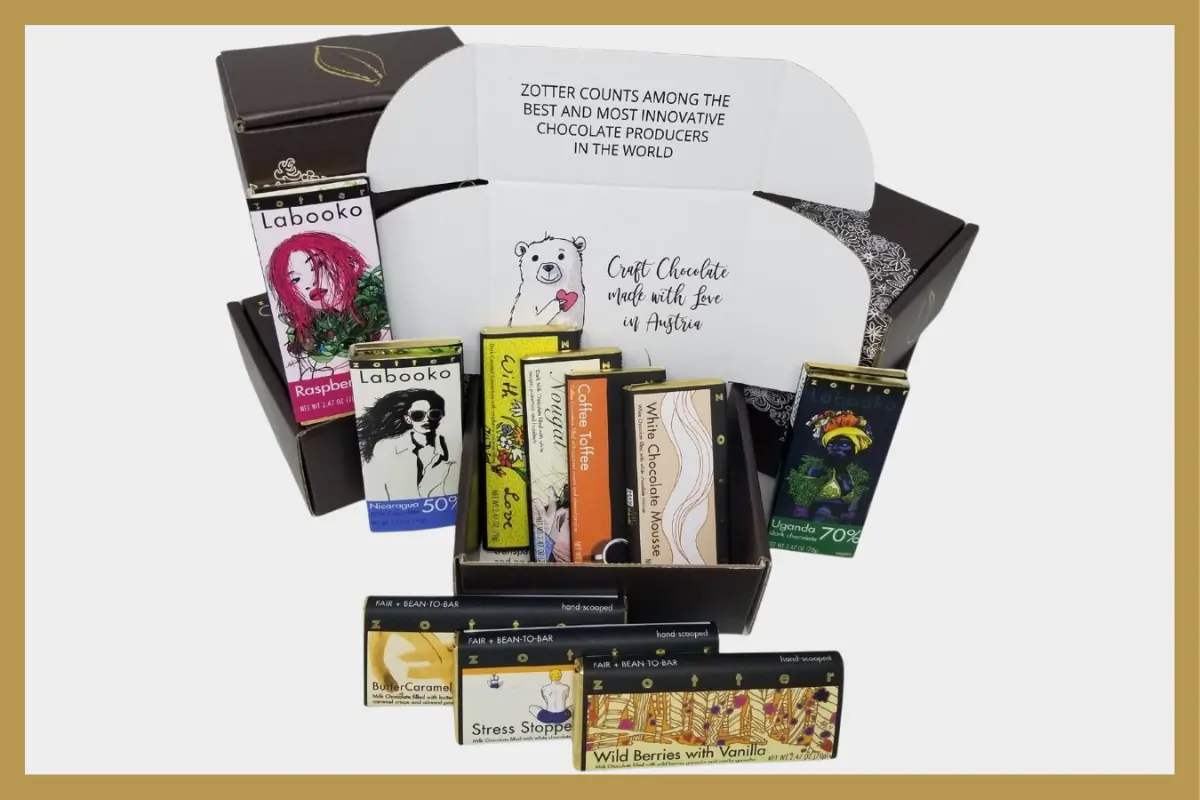
This is where a broad artisan collection becomes especially compelling. Zotter, for example, is known for treating chocolate as both craft and creative medium, with a range that moves from pure origin bars to decidedly unconventional filled combinations. That variety gives a shopper room to match a bar to a mood, a dietary preference, or a gift recipient instead of settling for the same familiar profile.
When artisan chocolate may not be worth the extra cost
There are honest reasons to pass on the premium option. If you are baking brownies for a crowd, a luxurious filled bar may not be the smartest use of your budget. If you prefer very sweet, uncomplicated chocolate, a nuanced high-cacao bar could feel less satisfying than your usual favorite. And if you plan to eat chocolate quickly, without much attention, much of the artisan experience can be lost.
Price is also a real consideration. Premium chocolate is best viewed as an intentional treat rather than an everyday bulk purchase. You do not need to replace every candy bowl with single-origin bars to appreciate better chocolate. One exceptional bar enjoyed slowly can be more memorable than a large quantity of something merely sweet.
The category also varies widely. Some products use artisan language loosely, while others show clear substance in their ingredient choices, sourcing practices, and flavor. Read the label. Look for a specific cacao percentage or origin when relevant, recognizable ingredients, and transparent statements about how the chocolate is made and sourced. If a bar promises a particular flavor, it should taste like more than sugar and a clever name.
How to make your first artisan chocolate purchase count
Start with what you already enjoy. If milk chocolate is your comfort zone, choose a premium milk bar with nuts, caramel, or a gentle spice rather than jumping immediately to an intensely dark, single-origin bar. If you love coffee, fruit desserts, or savory snacks, let those preferences guide your first flavored selection.
Discovery packs are particularly useful when the assortment feels delightfully overwhelming. They let you compare different cacao styles and fillings without committing to a full stack of unfamiliar bars. Taste at room temperature, take a small bite, and give it a moment. The flavor after the melt is often where fine chocolate reveals its character.
For gifting, think about the recipient’s sense of adventure. A classic dark or milk chocolate option suits a cautious palate; a playful filled assortment can make a better impression for the person who is always ordering the unusual dessert. Premium chocolate is a small luxury, but it should still feel personal.
The right artisan chocolate does more than satisfy a craving. It gives you a reason to slow down, taste closely, and share something unexpectedly excellent. Choose one that respects both the cacao and your own curiosity, then let a single square make its case.