
A dark chocolate bar can promise 85% cacao and still taste flat, harsh, or strangely sugary. Another at 70% can unfold with notes of berry, roasted nuts, citrus, or warm caramel. Learning how to choose dark chocolate is less about chasing the highest number on the wrapper and more about recognizing the details that create an exceptional bite: thoughtful ingredients, skilled craft, traceable cacao, and a flavor profile you will genuinely want to revisit.
For the curious chocolate lover, this is excellent news. Dark chocolate is not one flavor category. It is a remarkably broad tasting world, from bright and fruit-forward single-origin bars to deep, creamy, nutty blends and wildly imaginative filled creations.
Start With Cacao Percentage, Not Cacao Anxiety
Cacao percentage tells you how much of a bar comes from cacao ingredients, generally cocoa mass and cocoa butter. The rest is typically sugar, with occasional additions such as vanilla, spices, fruit, nuts, or milk powder. It is useful information, but it is not a universal quality score.
A 60% to 70% dark chocolate is often a welcoming place to begin. These bars can offer a generous cacao character while retaining enough sweetness to make delicate flavor notes easy to find. They work beautifully for everyday snacking, sharing with guests, and pairing with coffee or a glass of red wine.
From 70% to 80%, chocolate tends to become more intense and less sweet. This range is ideal for someone who enjoys the personality of cacao itself: toasted, earthy, floral, fruity, woody, or nutty, depending on the beans and the maker. Above 85%, expect a more concentrated experience. The best high-cacao bars can be velvety and complex, but they are not automatically more refined simply because the percentage is higher.
Think of cacao percentage as a starting point for your palate. If a 90% bar feels too assertive, that does not mean you lack sophisticated taste. It means you may prefer the balance and expressive range of 70% or 75%. Chocolate should feel like pleasure, not homework.
How to Choose Dark Chocolate by Reading the Ingredients
Turn the bar over. A short, recognizable ingredient list is usually a promising sign. For a pure dark chocolate bar, look for cacao mass or cocoa liquor, cocoa butter, and sugar. Vanilla may appear as well. Each ingredient has a role, and fewer ingredients make it easier to understand what you are tasting.
Cocoa butter deserves special attention. It is the naturally occurring fat in cacao and gives fine chocolate its smooth melt, gloss, and satisfying snap. A bar made with cocoa butter will usually feel more luxurious than one relying on substitute fats. This is one of the quiet but meaningful differences between high-end chocolate and confectionery made primarily for shelf-life or cost control.
Sugar belongs in many dark chocolates, and there is no need to treat it as a villain. Its job is to balance bitterness, lift fruit notes, and make complex cacao more approachable. What matters is whether the sweetness supports the chocolate or overwhelms it. When tasting, ask yourself whether the finish is lingering cacao or just lingering sugar.
For flavored or filled dark chocolate, a longer ingredient list is expected. Here, look for additions that sound intentional: real fruit, nuts, spices, quality spirits, coffee, or thoughtfully prepared praline. A playful filling should add contrast and surprise while allowing the chocolate shell to remain part of the experience.
Origin Changes the Flavor in the Same Way Terroir Changes Wine
Cacao has a sense of place. Soil, climate, genetics, fermentation, drying, and roasting all influence the finished flavor. That is why two bars with the same cacao percentage can taste entirely different.
A single-origin bar features cacao from one country, region, or sometimes a specific cooperative or estate. It can be a compelling choice when you want to taste provenance clearly. Depending on its origin and treatment, you may find flavors reminiscent of red fruit, banana, honey, citrus, roasted almond, tobacco, molasses, or baking spice. These are tasting impressions, not added flavors.
Blended chocolate can be just as exceptional. A skilled maker may combine beans from different places to build balance, consistency, and depth. Choose single origin when you are in the mood to compare and explore. Choose a blend when you want a reliable, composed expression. Neither is inherently superior.
If you are new to origin chocolate, taste two bars of similar cacao percentage side by side. Break off a small square of each, let it melt slowly, and notice the difference. One might begin bright and tangy before settling into raisin-like sweetness; another may be darker, rounder, and more roasted. This is where dark chocolate becomes an experience rather than a quick snack.
Look for Ethics You Can Taste and Trust
The finest chocolate begins long before the bar is wrapped. Cacao farming is labor-intensive, and quality depends on care at every stage, from harvesting ripe pods through fermentation and drying. Choosing organic and fair trade chocolate is a practical way to support a supply chain that values people, agricultural practices, and long-term quality.
Certifications can be helpful signals, especially when paired with a maker that communicates clearly about sourcing. Look for transparency around cacao origins, farmer relationships, organic practices, and fair compensation. A premium price should reflect more than beautiful packaging. It should help sustain the craft and the communities behind the cacao.
There is room for nuance. Certification is not the only marker of responsible sourcing, and some small producers work directly with farmers without carrying every seal. The key is whether a brand offers credible, specific information rather than vague claims. Chocolate with a clear story tends to be chocolate made with greater accountability.
Let Texture Tell You About Craft
Before you take a bite, look at the chocolate. A well-tempered bar often has an even sheen and a clean break when snapped. Its surface need not be perfectly flawless, especially with hand-crafted pieces, but it should feel cared for.
Then let a small piece rest on your tongue. Fine dark chocolate should melt gradually and feel smooth rather than gritty or waxy. A little texture may be intentional in a bar with inclusions, but pure chocolate should reveal a creamy, even mouthfeel. As it melts, the aroma and flavors should evolve.
Bitterness is not automatically a flaw. Cacao has natural bitterness, and a darker bar may show it proudly. The difference is balance. Good bitterness can feel like espresso, walnut skin, or charred toast: structured, intriguing, and followed by a clean finish. Harsh bitterness that lingers without aroma or dimension may point to less careful bean selection, roasting, or formulation.
Choose for the Moment, Not Just the Label
The best bar for a post-dinner square may not be the one you reach for during an afternoon coffee break. A 70% dark chocolate with almond praline might be exactly right for a gift box or a celebratory gathering. A pure, high-cacao origin bar may be the better choice for a quiet tasting moment when you want to pay attention.
Dietary needs matter, too. Dark chocolate is often vegan, but not always. Filled bars may contain milk, butter, honey, or other animal-derived ingredients, so check the label if you follow a vegan diet. If you have allergies, be mindful of shared production facilities and inclusions such as nuts, sesame, or gluten-containing ingredients.
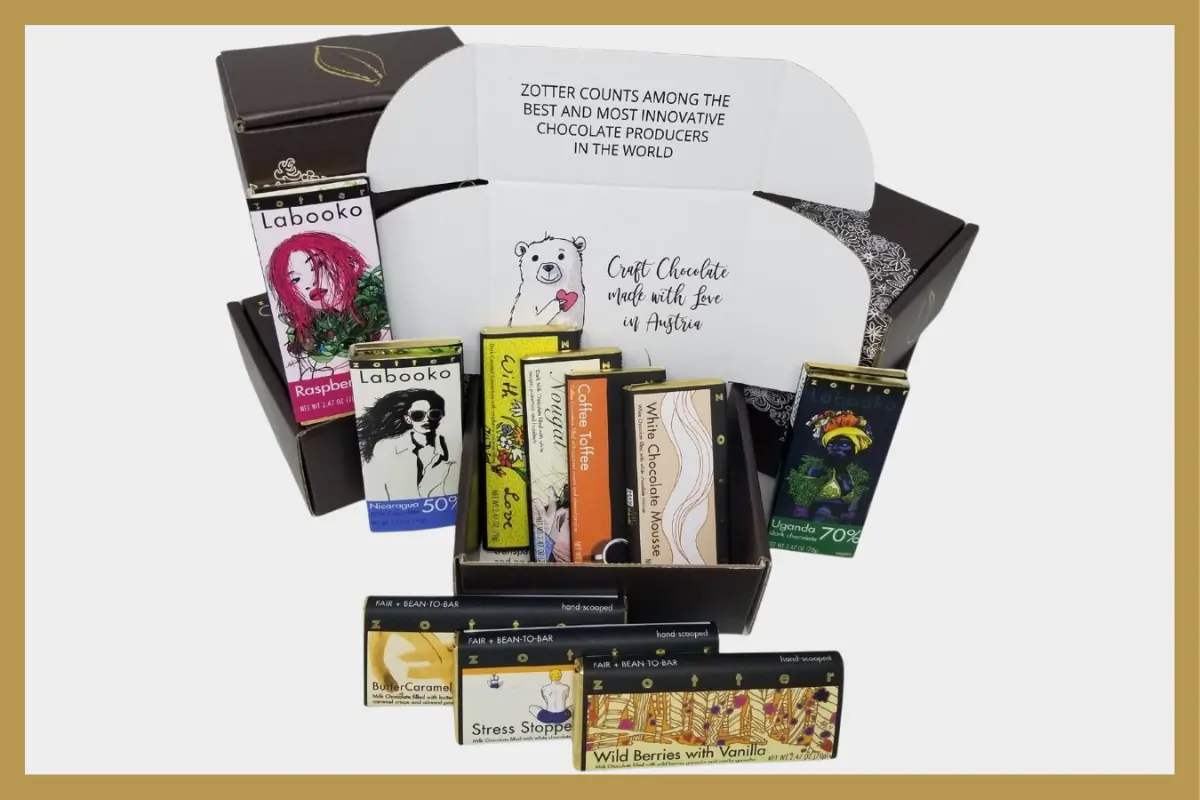
For gifting, variety often wins. A discovery selection gives someone permission to explore without committing to one intensity or flavor direction. Zotter’s broad collection makes this especially enjoyable, moving from elegant origin-driven chocolate to adventurous combinations that turn a small square into a conversation.
Store a Great Bar Like It Deserves
Even exquisite chocolate can lose its magic if it is stored carelessly. Keep bars in a cool, dry, dark place, ideally around 60 to 68 degrees Fahrenheit. Avoid the refrigerator when possible, since moisture and odors can affect texture and flavor. If your kitchen is very warm, seal the bar carefully before chilling it, then let it return to room temperature before opening.
A pale, dusty-looking coating on chocolate is called bloom. It is usually harmless, though it can affect appearance and texture. Fat bloom occurs when cocoa butter rises to the surface; sugar bloom can develop after exposure to moisture. Neither means the chocolate is unsafe, but careful storage helps preserve the polished finish a maker intended.
Give Your Palate Permission to Be Specific
You do not need a professional vocabulary to choose well. Start with what you enjoy. If you like bright coffee, fresh berries, and tart cherries, seek chocolates described as fruity or citrus-forward. If you prefer bourbon, toasted bread, pecans, or rich desserts, look for deeper roasted, nutty, or caramelized profiles.
Take your time with the first square. Notice the snap, aroma, melt, beginning, middle, and finish. The right dark chocolate is the one that makes you pause before reaching for the next piece – not because it is intimidating, but because it has given you something worth noticing.