
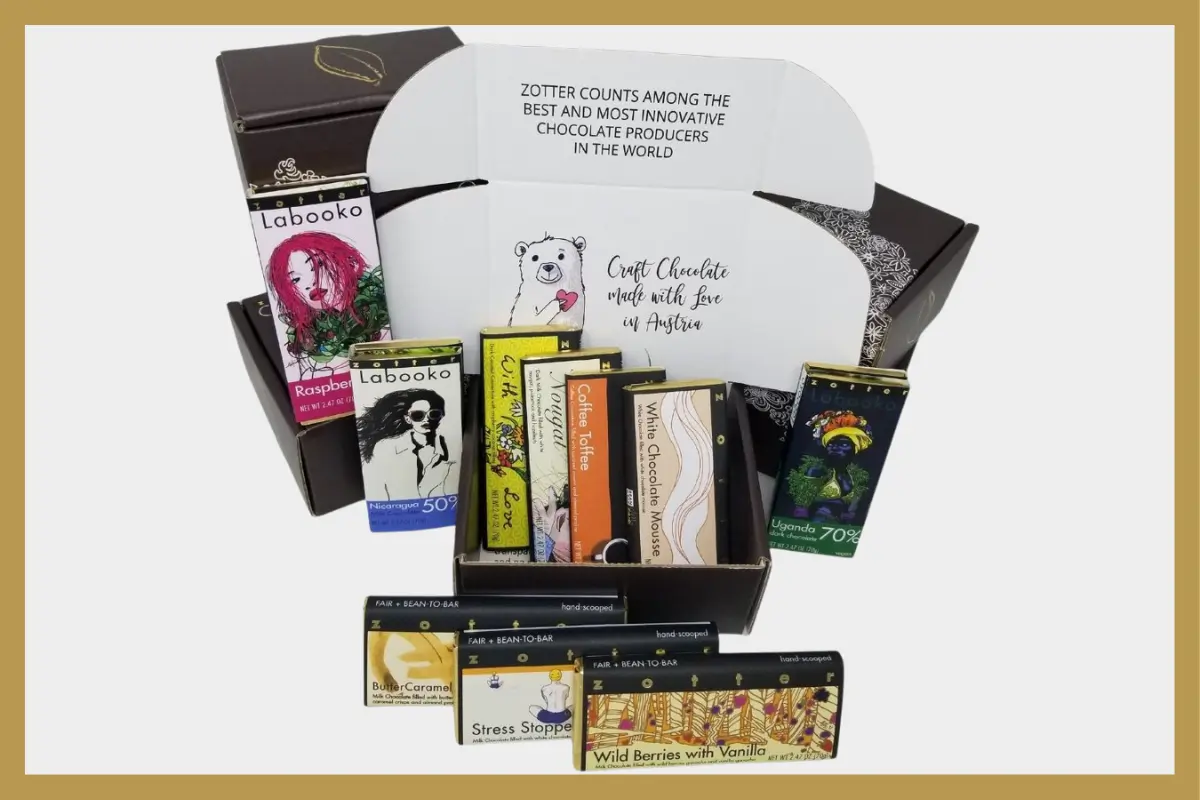
You can taste the difference within seconds. A square of mass-market chocolate often delivers sweetness first and everything else after. A well-made bean-to-bar piece starts somewhere else entirely – with aroma, origin, texture, and a flavor arc that actually changes on the palate. That is the real point of this guide to bean to bar chocolate: not just explaining a production method, but showing why it creates a more expressive, more transparent, and often far more memorable chocolate experience.
What bean-to-bar actually means
Bean-to-bar means the chocolate maker controls the process from raw cacao bean to finished chocolate bar. Instead of buying pre-made couverture or industrial chocolate and melting it down into a final product, the maker starts with cacao beans, then sorts, roasts, cracks, winnows, grinds, refines, conches, tempers, and molds the chocolate in-house.
That hands-on control matters because every step influences the final character of the bar. Roast too lightly and the chocolate can taste sharp or underdeveloped. Roast too aggressively and delicate fruit or floral notes disappear. Refine too far and you may lose some character. Refine too little and the texture can feel coarse. Bean-to-bar is not automatically better by default, but it gives the maker the opportunity to shape flavor with real precision.
For shoppers, the phrase also signals something broader: craftsmanship, traceability, and a closer relationship between ingredient quality and finished taste. In premium chocolate, that connection is everything.
A guide to bean to bar starts at origin
Chocolate does not begin in a factory. It begins with cacao grown in places where climate, soil, variety, and post-harvest handling all leave a mark on flavor. Just as wine reflects terroir, cacao does too.
Beans from one region may show red fruit and citrus. Another may lean nutty, earthy, or gently spicy. Some origins are naturally mellow and creamy, while others arrive with striking acidity or floral lift. The point is not that one origin is best. The point is that origin gives chocolate identity.
This is also where ethics enter the conversation. Premium bean-to-bar chocolate often places serious emphasis on organic agriculture, fair trade principles, direct sourcing relationships, or a combination of these. Those choices are not just moral decoration for the packaging. They affect farmer livelihoods, ingredient quality, and long-term sustainability. Better cacao starts with care at the source.
That said, sourcing language can sometimes get fuzzy. A country of origin is useful, but more specific information is better. A named region, cooperative, or farm offers a clearer picture of provenance. Transparency is part of what sophisticated chocolate buyers are paying for.
The process behind the flavor
Once cacao beans arrive, the transformation begins. The first stages are surprisingly physical. Beans are sorted to remove defects, then roasted to develop flavor and reduce moisture. Roasting is one of the maker’s biggest creative decisions. It can highlight berry brightness, deepen caramel notes, or soften natural bitterness.
After roasting, the beans are cracked and winnowed so the outer husks are removed and the cacao nibs remain. Those nibs are then ground into a thick paste called chocolate liquor. From there, the maker may add sugar, cocoa butter, milk powder for milk chocolate, or other ingredients depending on the style of bar.
Refining reduces particle size, which affects mouthfeel. Conching, a longer mixing and aerating process, shapes both texture and taste by smoothing rough edges and driving off undesirable volatile acids. Then comes tempering, where the chocolate is carefully brought through temperature stages so it sets with shine, snap, and stability.
It sounds technical because it is. But the outcome is sensory. When bean-to-bar chocolate is made well, you notice clarity. Flavors feel more intentional. Texture feels cleaner. Even a bold, unconventional bar should taste composed rather than muddled.
Why bean-to-bar chocolate tastes different
The easiest answer is quality control, but that is only part of it. Bean-to-bar chocolate tastes different because it is usually made with a different goal. Mass production often prioritizes uniformity, low cost, and broad appeal. Bean-to-bar makers are more likely to prioritize expression.
That means allowing the cacao to speak rather than burying it under excess sugar or vanilla. It means accepting that one harvest may taste slightly different from another. It means celebrating distinctiveness instead of engineering every bar to taste exactly the same forever.
For some consumers, that first encounter can be surprising. A dark chocolate may taste fruity rather than simply bitter. A milk chocolate may show notes of malt, honey, or toasted cream instead of reading as one-dimensional sweetness. A high-cacao bar may still feel elegant and balanced. These are not flaws. They are signs that the chocolate still has a sense of place.
Of course, there are trade-offs. Bean-to-bar chocolate is often more expensive. Smaller-batch production, premium cacao, and ethical sourcing all cost more. Flavor can also be more challenging if you are used to highly standardized chocolate. But for many chocolate lovers, that complexity is exactly the appeal.
How to read a bean-to-bar bar
If you are shopping premium chocolate, packaging can tell you quite a bit. Start with the ingredients. A short list is often a good sign, especially for dark chocolate. Cacao beans, sugar, cocoa butter, and perhaps vanilla are common. If the ingredient list reads like a chemistry project, that is a different category of product.
Next, look at cacao percentage, but do not treat it as a scoreboard. Higher percentage does not automatically mean better chocolate. It usually means less sugar and a more intense expression of cacao, but flavor depends on origin, roast, and formulation. An exceptional 70% can be more nuanced than a flat 85%.
Then look for sourcing details and certifications. Organic and fair trade credentials may matter deeply to you, and rightly so. They offer one layer of assurance, though thoughtful makers often go further with detailed sourcing stories and a clear point of view on production.
Finally, consider what kind of experience you want. Pure origin bars are ideal when you want to explore cacao itself. Filled bars, layered textures, and adventurous flavor combinations offer a different kind of luxury – one rooted in creativity and craftsmanship. Both can belong in a serious chocolate collection.
A practical guide to bean to bar tasting
Tasting bean-to-bar chocolate is more rewarding when you slow down just a little. Let the chocolate come to room temperature if it has been stored in a cool place. Break off a piece and listen for the snap. A clean snap usually signals good temper, especially in dark chocolate.
Before tasting, smell it. Aroma gives you an early sense of what is coming – fruit, spice, roasted nuts, caramel, earth, cream. Then let the chocolate melt rather than crunching through it immediately. Texture is part of the pleasure, and the flavor will unfold in stages.
Ask simple questions. Is it bright or deep? Dry or creamy? Does the finish linger with pleasant bitterness, or does it flatten out quickly? Does sweetness support the cacao, or dominate it? You do not need formal tasting vocabulary to notice quality. You just need attention.
If you are new to bean-to-bar, start with a few styles side by side. Compare a dark origin bar with a milk chocolate and then with something more adventurous. Discovery is part of the luxury. This is one reason curated assortments and tasting sets are so appealing – they lower the barrier to entry while letting your palate find its own preferences.
Bean-to-bar and creativity can coexist
Some people hear bean-to-bar and imagine a very serious world of plain dark bars and solemn tasting notes. There is certainly a place for origin purity, but great artisan chocolate is not limited to minimalism.
In fact, one of the most exciting things about premium chocolate is how beautifully rigorous craft can support bold creativity. When the base chocolate is excellent, unexpected ingredients feel more vivid, not less. Fruit, nuts, coffee, spices, florals, spirits, and savory accents can all work when they are balanced with intention.
That balance is what separates novelty from artistry. A playful flavor should still taste high-end. The surprise should feel curated, not chaotic. This is where a truly distinctive maker stands out: not by being unusual for the sake of it, but by pairing impeccable chocolate technique with fearless imagination. Zotter has built much of its reputation in exactly that space.
Who bean-to-bar is really for
Bean-to-bar is often framed as a niche for experts, but that undersells it. Yes, informed chocolate buyers appreciate origin detail, roast style, and cacao percentage. But bean-to-bar is also for the gift giver who wants something genuinely memorable, for the food lover who values ingredient integrity, and for the conscious shopper who wants indulgence aligned with ethics.
It is also for anyone tired of chocolate that tastes interchangeable. Premium chocolate should feel like a choice, not an afterthought. Whether you gravitate toward pure origin bars, vegan recipes, hand-filled creations, or imaginative seasonal assortments, the best bean-to-bar chocolate offers more than sweetness. It offers point of view.
The smartest way to approach it is with curiosity rather than rules. Try different origins. Compare percentages. Notice texture. Pay attention to sourcing. Trust your own palate. The more you taste, the more you realize that bean-to-bar is not a trend label. It is a promise that chocolate can be more expressive, more ethical, and far more fun than most people have been led to expect.
The next time you unwrap a truly fine bar, give it a moment before the first bite. Great chocolate has a story to tell, and the best way to hear it is to taste slowly.