
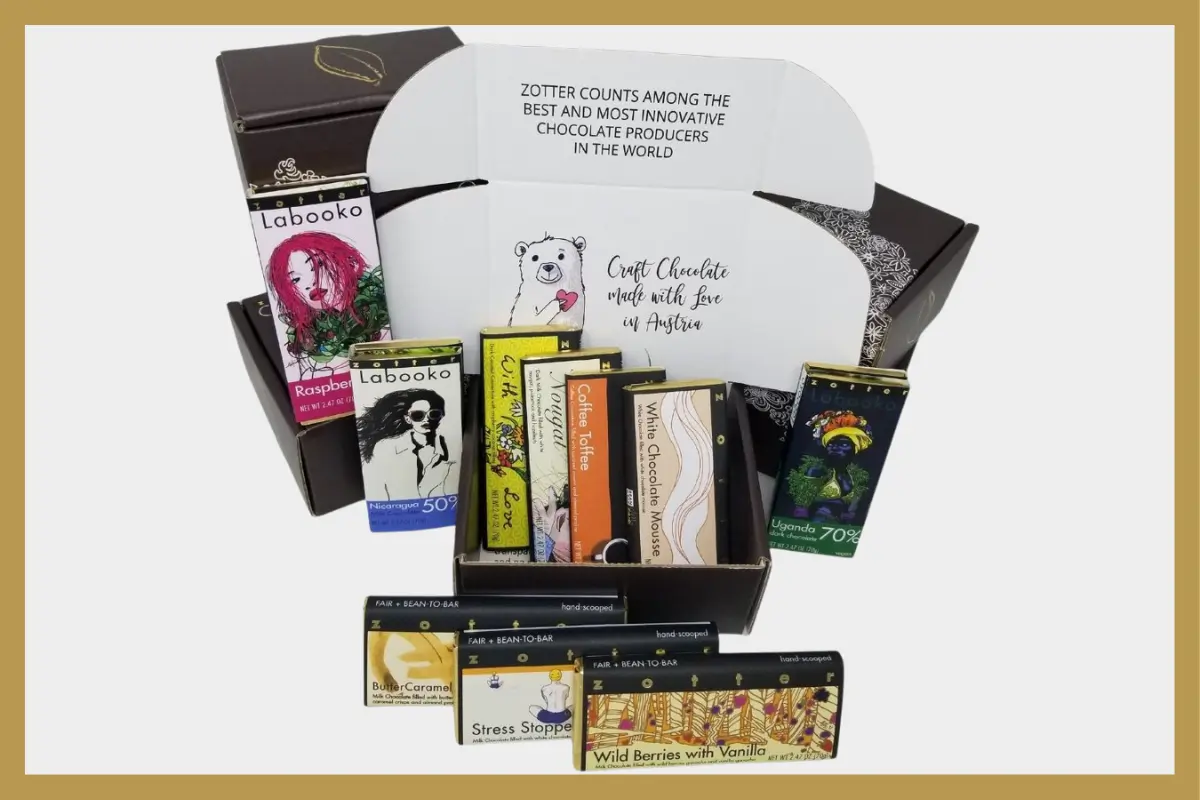

A chocolate bar can begin with a craving, but its character begins much earlier: at the farm, in the fermentation boxes, and in the choices behind cocoa sourcing. Before cacao becomes a glossy square of dark chocolate or a wildly layered filled bar, it has already gathered a sense of place. Its fruitiness, bitterness, depth, and aromatic lift are shaped by where it grew and how people cared for it.
For chocolate lovers, sourcing is not a technical detail tucked behind the wrapper. It is part of the experience. The same attention that makes a bar feel gift-worthy – carefully chosen ingredients, imaginative fillings, beautiful craft – should extend to the cocoa at its center.
Cocoa Sourcing Starts With the Bean
Cacao is an agricultural crop, not a uniform flavor ingredient. It grows within a broad tropical belt, but the conditions in each growing region are strikingly different. Soil composition, rainfall, elevation, shade cover, cacao variety, and local post-harvest practices all influence the finished chocolate.
That is why a high cocoa percentage alone cannot tell you whether a bar will be intense, elegant, fruity, earthy, or pleasantly bitter. A 70% bar made with cocoa from one origin may offer red-fruit brightness and a clean finish. Another at the same percentage may be darker, more nutty, or carry notes of coffee and dried fruit. The percentage describes the proportion of cocoa ingredients. Origin and processing help describe the personality.
Exceptional sourcing begins with respect for that distinction. Rather than treating cocoa as an interchangeable commodity, a thoughtful chocolate maker considers what each harvest can express. The goal is not to force every bean into the same flavor profile. It is to reveal what makes it compelling.
Fermentation Is Where Much of the Flavor Begins
Fresh cacao beans are surrounded by sweet pulp inside the cacao pod. Once harvested, they are fermented, typically in boxes or heaps, then dried before shipment. This step is foundational. Proper fermentation develops many of the flavor precursors that later emerge during roasting and conching.
Under-fermented cacao can taste flat, astringent, or vegetal. Over-fermentation can dull more delicate notes. Weather, drying time, and the skill of the people managing the harvest all matter. This is one reason cocoa sourcing requires long-term attention rather than a simple purchase order.
For the person opening a chocolate bar at home, that work translates into a more expressive bite. You may not see the fermentation process, but you can taste its results in a chocolate that unfolds slowly rather than hitting only one blunt note of sweetness or bitterness.
Ethical Cocoa Sourcing Is About More Than a Label
Certifications such as Fair Trade and organic certification can offer meaningful standards and added accountability. They can support requirements around pricing structures, traceability, farming inputs, labor practices, and environmental stewardship. For shoppers who want their indulgence to align with their values, they are useful signals worth seeking out.
Still, ethical sourcing is not a single-box exercise. Certification systems vary, and no label can capture every relationship, every harvest, or every challenge faced by a farming community. The strongest approach pairs credible standards with active engagement: knowing where cocoa comes from, building reliable partnerships, paying attention to quality, and treating farmers as essential contributors to the finished product.
Fair compensation matters because quality has a cost. Carefully harvesting ripe pods, fermenting beans with precision, and drying them properly require time, knowledge, and infrastructure. When the market rewards only volume and the lowest possible price, both farming communities and chocolate quality can suffer.
Organic production adds another layer of consideration. Organic cacao is grown without certain synthetic pesticides and fertilizers, according to certified standards. It can support healthier soils and more biodiverse farm environments, particularly when cacao is cultivated under shade alongside other plants. But organic does not automatically mean superior flavor, and non-organic cocoa is not automatically poor quality. As with every sourcing claim, the meaningful question is how the cocoa was grown, purchased, and handled over time.
Why Traceability Changes the Chocolate Experience
Traceability means being able to follow cocoa through the supply chain with greater clarity, from a named origin or cooperative through processing and production. It helps chocolate makers make more informed decisions, identify quality issues, and communicate honestly with customers.
For shoppers, traceability creates context. A bar tastes different when you understand that its cocoa was selected for a particular regional profile or grown by producers whose work is recognized rather than erased. It turns chocolate from a generic sweet into a crafted food with provenance.
There are degrees of traceability. A country-of-origin statement is useful, but it is broad. Regional, cooperative, or farm-level information can be more specific. Yet greater specificity is not always possible every season, especially when harvest volumes shift or cocoa must be blended to achieve consistency. Transparency includes acknowledging those practical realities instead of suggesting that every bar has a perfectly simple supply chain.
This is also where bean-to-bar production earns its place. When a maker oversees the transformation from cacao bean to finished chocolate, there is more opportunity to preserve a bean’s distinct character. Roasting can be adjusted for a delicate, fruit-forward cacao or a more assertive, earthy one. Grinding, conching, and recipe development can then build on that foundation rather than hide it.
Sourcing Is the Foundation, Not the Entire Recipe
Great cocoa is essential, but it is not magic. Chocolate making remains an act of judgment. A maker must decide how dark to go, how much sugar best supports the cocoa, whether milk adds a welcome caramel softness, and how inclusions or fillings should interact with the chocolate shell.
This is particularly true for adventurous artisan bars. Chili, coffee, nuts, fruit, spices, spirits, and playful fillings can either flatten a beautiful cocoa or create a memorable conversation between flavors. The best combinations do not use unusual ingredients merely for surprise. They give the chocolate room to speak.
A pure origin bar is often the clearest way to experience a cacao’s distinctive profile. It is a compelling choice for the curious palate, much like tasting a single vineyard wine. Filled bars offer a different kind of luxury: a precise balance of texture, aroma, sweetness, and contrast. Neither is the more serious choice. It depends on whether you are in the mood to study the bean or be delighted by the composition.
At Zotter, this belief makes room for both pleasures: serious bean-to-bar craft and a fearless appetite for flavor. Ethical, organic, fair trade cocoa provides the grounding. Austrian confectionery artistry supplies the spark.
How to Shop for Chocolate With Sourcing in Mind
Start with the information a brand is willing to share. Look for clear statements about cocoa origin, organic and fair trade certification where applicable, bean-to-bar production, and ingredient quality. Specificity is encouraging, but vague claims deserve a closer look.
Then let your own palate participate. If you enjoy bright, tangy flavors, seek bars that mention fruit-forward or citrus-like notes. If you prefer a deeper, more classic profile, look for descriptions that suggest roasted nuts, caramel, coffee, or warm spice. A discovery pack can be especially useful here, offering several styles without requiring you to commit to one large bar.
Do not assume that darker always means better, or that a higher price automatically guarantees ethics and flavor. A premium bar should earn its place through balance, craftsmanship, thoughtful ingredients, and a sourcing story that feels credible rather than ornamental. The right chocolate is the one that tastes extraordinary to you and reflects the standards you want to support.
The next time you choose a bar, pause before the first bite. Read the origin, notice the ingredients, and let the chocolate melt slowly. A more considered choice does not make indulgence less joyful. It gives every exquisite square a little more meaning.