
Most chocolate looks premium until you taste it. The real difference often shows up in the snap, the melt, the clarity of flavor, and the feeling that someone cared about what went into the bar and how it was made. A good premium chocolate buying guide should help you tell the difference before you buy, whether you want a refined everyday indulgence, a memorable gift, or a bar that introduces you to something completely new.
Premium chocolate is not just a higher price point wrapped in elegant paper. It is usually the result of better cocoa, more deliberate sourcing, cleaner ingredient lists, and a production style that aims for character rather than uniform sweetness. That does not mean every expensive bar is exceptional, and it certainly does not mean the darkest bar is always the best one. Buying well starts with knowing what you value most.
What premium chocolate actually means
At its best, premium chocolate reflects three things at once: ingredient quality, craftsmanship, and intention. Ingredient quality begins with cacao that has real flavor complexity rather than a generic bitter note buried under sugar and vanilla. Craftsmanship shows up in texture, balance, and finish. Intention is what separates a thoughtfully made bar from one that simply uses luxury branding.
When you read a label, look beyond the front of the package. Terms like artisan, gourmet, and luxury can be useful, but they are not standards. What matters more is whether the maker tells you something meaningful about origin, cocoa content, production style, and sourcing practices. Organic and fair trade certifications can signal a stronger commitment to ingredient integrity and producer relationships, though certifications are part of the story, not the whole story.
Premium also does not have to mean austere. Some of the most distinctive bars on the market are playful, layered, and highly creative. Filled chocolate, hand-crafted inclusions, fruit, nuts, spices, coffee, florals, and even unexpected savory notes can all belong in a premium collection if the flavors are precise and the chocolate itself remains the star.
A premium chocolate buying guide to the label
If you want to shop with confidence, the label is your first filter. Start with the ingredient list. In a dark chocolate bar, a short list is often a good sign: cocoa mass, cocoa butter, sugar, and perhaps vanilla or another natural flavor. In milk chocolate, you will see milk powder or another dairy ingredient, and in vegan bars, alternative ingredients may help build creaminess. The question is not whether a list is extremely short in every case. The question is whether every ingredient seems purposeful.
Watch for vegetable fats replacing cocoa butter in ways that flatten texture and flavor. That shortcut is common in lower-quality confectionery and less common in true premium chocolate. If the bar includes fillings or inclusions, a longer ingredient list can still be perfectly reasonable. You are looking for quality and transparency, not purity theater.
Cocoa percentage matters, but not in the way many shoppers assume. A higher percentage does not automatically mean finer chocolate. An 85% bar can be elegant and nuanced, or harsh and one-dimensional. A 50% milk chocolate can be deeply sophisticated if the cocoa, dairy, and sugar are in balance. Use the percentage as a clue to sweetness and intensity, not as a score.
Origin is another useful signpost. Single-origin chocolate highlights cacao from one region or country and often emphasizes the unique flavor profile of that source. Blends can also be excellent, especially when the maker is building a specific flavor architecture. If you enjoy tasting the difference between fruit-forward, nutty, earthy, or floral notes, origin bars are where shopping gets especially rewarding.
How to choose by taste, not just by prestige
One of the easiest mistakes in premium chocolate buying is choosing for status rather than preference. If you love creamy, rounded milk chocolate with a touch of caramel, there is no prize for forcing yourself into an extra-dark bar you do not enjoy. Premium buying gets better when you are honest about your palate.
If you are new to higher-end chocolate, begin with a range rather than a single style. Try one classic dark bar, one milk chocolate, one filled bar, and one origin-focused bar. That small comparison teaches you more than reading ten tasting notes. You will start noticing whether you prefer bright acidity or mellow depth, a clean finish or a lush, dessert-like profile.
Texture deserves more attention than it gets. Fine chocolate should melt smoothly and evenly, without a waxy coating or a grainy finish. A crisp snap in a dark bar often signals proper tempering, though texture expectations shift slightly with filled bars and softer formats. Good premium chocolate feels composed.
Sweetness is where trade-offs become personal. Some shoppers want minimal sugar and strong cacao intensity. Others want complexity without bitterness. Neither preference is more correct. The best bar for you is the one that delivers depth without making you work too hard for pleasure.
Ethics, sourcing, and why they matter in flavor
For many chocolate buyers, ethics are no longer separate from quality. That is a smart instinct. Better sourcing can support better cacao, better farming practices, and more stable long-term relationships with growers. It can also point to a maker that treats chocolate as an agricultural product rather than a commodity ingredient.
This is where certifications and sourcing language help, but context still matters. Organic standards may appeal to shoppers focused on cleaner production. Fair trade certifications can speak to trading practices and producer support. Bean-to-bar production tells you the maker is involved from cocoa bean to finished chocolate, which often means greater control over roasting, grinding, and flavor development.
Still, the right choice depends on your priorities. Some buyers are most motivated by certified organic ingredients. Others care most about direct sourcing transparency or small-batch production. The strongest premium brands tend to communicate these values clearly rather than hiding behind vague claims.
Buying premium chocolate for gifting
Chocolate is one of the easiest gifts to get mostly right and one of the hardest gifts to get exactly right. The difference is curation. A premium chocolate gift should feel chosen, not generic.
For a host gift or broad audience, variety usually wins. An assortment of styles or a discovery set gives the recipient room to explore and makes the gift feel more generous. If you know the recipient well, specificity is more impressive. A selection built around dark origin bars, vegan options, or adventurous filled flavors feels attentive in a way a standard box does not.
Presentation matters, but it should not overpower the chocolate. Elegant packaging can signal care and occasion, especially for holidays or corporate gifting, yet the product inside needs to justify the look. Premium buyers notice when the exterior promises more than the flavor delivers.
This is also where seasonality can be useful. Limited collections and holiday assortments often make gifting easier because they feel timely and celebratory. The trade-off is that seasonal products sometimes prioritize novelty over lasting appeal, so it helps to choose makers known for both creativity and chocolate quality.
Shopping a large assortment without getting overwhelmed
A broad catalog is exciting until it becomes a little paralyzing. When a brand offers dozens or even hundreds of bars, filters matter. Shop first by occasion, then by flavor style, then by dietary needs.
If you are buying for yourself, think in terms of mood. Do you want a meditative square of dark chocolate after dinner, a vivid flavor experience, or a comforting milk chocolate with a refined twist? If you are buying for a group, lean toward assortments and discovery packs. They reduce decision fatigue and increase the odds that everyone finds a favorite.
Dietary preferences should feel like a pathway, not a compromise. Vegan chocolate, sugar-conscious options, and dairy-free bars can be every bit as luxurious as conventional choices when the maker understands formulation. Premium shopping is easier when the assortment is curated clearly enough that you do not have to guess which products fit your needs.
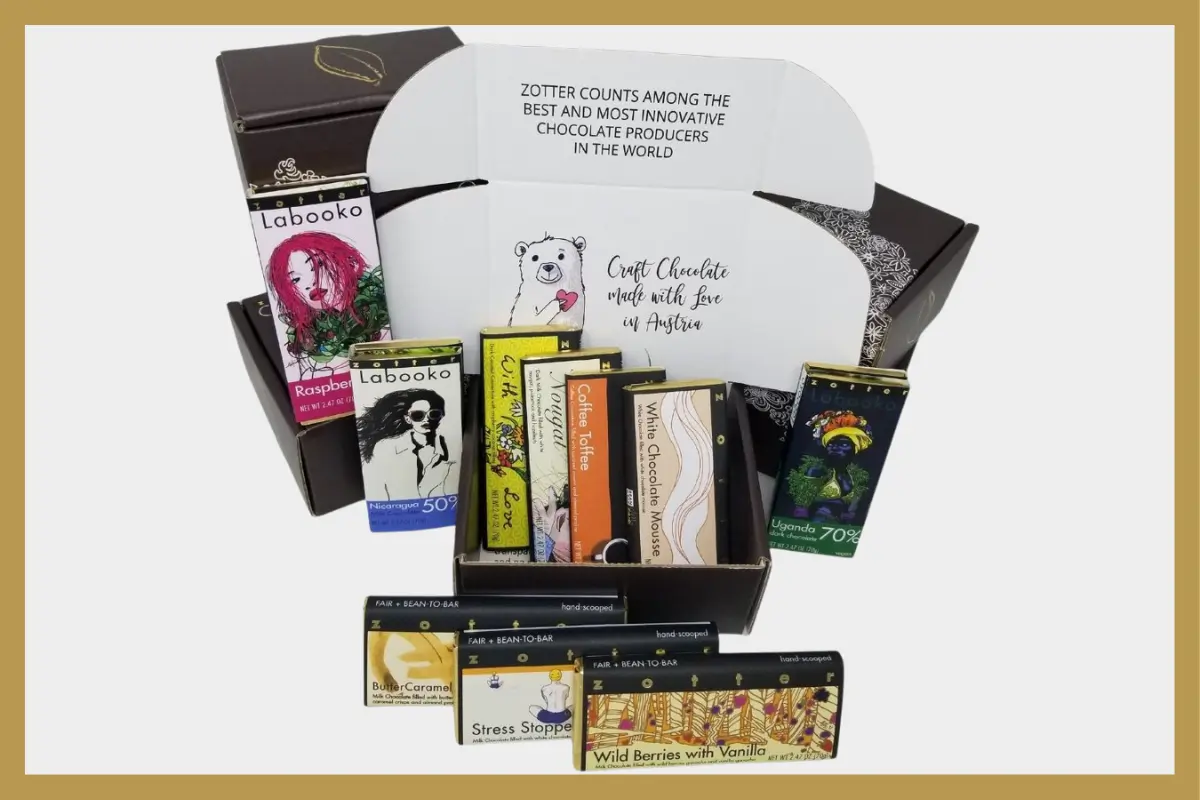
For shoppers exploring a distinctive artisan collection, including one as expansive as Zotter, the smartest first purchase is often not the boldest flavor. It is a well-chosen mix of signatures, origins, and a few unexpected bars that lets you calibrate your preferences without overcommitting.
Price, value, and when to spend more
Premium chocolate is more expensive for real reasons, but not every higher price reflects better value. Sometimes you are paying for rare ingredients, labor-intensive production, ethical sourcing, and careful packaging. Sometimes you are paying for branding. Usually, it is a combination.
Value comes down to how much pleasure, quality, and distinction the bar delivers. A thoughtfully made bar that costs a few dollars more but offers exceptional flavor, clean ingredients, and ethical credibility can feel like a better value than a cheaper bar that leaves no impression. On the other hand, if you are using chocolate primarily for baking or everyday snacking, your personal threshold for premium may be different.
A practical rule helps here: spend more when the chocolate itself is the experience. Spend selectively when chocolate is one element among many. That balance lets you enjoy high-end bars where they shine without turning every purchase into a test of taste credentials.
The best premium chocolate buying guide does not tell you to chase the darkest bar, the rarest origin, or the most dramatic packaging. It helps you buy with a sharper eye and a more confident palate. Once you find the styles, makers, and values that genuinely suit you, premium chocolate becomes less about spending more and more about tasting better.