

The first bite tells you more than the label ever will. A great chocolate bar should melt cleanly, release layered aroma, and leave behind flavor rather than sugar haze. That is where the vegan chocolate vs dairy chocolate conversation gets interesting – not as a trend debate, but as a question of craft, ingredients, and what kind of chocolate experience you actually want.
For premium chocolate buyers, the real difference is not simply whether milk is present. It is how that choice affects texture, sweetness, cacao expression, ingredient integrity, and even the story behind the bar. Some bars are designed for creamy comfort. Others are built to let cacao, origin, and inventive inclusions speak with more clarity. Neither style wins by default. The better question is what each one does best.
Vegan chocolate vs dairy chocolate: what changes in the bar?
At the most basic level, dairy chocolate contains milk ingredients, often milk powder, cream, or butterfat, while vegan chocolate leaves them out entirely. That sounds straightforward, but the sensory shift can be dramatic.
Milk softens edges. It rounds out bitterness, creates a creamier mouthfeel, and often pushes chocolate toward caramel, malt, and toffee notes. That profile is familiar and deeply appealing, especially for anyone who loves plush, comforting bars with a silky finish.
Vegan chocolate, by contrast, tends to put cacao more firmly in the spotlight. Without dairy muting some of the sharper aromatic peaks, you may notice brighter fruit, deeper roasted notes, more pronounced nuttiness, or a cleaner finish. In a well-made vegan bar, this is not about deprivation. It is about precision.
That said, vegan does not automatically mean darker, more bitter, or more serious. Premium makers use coconut milk, oat components, nut pastes, and other plant-based ingredients to create bars that are lush, creamy, and remarkably indulgent. The category has evolved well beyond the chalky compromises many shoppers still expect.
Taste is not one thing
When people compare dairy and vegan chocolate, they often talk as if each category has a single flavor. In reality, the range inside both is enormous.
A high-cacao dairy milk bar can be elegant and restrained, with fresh cream notes supporting rather than overwhelming the bean. A vegan bar made with coconut can taste voluptuous and dessert-like. A pure dark vegan origin bar might be vivid and citrusy. A mainstream milk chocolate can be sweeter, flatter, and less nuanced than either.
So if you are tasting thoughtfully, the most useful lens is not vegan versus dairy as an abstract contest. It is formulation versus formulation. How much sugar is in the recipe? What is the cacao percentage? Is the chocolate bean-to-bar or industrially blended? Are the ingredients organic and fair trade? Is the maker chasing complexity or simple sweetness?
Those questions matter more than category labels alone.
Texture: where dairy still has an advantage – and where it does not
Dairy chocolate has long held the reputation for superior creaminess, and historically that was fair. Milk solids and butterfat create a soft, rounded melt that many people associate with luxury.
But texture in chocolate is not produced by milk alone. It is shaped by cocoa butter content, refining, conching, particle size, and the quality of every ingredient in the recipe. A poorly made dairy bar can feel waxy or cloying. A beautifully crafted vegan bar can melt with satin-like elegance.
Plant-based recipes do present technical challenges. Some alternatives introduce graininess, excess sweetness, or a finish that feels heavy rather than fluid. The best artisan makers solve this through careful formulation instead of relying on fillers. When they do, vegan chocolate can feel polished, rich, and complete rather than like a substitute for something else.
This is one area where premium craftsmanship really shows. In high-end chocolate, texture is engineered as carefully as flavor.
Ingredients and flavor clarity
If your palate leans toward origin chocolate, vegan bars often give cacao more room to perform. Floral Madagascar cacao, nutty Peruvian beans, or earthy notes from other origins can read with greater transparency when dairy is absent. The result can feel more architectural, with clearer lines and more distinct flavor transitions.
Dairy chocolate can be equally sophisticated, but it tends to interpret cacao rather than present it raw. Milk acts almost like a soft-focus lens. It can turn sharper fruit acidity into cream-and-berry richness or transform roasted notes into something closer to biscuit and caramel.
That is not a flaw. It is simply a different style of expression.
For some chocolate lovers, dairy creates the ideal frame for cacao. For others, it mutes the very detail they are buying premium chocolate to experience. It depends on whether you want orchestral harmony or a more solo performance from the bean.
Vegan chocolate vs dairy chocolate on sweetness
Sweetness is another place where assumptions can mislead. Plenty of consumers assume vegan chocolate is less sweet, but that is not always true. Some plant-based bars use extra sugar to compensate for missing dairy richness. Others stay balanced and let cacao intensity carry the structure.
Dairy chocolate often reads sweeter even when sugar levels are comparable because milk notes amplify the sense of confection. Creaminess can make a bar feel more dessert-like, while a darker vegan profile can feel more restrained.
If you prefer a cleaner, less sugary finish, many premium vegan bars will likely appeal to you. If you want a softer, more nostalgic sweetness, dairy may still be your natural home. Neither preference is more refined. They simply lead to different kinds of pleasure.
Ethics, dietary needs, and what buyers care about now
For many shoppers, this comparison is not just about taste. Vegan chocolate aligns with a wider set of values and practical considerations. It suits those avoiding dairy for ethical, environmental, or digestive reasons, and it opens the door for gifting with fewer dietary concerns.
Still, vegan is not automatically more ethical in every sense. The real markers of responsible chocolate remain sourcing, transparency, labor practices, organic standards, and fair trade commitments. A dairy-free bar made with vague sourcing is not necessarily a stronger choice than a dairy bar made with exceptional integrity.
That is why ingredient philosophy matters. In the premium space, buyers increasingly want both – a recipe that fits their lifestyle and a cocoa supply chain they can feel good about. Brands that take sourcing seriously have an advantage here, because the chocolate tastes better when the standards behind it are higher.
Which one is better for gifting?
If you are buying for a broad audience, vegan chocolate has a practical edge. It feels modern, inclusive, and a bit more versatile when you are not certain about someone’s dietary preferences. It also signals thoughtfulness, especially when paired with interesting flavors rather than plain, obligatory options.
Dairy chocolate, though, still has an emotional pull that is hard to overstate. For many recipients, it reads as classic luxury – creamy, generous, and familiar in the best way. If the goal is pure comfort with a premium finish, dairy can be the more crowd-pleasing choice.
The strongest gift assortments often avoid taking sides. They present contrast: a silky milk-based bar, a vivid plant-based creation, perhaps something with bold inclusions or a single-origin profile. Discovery is part of the pleasure, and that is especially true in artisan chocolate.
How to choose between vegan and dairy chocolate
If you love creamy, rounded, immediately comforting chocolate, start with dairy. If you are curious about cacao nuance, brighter flavor definition, or plant-based indulgence done with ambition, start with vegan. If you care deeply about ingredients, read beyond the front label and look at the whole composition.
A useful rule is this: buy for the experience you want, not the assumption you carry. The best vegan chocolate does not taste like a compromise. The best dairy chocolate does not taste generic or heavy. In both cases, quality reveals itself in the finish – how long the flavor lasts, how cleanly it melts, and whether you want another piece because it is compelling, not just sweet.
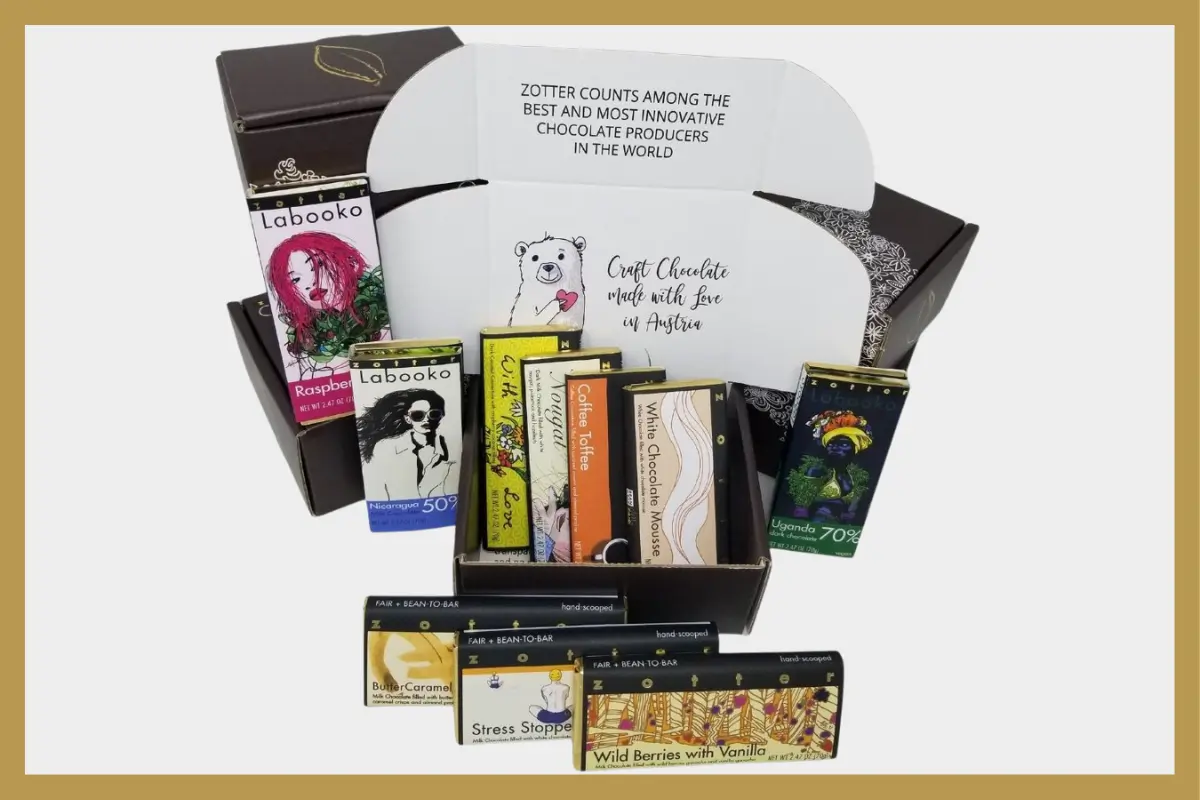
This is exactly why adventurous premium brands such as Zotter have earned such devoted followings. When chocolate is made with real imagination, careful sourcing, and artisan discipline, vegan and dairy become two different creative paths rather than a hierarchy.
The most rewarding bar is not the one that wins the category debate. It is the one that makes you pause after the first square, notice something new in the flavor, and reach for a second piece with intention.