

Most hot chocolate is built to be easy. An artisan drinking chocolate mix is built to be memorable. That difference shows up in the first sip – less sugary blur, more real cacao presence, more texture, and a flavor that actually lingers instead of disappearing behind sweetness.
If you have ever wondered why one cup tastes flat and another tastes layered, the answer usually starts with what the mix is trying to be. Conventional hot cocoa often aims for comfort and convenience first. Artisan drinking chocolate aims higher. It is crafted for people who want chocolate to taste like chocolate – nuanced, aromatic, and worth slowing down for.
What artisan drinking chocolate mix actually means
The term gets used loosely, so it helps to be specific. An artisan drinking chocolate mix is typically made with higher-quality cocoa or actual chocolate, more careful sourcing, and a recipe designed around flavor rather than just sweetness. In a premium version, the cacao is not there as a background note. It is the main event.
That does not always mean the mix is dark, bitter, or serious to the point of austerity. Good artisan drinking chocolate can be plush, creamy, playful, and deeply comforting. The difference is balance. Instead of leaning on sugar, artificial flavoring, or powdered fillers, it tends to rely on better ingredients and more deliberate formulation.
In the best cases, you can taste where the cacao is taking you. Maybe it is gently nutty, maybe red-fruit bright, maybe earthy and deep. That sense of character is what separates a crafted cup from a generic one.
Why ingredient quality changes the entire cup
The fastest way to understand premium drinking chocolate is to look at the label. Ingredient quality shapes flavor, texture, aroma, and even the finish left on the palate.
A better mix often starts with better cacao. That may come in the form of finely ground chocolate flakes, high-quality cocoa powder, or a combination of the two. Real chocolate contributes body and complexity, while excellent cocoa powder can bring intensity and lift. When those ingredients are thoughtfully sourced, the result is fuller and more expressive.
Sweetener matters too. In lower-end products, sugar can dominate so completely that the cup tastes one-dimensional. In a more refined mix, sweetness supports the cacao instead of covering it. You still get comfort, but not at the cost of flavor definition.
Then there is the matter of everything else. Premium brands are more likely to avoid the kind of shortcuts that make a drink taste powdery, overly perfumed, or strangely hollow. Organic and fair trade sourcing also matters to many chocolate drinkers, not only for ethical reasons but because it often signals a broader commitment to ingredient integrity and long-term quality.
Artisan drinking chocolate mix vs. regular hot cocoa
This is where expectations matter. If you want a very light, very sweet, instantly dissolved mug for a quick sugar-softened chocolate fix, regular hot cocoa may do the job perfectly well. It has its place.
But artisan drinking chocolate mix tends to offer a different experience altogether. It is usually richer, less aggressively sweet, and more textural. Depending on the style, it may have a silkier mouthfeel or a faintly thickened body that feels closer to melted chocolate than to chocolate-flavored milk.
Flavor is the biggest separation point. Standard cocoa mixes often deliver a single note – sweet cocoa, then done. Artisan blends are more likely to unfold in stages. You notice aroma first, then the chocolate itself, then secondary notes that might suggest vanilla, spice, caramel, roasted nuts, or fruit.
There are trade-offs. Premium mixes can cost more, and some ask a little more from you in preparation. A richer formula may need whisking, gentle heating, or patience to fully dissolve. For many people, that is not a drawback. It is part of the pleasure.
How texture shapes the luxury feel
People often focus on flavor and forget texture, but texture is a major reason one cup feels ordinary and another feels indulgent. An exceptional drinking chocolate does not just taste better. It lands differently on the tongue.
When a mix includes real chocolate or carefully chosen cocoa, it can create a denser, smoother, more satin-like mouthfeel. That tactile richness signals quality before your brain has fully sorted out the flavor. It is one reason a premium cup can feel almost dessert-like without being heavy.
Still, richer is not always better in every setting. Some drinkers want a thick European-style cup with real depth and almost spoon-coating body. Others prefer something cleaner and more fluid for everyday sipping. A good artisan brand understands that drinking chocolate is not one thing. It is a category with room for mood, occasion, and personal preference.
Flavor creativity matters – if the chocolate can carry it
One of the pleasures of premium chocolate is discovering how well it pairs with unexpected flavors. Spice, coffee, orange, caramel, coconut, and warming seasonal notes can all be beautiful in a drinking chocolate format. But the base has to be strong enough to support them.
That is where artisan makers stand out. They usually start with a chocolate profile worth tasting on its own, then build from there. The result is more integrated and sophisticated. Flavor additions feel composed rather than loud.
This matters for gifting, too. A high-end drinking chocolate mix has a built-in sense of occasion. It feels curated. For a host gift, holiday box, or personal treat, it offers something more polished than a standard pantry staple. It invites the recipient to pause, prepare a proper cup, and enjoy a little ceremony.
What to look for when shopping
If you are choosing an artisan drinking chocolate mix for yourself or as a gift, it helps to know what signals quality. The first is cacao presence. Whether the product uses cocoa powder, shaved chocolate, or both, cacao should sound central to the recipe rather than incidental.
The second is sourcing and standards. Bean-to-bar thinking, organic ingredients, and fair trade practices do not guarantee flavor on their own, but they often point to a maker that is paying attention at every stage. For discerning chocolate buyers, that level of care matters.
The third is brand philosophy. Some companies are set up to produce a safe, familiar cup for everyone. Others are built around chocolate as an experience – expressive, crafted, and a little adventurous. If your taste runs toward discovery, that distinction is worth noticing.
Finally, consider how you actually like to drink it. If you want a fast weekday ritual, choose something easy to prepare with a smooth finish. If you want a more luxurious evening cup, look for deeper cacao intensity and a fuller body. There is no single best style. There is only the one that suits the moment.
Serving it well makes a difference
Even the finest mix benefits from thoughtful preparation. Heat matters. Milk or plant milk should be warmed gently rather than rushed to a boil, which can mute some of the chocolate’s aromatic detail. Whisking matters too, especially with richer blends that contain real chocolate.
Your choice of liquid changes the result. Whole milk creates classic richness. Oat milk can add soft sweetness and body. Almond milk can make the cup feel lighter and nuttier. Water is sometimes used in more traditional styles when you want the cacao profile to come through with less creaminess.
Serving size also shapes the experience. A premium drinking chocolate is often best in a smaller cup than the oversized mug used for basic cocoa. That sounds counterintuitive, but a concentrated serving can feel more luxurious and more complete.
Why premium drinkers keep coming back to it
Artisan drinking chocolate mix fits the way many people now shop for food. They are not only buying calories or convenience. They are buying craftsmanship, provenance, and a better sensory experience. They want products that feel intentional.
That does not mean every cup has to become a tasting exercise. Pleasure can stay simple. But there is a distinct kind of satisfaction in drinking chocolate that tastes thoughtfully made, ethically sourced, and genuinely special.
For shoppers who already seek out premium bars, origin chocolate, and small-batch confections, drinking chocolate is a natural extension of that same appetite. It brings bean-to-bar values into a warmer, softer, more intimate format. And for gift buyers, it offers luxury with immediate emotional appeal – cozy, generous, and easy to enjoy.
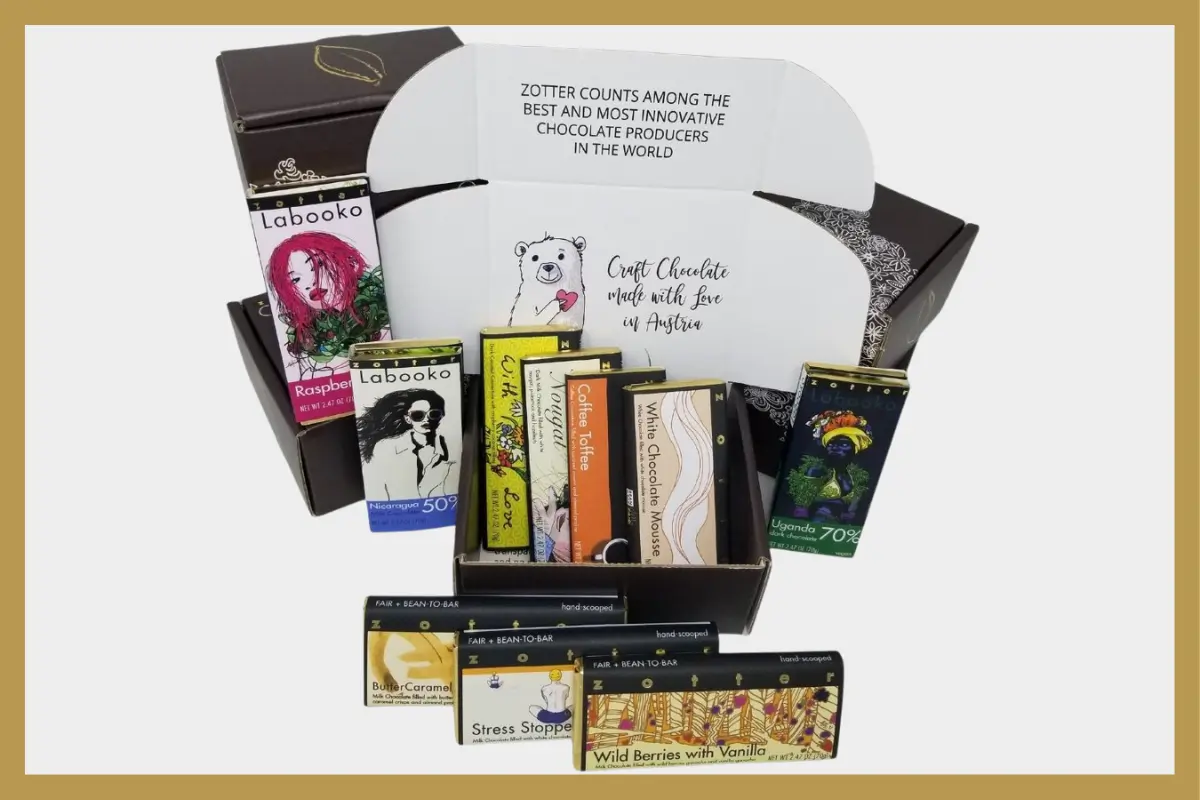
At Zotter USA, that spirit of craft and curiosity is part of the point. Chocolate should taste exquisite, but it should also feel alive with character.
The next time you want a cup of chocolate, choose one that gives you more than sweetness. Choose one that gives you a reason to slow down and savor it.