
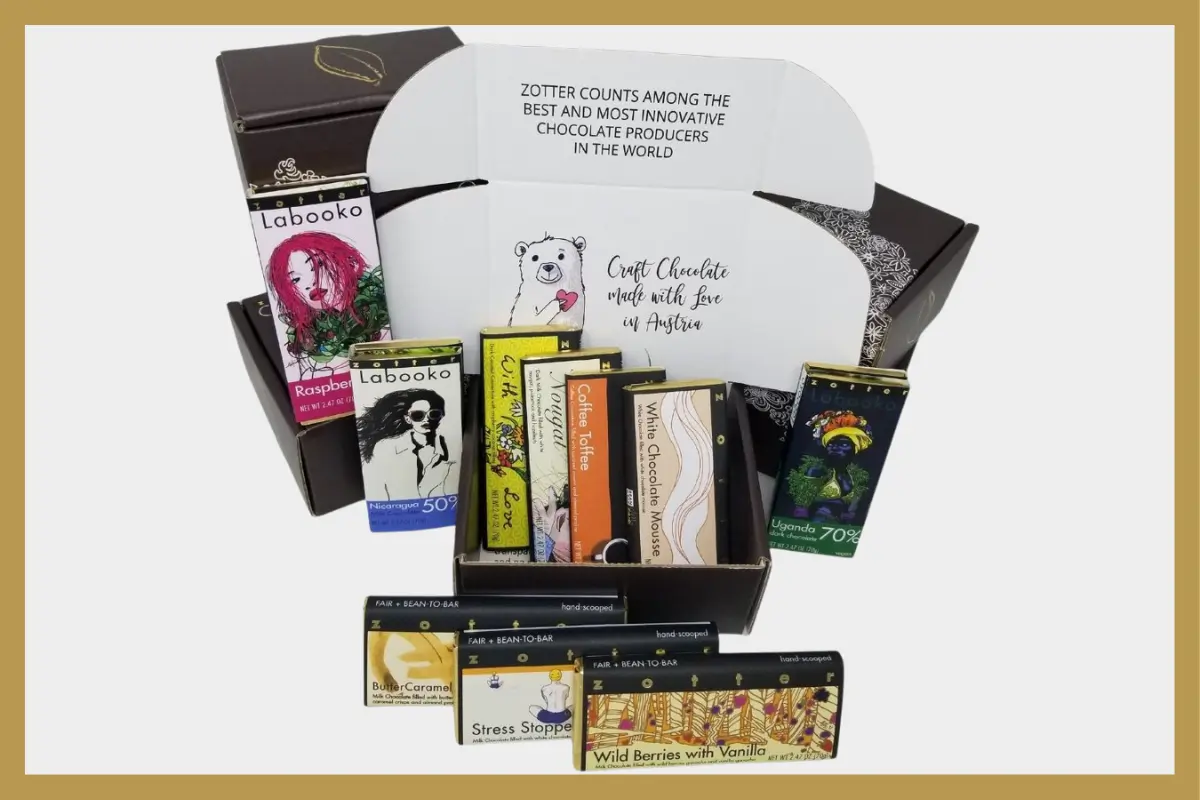

A chocolate bar earns its place on a premium shelf long before a customer takes the first bite. The wrapper must invite curiosity. The ingredients must justify the price. And the flavor has to deliver enough character that a buyer remembers it, recommends it, and comes back for another. That is the real opportunity in wholesale gourmet chocolate bars: offering an experience that feels far more considered than a routine grab-and-go sweet.
For specialty retailers, hospitality businesses, corporate gift curators, and food-focused shops, chocolate is not a minor add-on. The right assortment can become a reliable source of discovery, gifting, and repeat visits. But premium does not simply mean expensive. It means the product has a point of view – in its cacao, its craftsmanship, its ethics, and its willingness to surprise.
What Makes a Chocolate Bar Truly Gourmet?
A gourmet bar should give customers a story they can taste. That begins with cacao quality and sourcing. Origin matters because beans from different growing regions can express dramatically different personalities: bright fruit, roasted nuts, mellow caramel, deep earthiness, or lively acidity. When chocolate makers respect those distinctions rather than covering them with excess sugar or generic flavoring, the bar becomes a small edible journey.
Craftsmanship matters just as much. Bean-to-bar chocolate gives the maker greater control over the process, from selecting cacao to roasting, refining, conching, and molding. It is a slower approach, but it creates room for precision. Texture can be silky rather than waxy. Dark chocolate can be intense without becoming harsh. Filled bars can carry multiple layers of flavor without collapsing into sweetness alone.
Then there is imagination. A memorable assortment should include excellent classics, of course, but it should not stop at milk chocolate with hazelnuts. High-end chocolate invites customers to try unexpected combinations: fruit with spice, floral notes with dark cacao, crunchy praline with a delicate filling, or savory ingredients that sharpen the sweetness. These are the bars that make people pause at the display, pick one up for a friend, then return to explore the rest of the collection.
Why Wholesale Gourmet Chocolate Bars Belong in a Curated Assortment
Premium chocolate works especially well in retail because it can meet several customer needs at once. A single bar is an accessible luxury – an easy personal treat that does not require a major purchase decision. A group of distinctive bars becomes a thoughtful gift. And a carefully selected range gives regular customers a reason to browse, even when they did not enter the shop looking for chocolate.
For gift stores, bookstores, museum shops, wine merchants, independent grocers, and cafés, chocolate can also support a broader brand identity. A shop that values craft, design, global flavor, or responsible sourcing should carry products that reflect those values. The right chocolate bars signal that the assortment was chosen, not merely stocked.
There is a practical business case as well. Bars are compact, easy to merchandise, and suitable for seasonal displays. They can sit near a register as an impulse-worthy indulgence, anchor a gift basket, or add color and texture to a larger food display. Their versatility makes them useful across holiday merchandising, thank-you gifts, client appreciation, and everyday retail.
That said, assortment size should match the setting. A small café may do better with a concise selection of dependable favorites and a few conversation starters. A specialty food shop can support a wider range organized by dark chocolate, milk chocolate, vegan choices, origins, and filled bars. More choice is valuable only when shoppers can understand it.
Build a Selection With Range, Not Repetition
The easiest mistake in premium chocolate buying is choosing several bars that look different but taste nearly identical. A strong wholesale selection should give customers clear paths through the display. One person may want a high-cacao bar with no distractions. Another may be searching for a creamy, giftable milk chocolate. Someone else may need a vegan option that feels as indulgent as everything around it.
Start with a foundation of familiar pleasures: a refined milk chocolate, a satisfying dark bar, a nut-forward option, and a fruit-accented choice. From there, make room for the unexpected. A playful flavor can be an excellent conversation piece, especially when the ingredients are thoughtfully balanced rather than included for novelty alone.
It also helps to consider flavor intensity. Not every customer who enjoys premium chocolate wants 90% cacao, and not every customer wants a sweet, uncomplicated bar. A range of cacao percentages and formats lets shoppers choose their own level of adventure. This is particularly important for gifting, when the purchaser may not know the recipient’s preferences in detail.
At Zotter, that sense of discovery is central to the experience. An expansive collection of hand-scooped filled bars, pure origin chocolates, vegan creations, and unconventional flavor combinations gives retailers an opportunity to merchandise chocolate as a category worth exploring, rather than a single predictable purchase.
Give Dietary Choices Equal Star Billing
Vegan and organic options should not feel like a separate, compromised corner of the shelf. When made with care, plant-based chocolate can be creamy, complex, and genuinely luxurious. It broadens the audience while showing that a retailer has anticipated real customer needs.
The same principle applies to ethical standards. Organic and fair trade certifications can be meaningful purchase drivers, especially for shoppers who want pleasure and principle in the same package. Yet certifications work best when they are part of a fuller story about ingredient quality, responsible cocoa sourcing, and skilled production. Customers are looking for reassurance, but they are also looking for something delicious.
Evaluate the Details Behind the Wrapper
Packaging is part of the product experience, particularly in premium retail. A bar should look giftable without needing additional wrapping. Strong design can bring visual energy to a shelf, but it must also communicate clearly: flavor, cacao content, dietary information, and any key sourcing credentials should be easy to find.
Look closely at ingredients, too. Premium chocolate does not require an impossibly short ingredient list, especially when a bar has a layered filling. But the list should make sense. Real cacao, quality dairy or plant-based components, carefully chosen nuts, fruits, spices, and inclusions create confidence. Vague, overly processed formulations do not belong in a luxury assortment.
Shelf life and storage deserve attention before placing a wholesale order. Chocolate is durable when handled well, but temperature swings, humidity, and direct sunlight can damage appearance and texture. White or gray bloom may not make chocolate unsafe, yet it weakens the polished experience customers expect. Keep bars in a cool, dry, odor-free space and rotate inventory so the display remains fresh.
Merchandise Chocolate as a Discovery Experience
A wall of bars can be beautiful, but it becomes more effective when it offers a simple invitation. Organize by flavor family, dietary preference, cacao percentage, or mood. “For the dark chocolate purist,” “bright and fruity,” “filled and indulgent,” and “plant-based favorites” are more approachable than a crowded shelf with no guidance.
Staff knowledge matters, too. A brief tasting note can turn a quick question into a confident purchase: this bar is intensely cacao-forward; that one is creamy with a crisp nutty finish; another is a playful gift for someone who likes bold flavors. Employees do not need to become chocolate sommeliers. They simply need enough language to help customers choose.
Sampling can be powerful when operationally practical. Even a small tasting event around a holiday, a wine pairing, or a new seasonal arrival helps customers understand why artisan chocolate costs more than a conventional candy bar. Once people taste the difference, the category becomes easier to sell.
Choose a Wholesale Partner With a Point of View
The best wholesale relationships are not built only on case quantities and price sheets. They are built on product confidence. Look for a chocolate maker with a distinct approach to cacao, a dependable standard of quality, and enough variety to keep your selection fresh through the year.
A broad portfolio is valuable, but only if the bars feel connected by a recognizable standard. Customers should sense that each new flavor is an intentional creation, not a random experiment. Seasonal releases can add urgency and gift appeal, while core favorites provide the dependable repeat purchase that keeps the category working between holidays.
The goal is not to carry the most bars. It is to carry bars people want to talk about. Choose chocolate with real flavor, meaningful sourcing, and enough creative spark to make an ordinary purchase feel like a very good discovery.