
A well-timed chocolate should feel like it belongs to the moment. That is the enduring appeal of seasonal chocolate flavor trends: they translate the ingredients, rituals, and appetite of a particular time of year into a small, exquisite tasting experience. The best seasonal bars do more than add a pumpkin-shaped wrapper or a dusting of red sugar. They use contrast, texture, aroma, and cacao character to make the season taste more vivid.
For chocolate lovers, seasonality is also an invitation to try something outside the familiar. A bright fruit filling can make dark chocolate feel newly alive in spring. A cooling herbal note can turn a summer evening into a little ceremony. By autumn and winter, spice, nuts, caramel, spirits, and warming fruit bring depth that suits slower meals and generous gift giving.
Why seasonal chocolate flavor trends matter
Seasonal flavors work because our cravings change with the calendar. When the first local berries arrive, we tend to want lift and freshness. As the weather cools, we reach for roastier, creamier, more aromatic flavors. Chocolate is uniquely suited to this shift because cacao can play two roles at once: it can be a rich foundation for decadent ingredients, or a clean, bittersweet frame for ingredients with real brightness.
The strongest seasonal collections respect that balance. They are not built around novelty for novelty’s sake. A remarkable bar starts with quality cacao, then asks what a seasonal ingredient contributes: acidity, spice, floral aroma, crunch, creaminess, or a lingering finish. Organic and fair trade sourcing matters here, too. When ingredients are treated as more than flavor labels, provenance and craft become part of the pleasure.
There is a practical reason these flavors are so compelling for gifting. A seasonal selection feels considered without requiring an overly personal choice. It gives the recipient a reason to open the wrapper now, taste something unexpected, and remember the occasion. For the person giving the gift, it offers a simple way to make a host present, holiday package, or thank-you feel high-end rather than routine.
Spring: fruit, florals, and a cleaner finish
Spring chocolate is at its best when it feels awake. Citrus is a perennial favorite because orange, lemon, yuzu, and grapefruit can cut through cocoa butter’s richness with fragrant acidity. Berry flavors offer a different kind of brightness: raspberry brings tartness, strawberry leans softer and more nostalgic, and black currant adds a dark, wine-like edge that can stand up to higher-cacao chocolate.
Floral notes are another spring direction, though they require a careful hand. Rose, violet, elderflower, and lavender can be enchanting when they stay subtle, but too much perfume can flatten the chocolate rather than complement it. The most elegant pairings let the cacao remain recognizable, using florals as an aromatic lift instead of the entire story.
This is also a natural season for pistachio, almond, marzipan, and creamy white chocolate accents. Their gentle nuttiness bridges fruit and cacao beautifully. If you prefer dark chocolate, look for fruit-forward fillings or a pure origin bar with naturally red-fruit or citrus-like tasting notes. If you want a softer entry point, a filled bar with berry, yogurt-inspired tang, or nut cream offers spring’s freshness with a more indulgent texture.
Summer: refreshing flavors need real structure
Summer is the trickiest season for chocolate. People want something refreshing, yet chocolate itself is rich and heat-sensitive. The answer is not simply making everything sweeter. It is building flavors that feel cool, crisp, or lightly savory while preserving the chocolate’s character.
Mint remains popular for good reason, especially with dark chocolate, but the more interesting summer palette extends beyond it. Lime, passion fruit, coconut, ginger, pineapple, and tart berries bring vivid energy. Herbs can be particularly exciting: basil, rosemary, thyme, or a restrained touch of chili create an adult, food-forward contrast with sweet cacao.
Salt has a role here as well. A pinch of sea salt can sharpen caramel, amplify roasted nuts, and make a fruity filling feel less candy-like. The trade-off is that highly delicate cacao can disappear behind aggressive acids, alcohol, or spice. A balanced bar leaves room for both the filling and the chocolate to speak.
For warm-weather entertaining, smaller tasting pieces and a mixed assortment are often smarter than a single ultra-rich bar. Serve chocolate at a cool room temperature, never straight from the refrigerator if you can avoid it. Cold mutes aroma, and aroma is where many of summer’s most distinctive notes first appear.
Autumn: spice with more imagination
Autumn has long belonged to cinnamon, pumpkin, apple, maple, pecan, and caramel. These flavors earn their place, but the trend worth watching is a move toward complexity. Instead of relying on sweetness and one obvious spice, artisan chocolate makers are combining warming notes with bitterness, fruit, nuts, and savory accents.
Think apple with hazelnut and cinnamon, pear with almond, or maple with dark chocolate and a measured pinch of salt. Coffee, toasted sesame, nougat, and praline also fit the season because roasting brings a comforting depth that echoes crisp evenings and long dinners. A little chili, ginger, cardamom, or black pepper can make these flavors feel more layered than a standard spiced confection.
Pumpkin deserves nuance, too. In chocolate, it works best when treated as part of a broader autumn profile rather than a sugary shortcut. Pumpkin seed, squash-like earthiness, toasted spice, and brown-butter-style notes create more dimension than a blast of pumpkin pie flavoring. For sophisticated palates, that difference is everything.
The appeal of savory-leaning autumn pairings
Savory notes are becoming more welcome in premium chocolate because they make sweetness feel intentional. Miso, olive oil, sesame, smoked salt, and certain cheeses can be wonderful companions to cacao in the right hands. They are not always crowd-pleasers, and that is precisely why discovery packs are valuable: they make an adventurous tasting feel low-risk and gift-worthy.
Winter: celebratory, aromatic, and generously textured
Winter seasonal chocolate flavor trends lean into abundance. This is the time for marzipan, gingerbread spice, roasted nuts, nougat, cherry, orange, mulled wine-inspired fruit, and dark caramel. Alcohol-inflected flavors such as rum, whiskey, liqueur, or sparkling wine notes can also feel particularly festive, though a well-made nonalcoholic version should offer just as much complexity.
Texture matters more in winter because it reinforces the sense of occasion. Crisp praline, crunchy nut pieces, silky ganache, chewy fruit layers, and soft marzipan create a more theatrical bite than a plain bar. Hand-scooped filled chocolate excels here, offering distinct layers that unfold slowly rather than delivering one flat flavor impression.
The holiday season also rewards contrast. Deep dark chocolate can make a sweet cherry filling taste sharper. Bright orange can prevent gingerbread spice from becoming heavy. A vegan bar made with nut-based or plant-based fillings can still feel every bit as lush when the recipe is designed for body and finish rather than compromise.
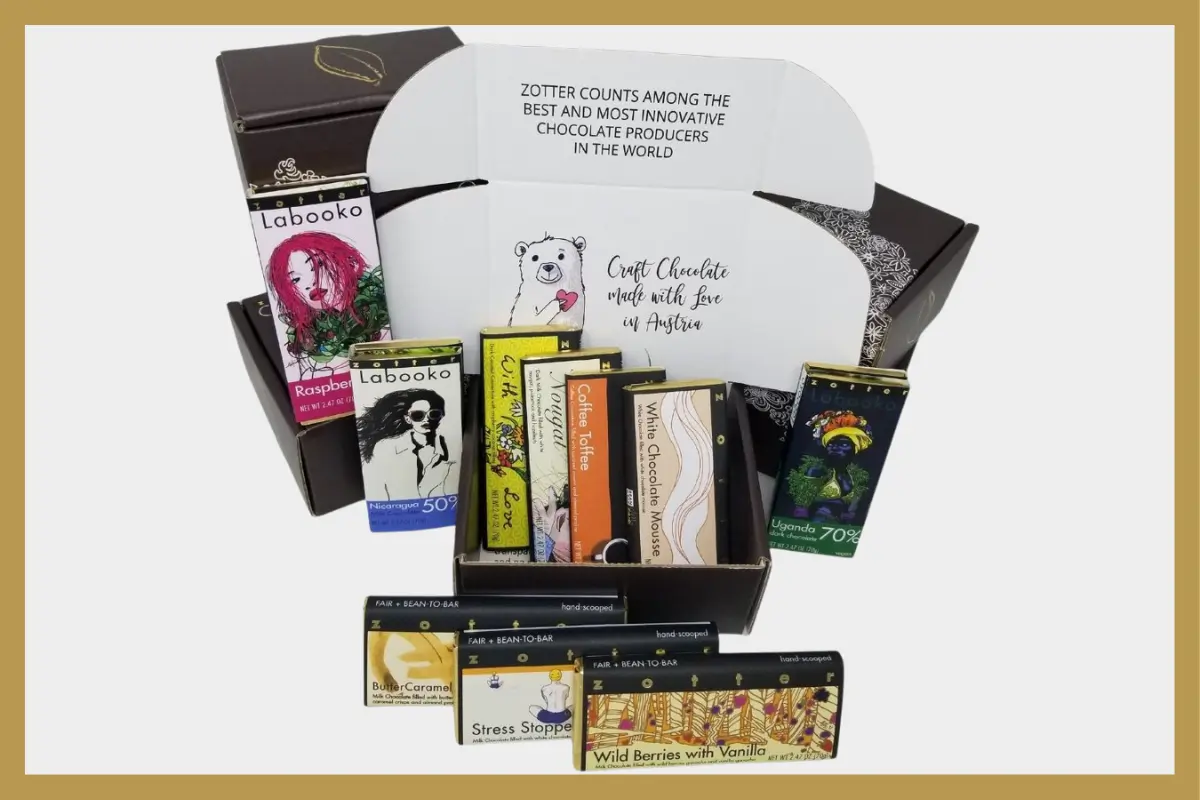
Zotter’s broad, imaginative approach to chocolate makes this kind of seasonal exploration especially satisfying: one tasting can move from classic holiday comfort to a flavor combination that is wonderfully unconventional.
How to choose seasonal chocolate with confidence
Start with the occasion, then choose the level of adventure. For a dinner host or a colleague, familiar seasonal flavors with a premium twist are usually a confident choice: orange with dark chocolate, hazelnut praline, raspberry, caramel, or warming spice. For a devoted food lover, a more daring combination involving herbs, savory notes, unusual fruits, or a high-cacao origin can become the gift they talk about afterward.
Consider dietary needs early. Vegan chocolate is no longer limited to plain dark bars, and organic ingredients can be part of a truly indulgent experience rather than a separate category. If you are buying for a group, an assortment creates room for different preferences and turns dessert into a shared tasting.
Finally, do not save seasonal chocolate only for the biggest holidays. A spring birthday, a late-summer picnic, an autumn weekend away, or a quiet December night all deserve a flavor chosen with care. Pick one bar that feels comfortably familiar and one that makes you curious. That is often where the most memorable bite begins.