
A packet of hot cocoa can be comforting. But when the weather calls for something more decadent – something with the aroma, texture, and lingering finish of an actual chocolate bar – the better question is: what is drinking chocolate? It is chocolate in its most soothing form: real, finely shaved or ground chocolate melted into hot milk or a plant-based alternative.
The result is not merely sweet brown liquid. A well-made cup can be silky, full-bodied, and expressive of its cacao, just like a fine bar. Depending on the chocolate you choose, it may taste dark and roasted, bright with fruit notes, deeply caramelized, gently spiced, or startlingly intense. This is chocolate for slowing down.
What Is Drinking Chocolate, Exactly?
Drinking chocolate is a hot beverage made by melting real chocolate into a liquid. The chocolate may come as shavings, flakes, drops, a finely grated bar, or a prepared drinking-chocolate blend. Unlike many instant cocoa mixes, it contains cocoa butter as well as cocoa solids, which gives the drink its characteristic richness and velvety weight.
Traditionally, drinking chocolate has roots in the long history of cacao beverages, from Mesoamerican preparations that were often bitter, spiced, and frothed to European styles enriched with sugar and milk. Modern versions span a wide range. A thick, almost spoonable European cup and a lighter, bar-based American-style hot chocolate both belong to the family.
The defining idea is simple: the flavor begins with chocolate, not just cocoa powder. That distinction changes nearly everything, from mouthfeel to how the finish develops after each sip.
Drinking Chocolate vs. Hot Cocoa
These names are often used interchangeably, and there is no universal rule that every package follows. Still, the ingredients provide a useful guide.
Hot cocoa is usually made with cocoa powder, sugar, and sometimes powdered milk, starches, or flavorings. Cocoa powder is produced after much of the cocoa butter has been pressed out of cacao. It can make a lovely, lighter drink and is wonderfully practical for a quick weekday mug.
Drinking chocolate is generally made with whole chocolate, meaning cocoa solids and cocoa butter remain together. The cocoa butter melts into the milk, creating a more luxurious texture and a rounder, longer-lasting chocolate flavor. It can also be less sweet than standard hot cocoa, especially when made with a dark chocolate that lets cacao take center stage.
Neither style is automatically superior. Hot cocoa is often faster, lighter, and easier to mix with water. Drinking chocolate asks for a few more minutes and rewards them with depth. If you want the experience of tasting a chocolate bar in liquid form, choose drinking chocolate.
Why the Chocolate Itself Matters
A drinking chocolate is only as compelling as the chocolate that goes into it. Milk and heat can soften certain details, but they do not hide poor ingredients. They can just as easily amplify waxy texture, excess sugar, or a flat, one-note cocoa taste.
Start with chocolate you would genuinely enjoy eating. Bean-to-bar chocolate made with thoughtfully sourced cacao gives a cup more personality, while organic and fair trade ingredients add meaningful consideration to the pleasure. Cacao origin, roast, sugar level, and inclusions all influence the final drink.
A dark chocolate with a high cacao percentage tends to produce a more intense, less sweet cup. It may bring notes of dried fruit, coffee, nuts, or spice, depending on the cacao and recipe. Milk chocolate creates a softer, creamier result with more caramel and dairy character. White chocolate technically contains cocoa butter but no cocoa solids, so it makes a sweet, buttery, vanilla-friendly drink rather than a traditionally chocolatey one.
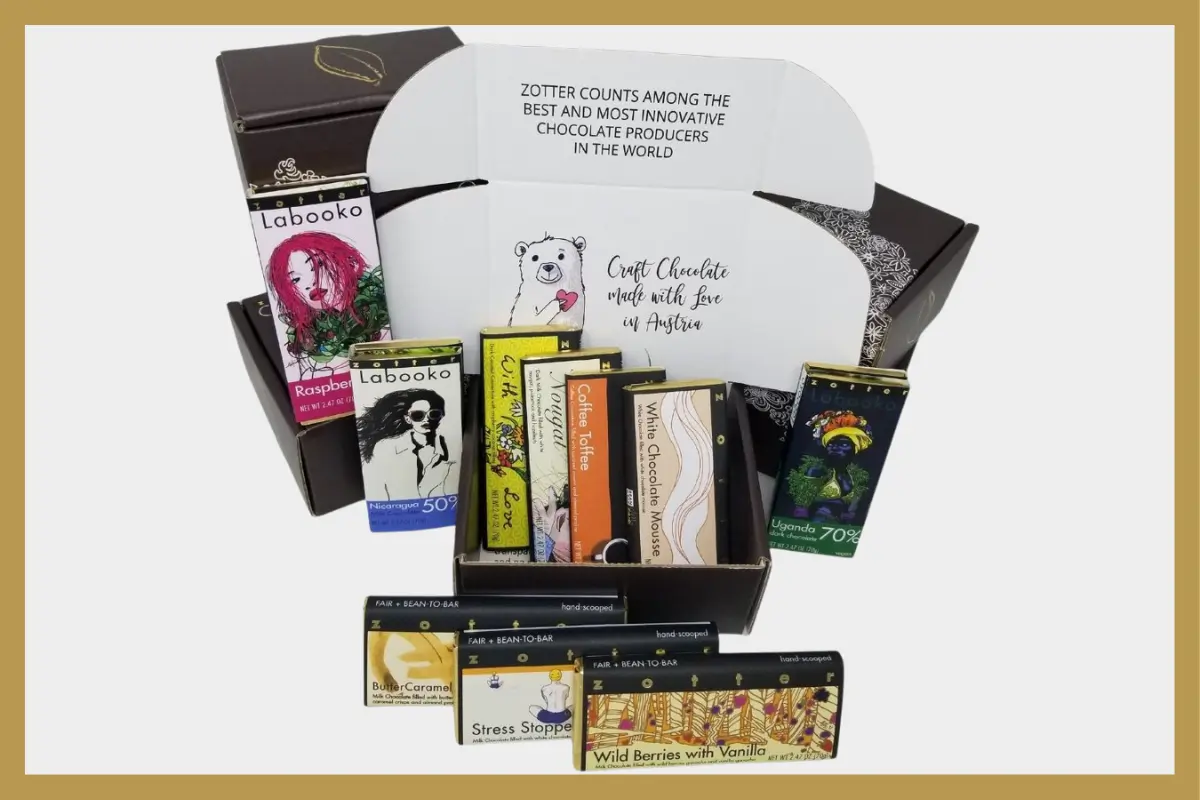
This is also where an adventurous chocolate collection becomes especially useful. A bar with orange, cinnamon, chili, coffee, or a touch of salt can turn a familiar cold-weather ritual into an entirely different tasting experience. Zotter’s playful, carefully crafted flavor approach makes that kind of exploration feel especially at home in a mug.
How to Make Drinking Chocolate at Home
The best method is wonderfully uncomplicated. For one generous serving, use about 1 to 1.5 ounces of finely chopped chocolate for 6 to 8 ounces of milk. Adjust from there. More chocolate creates a thicker, more dramatic cup; more milk makes it lighter and easier to sip.
Warm the milk slowly in a small saucepan until steaming but not boiling. Boiling can scorch dairy milk and may make plant milks separate. Remove the pan from direct heat, add the chopped chocolate, and whisk patiently until smooth. Return it to very low heat only if needed, stirring until the drink is hot and glossy.
A few choices shape the character of the cup:
- Whole milk delivers the most classic, rounded texture, while oat milk adds a mellow cereal-like sweetness and impressive creaminess.
- Almond milk can work beautifully with nutty or fruit-forward dark chocolate, though it produces a lighter body.
- A pinch of sea salt heightens chocolate flavor without making the drink salty.
- Cinnamon, cardamom, vanilla, espresso, or a restrained touch of chili can complement chocolate, but they should not cover up excellent cacao.
For an exceptionally smooth finish, blend the prepared drink for a few seconds with an immersion blender. This creates a light foam and helps unite the chocolate and milk. Serve in a smaller cup than you might use for coffee. Drinking chocolate is rich by design, and a modest portion gives its flavor room to unfold.
A Note on Texture
If your cup seems grainy, the chocolate may not be fully melted or the heat may have been too aggressive. Keep the temperature gentle and chop the chocolate finely. If it feels too thick, whisk in another splash of warm milk. If it tastes overly sweet, use a darker chocolate next time rather than trying to correct it with extra salt or spice.
Thickness is a matter of preference and tradition. Some people want a pourable drink to enjoy beside breakfast; others want a dense, after-dinner pour that borders on dessert. There is no need to choose one forever. Make the cup that suits the moment.
Choosing a Drinking Chocolate Worth Savoring
Read the ingredient list before looking at the front-of-package promises. Real chocolate, cacao mass, cocoa butter, sugar, and milk powder when appropriate are straightforward signals. A shorter list is not always better, especially for a creatively flavored chocolate, but the ingredients should make sense and support the flavor story.
For a classic dark cup, look for chocolate in the 60% to 75% cacao range. This range usually offers enough intensity to taste unmistakably grown-up while still melting into a balanced drink. Above 80%, chocolate can be magnificent, but it may need a little more sweetness or a creamier milk to avoid a sharp, drying finish.
For gifts, drinking chocolate is an unusually thoughtful choice because it feels both indulgent and personal. Pair a dark option with a milk chocolate option, or include several flavor directions for a tasting night. It gives the recipient an occasion, not just a product: warm the milk, choose a cup, and take a few unhurried minutes for something exquisite.
Make It a Small Ritual
Drinking chocolate does not need whipped cream, marshmallows, or a crowded topping bar to feel celebratory. Those additions can be delightful, of course, but a fine chocolate deserves one first sip on its own. Notice whether it begins bright or roasted, whether it feels creamy or clean, and what stays on the palate after the cup is empty.
Then make it yours. Add a crisp butter cookie, pour it after dinner instead of dessert, or prepare two chocolates side by side and compare them with someone you like. The most satisfying cup is not necessarily the thickest or darkest. It is the one made with chocolate you are curious to taste, prepared with care, and enjoyed before it has a chance to go cold.