

Some Advent calendars are little more than decorative cardboard filled with forgettable candy. Others turn December into a month-long tasting ritual. If you’re looking for the best advent chocolate calendar, the difference comes down to more than packaging. It shows up in the cacao, the sourcing, the freshness, the craftsmanship, and whether each day feels like a genuine treat instead of a countdown filler.
For premium chocolate buyers, that distinction matters. An Advent calendar is not just a seasonal novelty. It is a gift, a daily experience, and for many households, a holiday tradition that deserves better than waxy milk chocolate shaped like stars. The best versions feel curated. They offer anticipation, but they also deliver on taste.
What makes the best advent chocolate calendar?
A great calendar starts with chocolate worth eating on its own. That sounds obvious, but it is where many products fall short. During the holidays, plenty of brands put most of their effort into festive graphics and very little into what sits behind each door. If the chocolate would not impress you as a standalone bar or bonbon, the calendar is doing half the job.
Ingredient quality is the first filter. Look for real cocoa butter, thoughtfully sourced cacao, and a short, readable ingredient list. Organic and fair trade certifications can be especially meaningful here, not as marketing decoration, but as signs that the chocolate is tied to a more responsible supply chain. For many shoppers, the best Advent choice is one that satisfies both palate and principles.
Craft matters too. Bean-to-bar makers and artisan chocolate houses tend to approach an Advent calendar differently from mass-market candy brands. Instead of producing one generic chocolate shape twenty-four times, they may treat the format as a tasting journey. You get variation in cacao percentage, fillings, textures, or regional character. That makes each day feel intentional.
Then there is balance. A calendar can be exquisitely made and still miss the mark if the assortment feels monotonous. Twenty-four doors of extremely dark chocolate may thrill a serious purist, but it will not suit every recipient. The best advent chocolate calendar for one person may be a poor choice for another. It depends on whether you are shopping for a devoted dark chocolate collector, a family with mixed preferences, or someone who wants playful flavors as much as classic ones.
Why cheap calendars disappoint so quickly
The problem with low-end Advent calendars is not simply that they are inexpensive. It is that they are often designed around novelty first and flavor last. Thin chocolate, high sugar, low cocoa content, and vague flavor character can make the whole experience feel flat by day three.
This becomes especially noticeable when the calendar is meant as a gift. Premium shoppers are not only buying chocolate. They are buying a feeling of care, discernment, and discovery. A beautifully made Advent calendar signals that the giver chose something memorable. A generic one usually signals that it was grabbed in a rush between wrapping paper and batteries.
Price, of course, is not meaningless. A luxury Advent calendar costs more because better cacao, ethical sourcing, smaller-scale production, and more ambitious flavor work cost more. But there is still a line between premium and overpriced. If the calendar commands a high-end price, the chocolate should justify it with complexity, freshness, design, and a sense of occasion.
How to choose the right calendar for the person receiving it
The best calendar is the one that matches the recipient’s taste with surprising accuracy. For a classic chocolate lover, elegance usually wins. Think smooth milk chocolate, refined dark chocolate, pralines, nougat, or subtle fruit notes. For a more adventurous palate, a calendar with creative fillings, layered textures, and unexpected flavor combinations feels far more exciting.
This is where artisan makers have an advantage. They can treat Advent as a curated tasting flight instead of a repetitive candy format. One day might lean nutty and creamy, another bright and fruity, another deep and bittersweet. That range keeps the calendar from becoming decorative clutter with sugar inside.
Dietary preferences also deserve more attention than they usually get. Vegan chocolate buyers, for example, have often been underserved in holiday formats, even though premium dairy-free chocolate has become far more sophisticated. The same goes for people who care deeply about organic ingredients or transparent sourcing. The best Advent purchase should feel aligned with how the recipient already shops and eats, not like a compromise made for the season.
For gifting, presentation is part of the experience
Holiday chocolate lives in the space between indulgence and ceremony. That means design matters. A premium Advent calendar should feel beautiful in the hand, not just photogenic from across the room. The structure should open cleanly, protect the chocolate well, and hold up through nearly a month of daily use.
Packaging should also match the tone of the chocolate inside. If the design promises luxury but the contents taste ordinary, the effect is disappointing. When the packaging and the craftsmanship align, the whole experience feels elevated. That is often what separates a truly gift-worthy calendar from one that is simply seasonal.
Signs you’re buying a premium Advent calendar
The easiest clue is brand philosophy. Chocolate makers who already take sourcing, craftsmanship, and flavor seriously tend to build stronger seasonal products. If a company is known for bean-to-bar production, inventive recipes, hand-crafted detail, or ethical cocoa partnerships, its Advent offering is more likely to feel substantial.
Read the assortment description if one is available. Does it mention origins, fillings, flavor profiles, or production methods? Or does it stay vague and rely on holiday imagery to do all the selling? Specificity usually signals confidence.
It is also worth checking whether the calendar offers true variety or simply different shapes of the same chocolate. Variety does not always mean fillings. It can mean a progression of cacao intensities, regional flavor notes, nut textures, spice accents, or a thoughtful mix of dark, milk, and dairy-free options. The point is not chaos. The point is discovery.
Ethics and flavor belong in the same conversation
For conscious chocolate buyers, sourcing is not a side issue. It shapes quality. Better cocoa relationships often support better beans, and better beans create more expressive chocolate. When a calendar is made with organic and fair trade ingredients or by a maker deeply invested in transparent sourcing, that often translates into cleaner flavor and a more trustworthy product.
There is also a pleasure in giving chocolate that reflects your values. A holiday gift can be indulgent and still ethically grounded. In the premium category, that combination should be expected, not treated as a bonus.
Should you choose classic or adventurous flavors?
This is the most useful question to ask before buying. A classic calendar is usually the safer gift. It pleases a wider range of tastes and suits recipients who want refinement over surprise. An adventurous calendar is better for the person who talks about origin, texture, spice, or unusual pairings and genuinely enjoys being challenged a little.
Neither approach is automatically better. The best advent chocolate calendar for a traditional holiday table may not be the best one for a foodie who wants every door to reveal something unexpected. Premium chocolate works best when it meets the moment. Sometimes that means velvety hazelnut praline. Sometimes it means a bold, high-cacao bite with fruit, spice, or a whisper of salt.
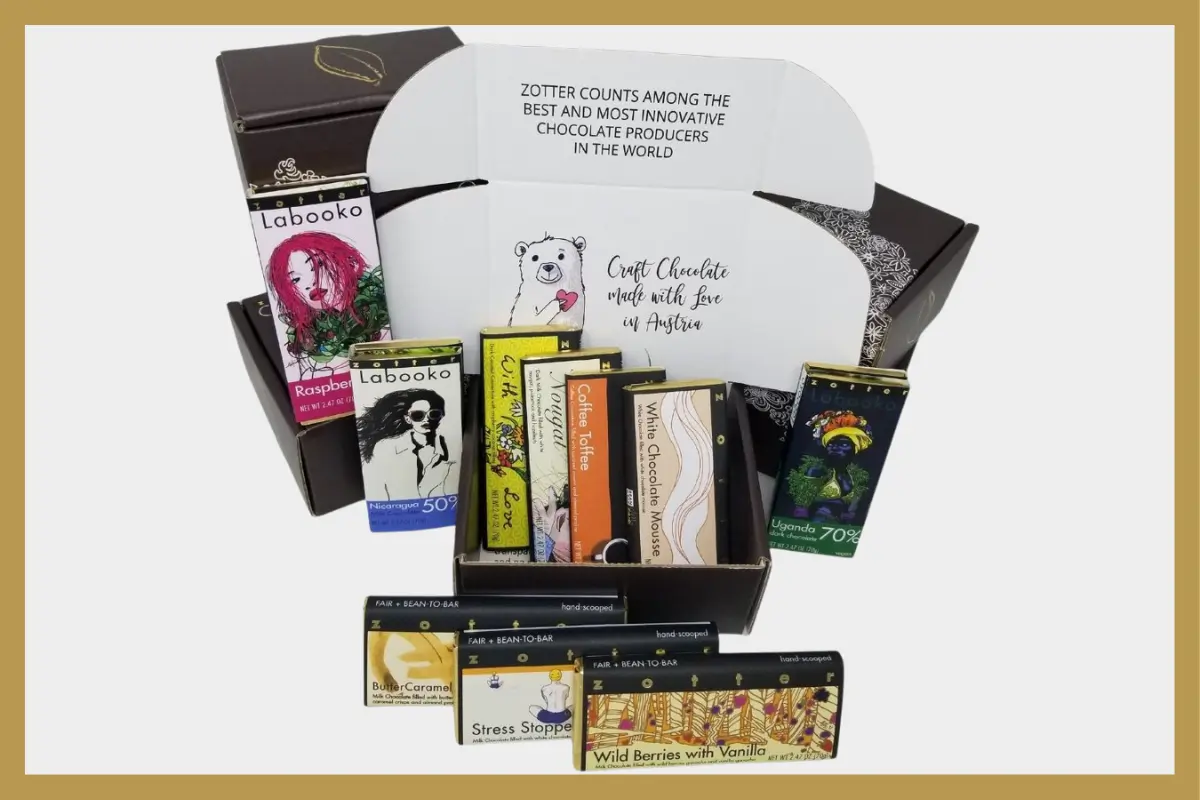
A brand like Zotter has long understood that luxury does not need to be predictable. For shoppers who want Advent to feel imaginative as well as exquisite, that philosophy can make the season far more delicious.
When to buy and what to watch for
The best calendars tend to sell early, especially those from artisan and specialty chocolate makers. If you wait until late November or December, selection narrows fast. Premium seasonal releases are often limited, and the most compelling designs rarely linger.
Storage matters too. Chocolate is sensitive, and Advent calendars can spend weeks sitting in warm delivery routes, overheated kitchens, or sunny windowsills. Buying from a chocolate specialist with strong handling standards gives you more confidence that the product will arrive in proper condition and taste as it should.
If you are ordering for gifting, think about the emotional timing as much as the shipping timing. The ideal calendar arrives early enough to become part of the household’s December rhythm, not after several doors should already have been opened.
The real test of a great Advent calendar
By the middle of the month, the novelty wears off. That is when quality has to carry the experience. The real test is simple: does the person opening it still feel a small spark of anticipation every day?
That is what the best Advent calendars get right. They transform chocolate from a casual sweet into a month of quiet pleasure, one square, praline, or miniature masterpiece at a time. Choose one with substance, character, and integrity, and December instantly tastes more like the holiday season should.